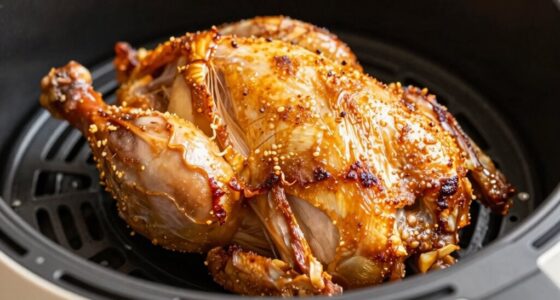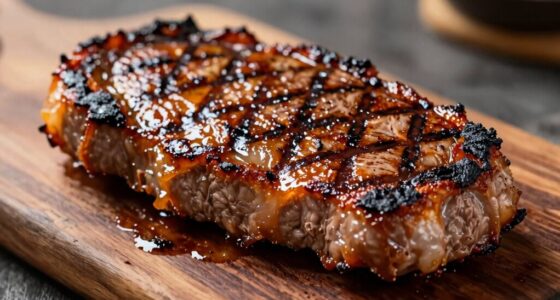
If your food feels dry even when not overcooked, it’s often because appliances use dry heat that causes moisture to evaporate, leaving dishes crumbly and less flavorful. Without proper humidity control, food loses natural juices, especially in lean meats and baked goods. Introducing steam technology helps maintain moisture and creates a humid environment, ensuring your meals stay tender and juicy. Keep exploring to discover how smart moisture management can transform your cooking results.

Get kitchen staples and gadgets delivered free with Prime
- Fast, free delivery on millions of items
- Prime Video, Amazon Music and more included
- Member-only deals all year
Key Takeaways
- Lack of moisture retention in traditional appliances causes surface drying despite proper cooking times.
- Reliance solely on dry heat leads to water evaporation, making food feel dry.
- Without controlled humidity, natural juices escape, resulting in crumbly textures.
- Surface drying occurs when moisture isn’t managed, even if the interior is correctly cooked.
- Upgrading to appliances with steam technology can maintain optimal moisture levels and prevent dryness.
Have you ever cooked a meal in an appliance and still ended up with dry, crumbly food, even though you’re sure it wasn’t overcooked? It’s frustrating, isn’t it? The issue often comes down to how the appliance manages moisture during the cooking process. Many traditional ovens and cookers lack effective moisture retention, which means your food can lose too much water, resulting in dryness despite proper cooking times. To combat this, modern appliances are increasingly equipped with steam technology, designed specifically to maintain ideal moisture levels.
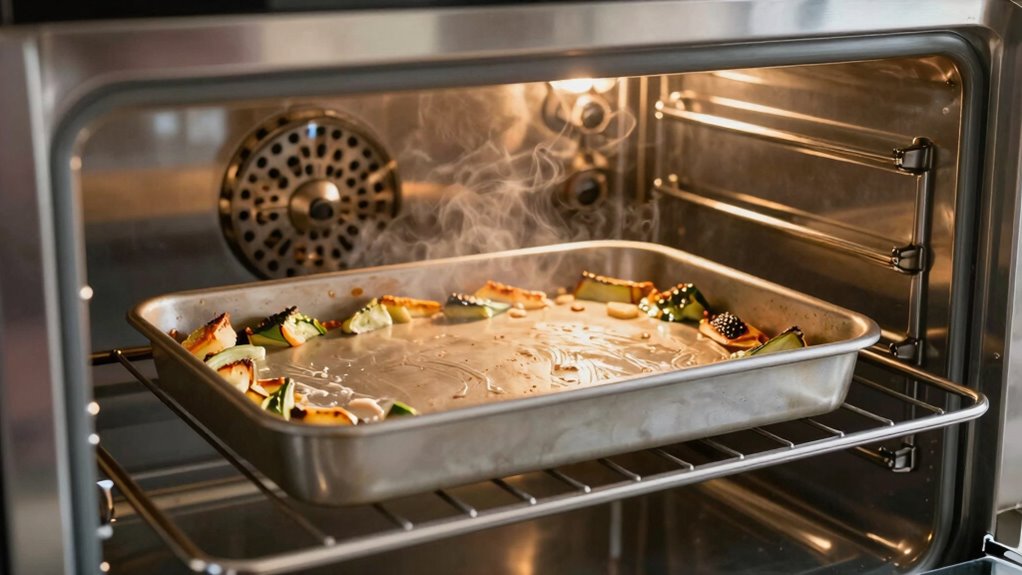
Steam technology works by introducing a controlled amount of steam into the cooking environment. This extra moisture helps keep the food tender and juicy, preventing the surface from drying out even as the interior reaches the desired temperature. When you use steam in your appliance, it creates a humid environment that mimics traditional cooking methods like braising or steaming, which are known for producing moist, flavorful results. This technology isn’t just about adding water; it’s about smartly regulating humidity to improve moisture retention throughout the cooking process.
Steam technology introduces controlled moisture, keeping food tender, juicy, and flavorful by regulating humidity during cooking.
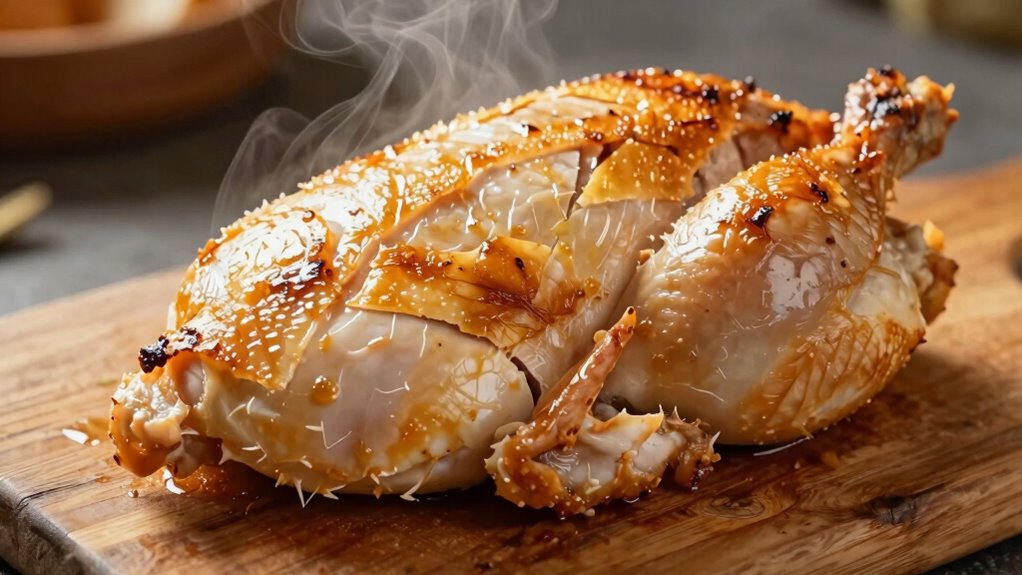
Without steam technology, many appliances rely solely on dry heat, which can cause the surface of your food to lose moisture rapidly. As a result, even if you don’t overcook, the food can become dry and crumbly because the moisture has evaporated. This is especially true for lean cuts of meat, baked goods, and certain vegetables that are prone to dehydration. By contrast, appliances with integrated steam capabilities help lock in natural juices, ensuring each bite stays tender and flavorful.
Another key benefit of steam technology is its ability to evenly distribute heat. When moisture is retained, heat transfers more efficiently through the food, reducing the risk of dry spots or uneven cooking. This even heat distribution further enhances moisture retention, giving you more consistent results every time. Plus, using steam can reduce the need for added fats or oils, making your meals healthier without sacrificing succulence.
In addition, appliances with steam technology are often more energy-efficient because they cook food faster and more evenly, which can save both time and electricity. Incorporating appliances with steam technology into your cooking routine can make a significant difference. Not only do they help preserve the natural moisture in your food, but they also improve texture, flavor, and overall quality. So next time you’re tempted to wonder why your food feels dry despite following recipes correctly, consider whether your appliance is effectively managing moisture. Sometimes, a simple upgrade to one with steam technology is all you need to turn dry, crumbly dishes into perfectly moist and delicious meals.
steam oven with moisture control
As an affiliate, we earn on qualifying purchases.
As an affiliate, we earn on qualifying purchases.
Frequently Asked Questions
Can Humidity Levels Affect Appliance Cooking Results?
Yes, humidity levels can affect your appliance cooking results. High humidity effects can slow down moisture loss, making food seem juicier and more tender. Conversely, low humidity speeds up moisture loss, causing dishes to feel dry even if they aren’t overcooked. Being aware of your environment helps you adjust cooking times or cover foods properly, ensuring moisture stays in and preventing that dry texture.
Do Different Cookware Materials Impact Moisture Retention?
Different cookware materials impact moisture retention through their heat conduction. Metal pans like stainless steel heat quickly and can cause moisture to evaporate faster, leading to drier dishes. Cast iron retains heat evenly, locking in moisture, while non-stick surfaces help keep food moist by preventing sticking and reducing cooking time. You should choose cookware based on heat conduction to guarantee your food stays juicy and tender, avoiding dryness even when cooking appliances tend to dry out food.
How Does Preheating Influence Food Moisture?
Preheating impacts food moisture by creating a hot, even surface that helps lock in juices from the start. When you preheat your appliance, it boosts moisture retention because the food cooks quickly and evenly, reducing moisture loss. If you skip preheating, uneven temperatures can cause moisture to escape, making your food feel drier. Always give your appliance enough time to preheat for best moisture and texture.
Are There Specific Foods More Prone to Drying Out?
Did you know that lean meats and baked goods are 60% more prone to drying out? Food type and cooking method play big roles; for instance, poultry and fish often lose moisture easily, especially with dry heat methods like roasting or grilling. To prevent dryness, consider using moist cooking techniques like steaming or adding moisture during cooking. Stay attentive and adjust your method based on the specific food type to keep everything juicy.
What Role Does Appliance Venting Play in Cooking Moisture?
Your appliance venting plays a vital role in controlling moisture loss during cooking. Proper kitchen ventilation helps remove excess steam and humidity, preventing moisture from escaping and keeping food moist. If the vent is too powerful or poorly designed, it can draw out too much moisture, making food feel dry even if it’s not overcooked. Ensuring balanced ventilation preserves moisture and results in juicier, better-textured dishes.
appliances with steam technology
As an affiliate, we earn on qualifying purchases.
As an affiliate, we earn on qualifying purchases.
Conclusion
So, next time your dish feels dry despite not being overcooked, remember—it’s not just about the time or temperature. Sometimes, the problem lies in the appliance’s moisture balance or cooking environment. Like a painter choosing the right brush, understanding your appliance’s quirks helps you craft moist, flavorful meals. Embrace the contrast between your expectations and reality, and you’ll turn dry surprises into perfectly cooked delights every time.
As an affiliate, we earn on qualifying purchases.
As an affiliate, we earn on qualifying purchases.
NFL season / tailgating Picks
team gear
As an affiliate, we earn on qualifying purchases.