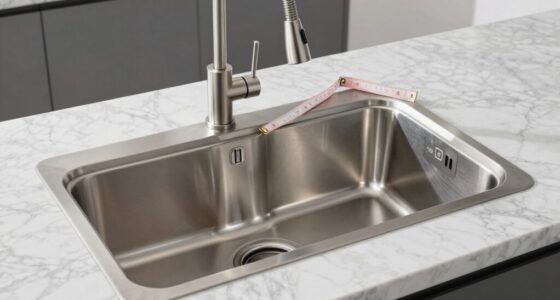

Fancy features on kitchen sinks and faucets often promise convenience but can add extra cost, complexity, and maintenance. Touchless faucets prevent cross-contamination, but if your water quality is good, they might be unnecessary. Built-in soap dispensers or cutting boards look stylish but can be harder to clean. Focus on core functions like durability and ease of use, and skip extras that don’t genuinely improve your daily tasks. If you want to uncover which features are worth it, keep exploring.

Get kitchen staples and gadgets delivered free — and shop member deals
- Fast, free delivery on millions of items
- Access to Prime Big Deal Days deals on October 6–7
- Prime Video, Amazon Music and more included
Key Takeaways
- High-tech features like touchless activation prevent cross-contamination but may add cost and require electrical setup.
- Built-in accessories such as soap dispensers and cutting boards improve convenience but complicate cleaning.
- Advanced features like voice control offer luxury but are often unnecessary for everyday functionality.
- Extra coatings or materials resist soap buildup, reducing cleaning effort and extending faucet lifespan.
- Prioritize durable, easy-to-maintain basics over fancy features to save money and simplify kitchen upkeep.
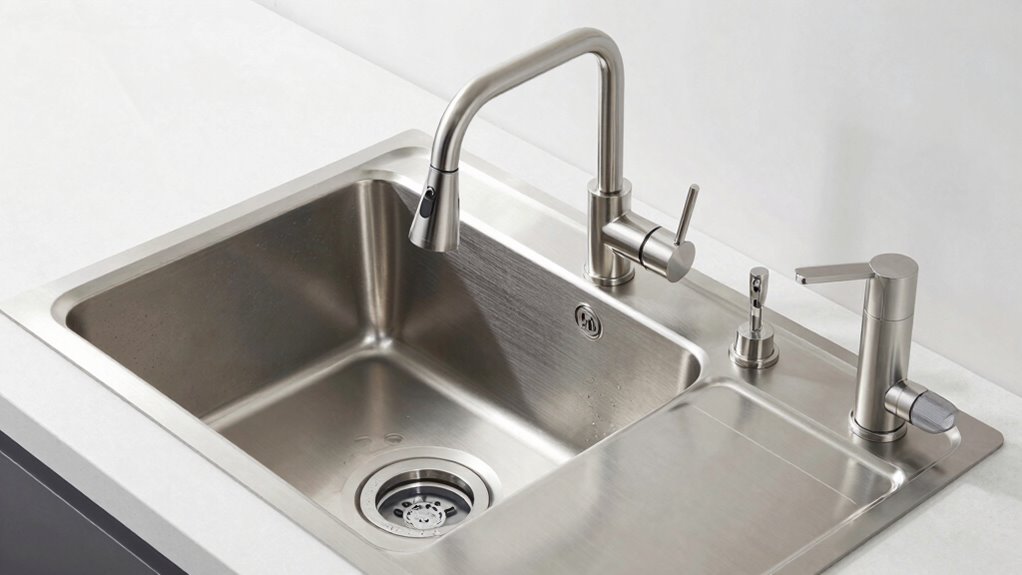
When choosing a kitchen sink and faucet, understanding their key features can make a significant difference in your daily routines. Some fancy features promise convenience, but not all are essential. For example, many modern faucets come with multiple spray settings, which can be handy for rinsing dishes or cleaning the sink. However, if you mostly do simple tasks, a basic single-stream faucet might suffice. Pay attention to dish soap compatibility, especially if you prefer using specific types of soap. Some faucets have special coatings or materials that resist soap buildup or make cleaning easier, saving you time and effort.
Water filtration options are another feature worth considering. If you’re concerned about water quality, look for faucets with built-in filtration systems. These can remove impurities, improve taste, and eliminate the need for separate pitchers or filters. However, keep in mind that these filters require regular maintenance and replacement, so factor that into your decision. If your area has excellent tap water quality, you might skip the water filtration feature altogether and opt for a more straightforward model, saving money and reducing maintenance. Additionally, researching the long-term maintenance involved with various features can help you make more informed choices. Knowing the cost implications of additional features can also help you budget appropriately.
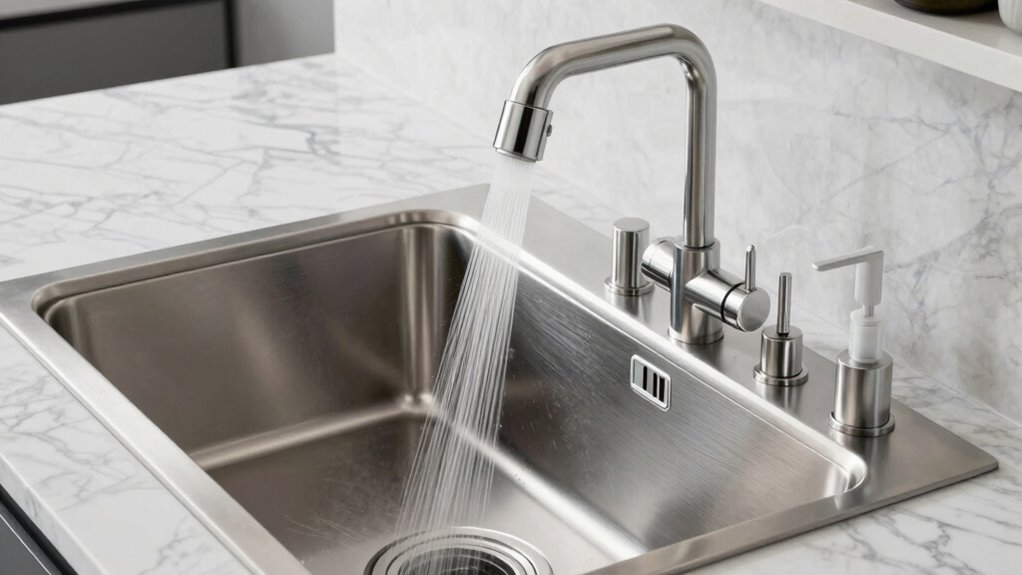
Many sinks and faucets come with high-tech features that sound impressive but may not be necessary. Touchless or sensor-activated faucets, for example, can prevent cross-contamination and reduce water waste, which is great for hygiene and eco-friendliness. But they often come at a higher price and may require electrical connections or batteries. If you’re not particularly concerned about these factors, a simple manual faucet will do just fine. Similarly, some sinks boast extra accessories like built-in soap dispensers, cutting boards, or colanders. While these add convenience, they can also complicate cleaning and maintenance. Consider whether these extras genuinely improve your workflow or just add clutter. Exploring innovative kitchen features can help you identify options that truly enhance efficiency without unnecessary complexity. Additionally, researching cost-effective solutions can help you find features that offer value without breaking the bank.
Other features, such as voice control or app connectivity, are more of a luxury than a necessity. They’re cool but not essential for everyday use. If you’re on a budget or want to keep things straightforward, stick to the basics. Focus on durability, ease of cleaning, and the core functionalities that fit your lifestyle. Moreover, understanding the true value of features can help you prioritize what matters most. Fancy features can enhance your kitchen experience, but they shouldn’t overshadow practicality. By understanding which features truly add value to your routines—and which ones you can skip—you’ll make smarter choices that save you money and hassle in the long run.
basic single-handle kitchen faucet
As an affiliate, we earn on qualifying purchases.
As an affiliate, we earn on qualifying purchases.
Frequently Asked Questions
How Do I Clean and Maintain Advanced Sink Features?
To clean and maintain advanced sink features, regularly wipe the soap dispenser and touchless sensors with a soft, damp cloth to prevent buildup. Check the soap dispenser functionality to guarantee smooth operation, refilling as needed. For touchless activation benefits, keep sensors free from dirt and grime, which can hinder their performance. Avoid harsh chemicals, and occasionally clean the sensors with a gentle, non-abrasive cleaner to keep everything working seamlessly.
Are High-Tech Faucets Energy-Efficient?
High-tech faucets are generally energy-efficient, saving you money and water. For example, I installed a smart faucet that adjusts water flow based on use, reducing energy consumption and increasing water efficiency. These faucets often feature sensor activation, which minimizes unnecessary water use. However, check the product specifications to verify it’s ENERGY STAR rated, so you maximize energy savings while enjoying modern convenience.
Do Fancy Features Increase Faucet Durability?
Fancy features can enhance faucet durability, especially with smart technology that monitors and adjusts water flow, reducing wear and tear. These innovations often promote water conservation, preventing unnecessary usage that can damage components over time. While some high-tech features might add complexity, quality materials and smart design generally guarantee your faucet lasts longer. So, investing in these features can be beneficial, provided you choose reputable brands focused on durability and efficiency.
Can I Install Smart Faucets Myself?
Installing a smart faucet is like adding a high-tech gem to your kitchen crown. With smart installation, you can confidently tackle this project if you have basic plumbing skills. Follow DIY tips like turning off water supply, reading instructions carefully, and using the right tools. While it’s doable, don’t hesitate to call a pro if you hit snags—your kitchen’s new centerpiece deserves a flawless setup.
Are Water-Saving Options Standard in Luxury Sinks?
Luxury sinks often include water-saving options as standard features, emphasizing water conservation. Brands focused on luxury branding recognize the importance of eco-friendly design, so they integrate efficient faucets and aerators without extra cost. You’ll find that many high-end models prioritize water conservation, making it easier for you to reduce water usage without sacrificing style or performance. These features are becoming a common part of luxury kitchen fixtures, aligning elegance with eco-consciousness.
As an affiliate, we earn on qualifying purchases.
Conclusion
Choosing the right kitchen sink and faucet is like steering a treasure map—knowing which features truly shine can save you from chasing shiny distractions. Focus on what makes your daily routine smoother and more enjoyable, rather than getting lost in fancy bells and whistles. By understanding what’s worth your investment, you’ll craft a kitchen space that’s both functional and fabulous—your personal oasis where every detail works in harmony, like a well-orchestrated symphony.
As an affiliate, we earn on qualifying purchases.
kitchen sink with built-in soap dispenser
As an affiliate, we earn on qualifying purchases.
As an affiliate, we earn on qualifying purchases.
NFL season / tailgating Picks
team gear
As an affiliate, we earn on qualifying purchases.