Fancy features on dough mixers, like touchscreens, Bluetooth, or multiple pre-set programs, often sound impressive but aren’t essential for most home bakers. Manual controls give you quick adjustments and durability, while digital options can suggest settings but have a learning curve and higher maintenance. If you keep exploring, you’ll discover which features truly enhance your baking and which ones you can comfortably skip.

Get kitchen staples and gadgets delivered free — and shop member deals
- Fast, free delivery on millions of items
- Access to Prime Big Deal Days deals on October 6–7
- Prime Video, Amazon Music and more included
Key Takeaways
- Fancy features like Bluetooth and touchscreen controls enhance convenience but are not essential for basic dough mixing.
- Pre-programmed settings automate common tasks, saving time but can be skipped if manual control suffices.
- Digital interfaces offer precision and clarity but may increase cost and maintenance compared to manual controls.
- Safety locks and timers are valuable for safety and automation, but manual mixers can perform well without them.
- Choose features based on your baking needs and comfort, as advanced functions are nice-to-have but not critical for good results.
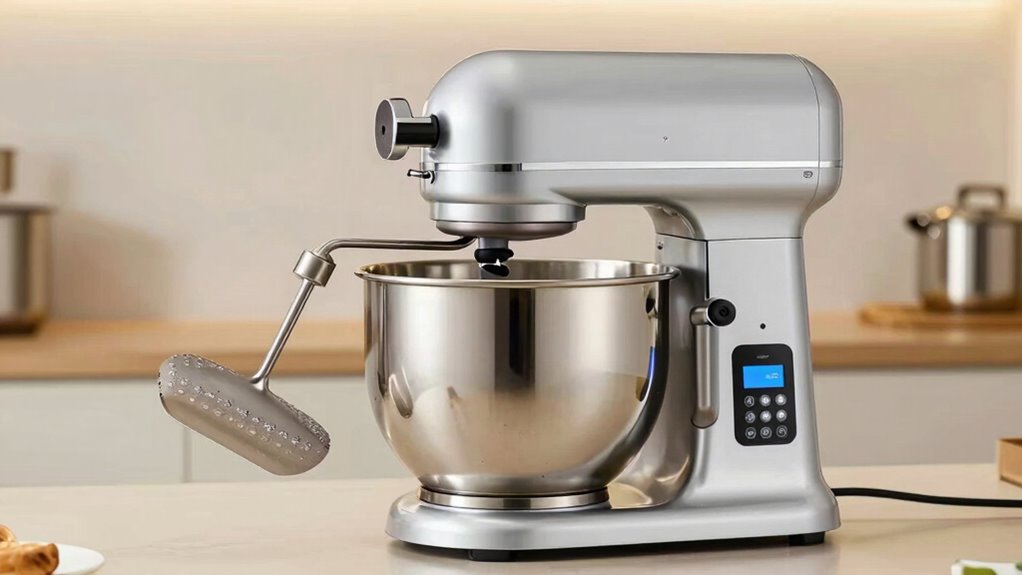
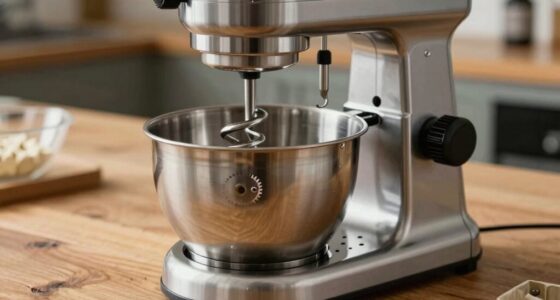
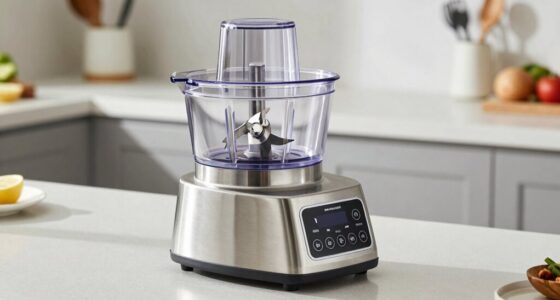
When choosing a dough mixer, understanding its key features can make all the difference in achieving perfect results. One of the first things to think about is how you prefer to control the machine. Some mixers come with manual controls—dials, knobs, or switches—that let you set the speed and timer precisely. These controls give you a tactile feel, allowing you to quickly adjust as you go, which is especially useful if you like a hands-on approach or want to dial in specific settings without fuss. Others feature digital displays, which often include touchscreens or digital readouts. These displays can show you exact speed levels, mixing times, and sometimes even suggest ideal settings based on the ingredients you’re using. If you’re someone who appreciates modern technology or wants to monitor your mixing process more closely, digital displays can be a valuable feature. However, keep in mind that digital controls tend to be more complex and may require a bit of a learning curve, whereas manual controls are straightforward and reliable.
Beyond how you control the mixer, the features that often catch your eye include various pre-programmed settings, timers, and safety locks. Pre-programmed functions can automate common tasks—like kneading dough for bread—so you don’t have to keep adjusting settings manually every time. Timers are handy if you want to set the mixer and walk away, knowing it will stop once the cycle completes. Safety locks ensure the lid or bowl stays securely in place during operation, giving you peace of mind. But, as you evaluate these features, ask yourself: do you really need all of these bells and whistles? Some fancy features, like multiple pre-set programs, may sound appealing but might not be essential if you prefer manual control and simple operation.
Other high-tech options, like Bluetooth connectivity or smartphone apps, are more about convenience than necessity. While they can allow you to start your mixer remotely or monitor its progress, they’re not vital for most home bakers and can add to the cost and complexity. When it comes to digital displays, consider whether the added clarity and precision are worth the potential price increase and possible maintenance. Conversely, manual controls are often more durable and easier to repair if something goes wrong. Instead of being swayed by all the fancy features, focus on what actually enhances your baking experience and fits your comfort level. Some advanced features might be nice to have but aren’t essential for producing perfect dough—so choose the options that genuinely make your baking easier and more enjoyable.
As an affiliate, we earn on qualifying purchases.
Frequently Asked Questions
Do All Dough Mixers Have the Same Power Capacity?
Not all dough mixers have the same power capacity, which directly impacts dough texture and mixing speed. Higher-powered mixers can handle tougher doughs and mix more efficiently, producing a smoother, more consistent result. If you often work with thick, dense dough, look for a mixer with greater wattage. For lighter tasks, lower power models might suffice. Selecting the right power capacity guarantees your mixer meets your baking needs effectively.
Can I Use a Dough Mixer for Non-Dough Recipes?
Like a Swiss Army knife, your dough mixer can serve more than just bread. Yes, you can use it for non-dough recipes, revealing a world of alternative uses and recipe versatility. From whipping cream to mixing batter or kneading meat, its powerful motor and attachments make it a multipurpose tool. Embrace these possibilities to maximize your investment, transforming your mixer into a versatile kitchen wizard.
How Loud Are Commercial-Grade Dough Mixers?
Commercial-grade dough mixers are quite loud, often producing noise levels between 80 to 90 decibels, similar to a lawnmower. If noise bothers you, look into soundproofing options like acoustic panels or enclosures to reduce the sound. Keep in mind, these mixers are built for power, so some noise is inevitable. Using ear protection or placing the mixer in a separate room can also help manage the loudness.
Are There Safety Features to Watch for in Dough Mixers?
Yes, safety features like safety alarms and emergency stops are essential in dough mixers. Safety alarms alert you to issues like overloads or malfunctions, preventing accidents. Emergency stops allow you to quickly shut down the machine if something goes wrong. Look for mixers with these features to guarantee safe operation, especially in busy environments. Prioritizing safety features helps protect you and your staff from potential injuries.
What’s the Typical Lifespan of a High-End Dough Mixer?
Think of a high-end dough mixer as a trusty companion that can last 10-15 years with proper care. Its lifespan depends on usage, especially since the dough texture and mixing speed are put to the test. Regular maintenance guarantees it stays powerful and efficient, so you can keep creating perfect bread and pastry. Invest in quality, and your mixer will reward you with years of reliable service, kneading your culinary dreams into reality.
dough mixer with digital display
As an affiliate, we earn on qualifying purchases.
As an affiliate, we earn on qualifying purchases.
Conclusion
Understanding dough mixer features helps you make smarter choices, saving time and money. Did you know that over 60% of home bakers say they rarely use all the fancy settings their mixers offer? So, skip the bells and whistles you won’t use and focus on the basics that matter. With the right mixer, you’ll enjoy perfectly kneaded dough without the extra expense or complexity. Happy baking!
As an affiliate, we earn on qualifying purchases.
As an affiliate, we earn on qualifying purchases.
NFL season / tailgating Picks
team gear
As an affiliate, we earn on qualifying purchases.