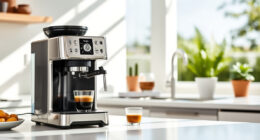
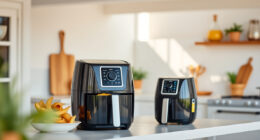
To determine if poor results come from your appliance or the recipe, first check if your equipment is functioning properly by testing its temperature, calibration, and maintenance history. If your appliances are accurate and well-maintained, look at your ingredient quality and technique—are measurements precise, and ingredients fresh? If everything with your tools and skills checks out, the recipe itself might be the issue. Keep exploring to uncover tips that help you diagnose and fix common kitchen problems effectively.
Open a free Amazon Business account
Business pricing, bulk buying and tax-exempt orders.
As an affiliate, we earn on qualifying purchases.
Key Takeaways
- Compare results when using different appliances for the same recipe to identify inconsistencies caused by equipment.
- Verify appliance accuracy with calibration tests, such as using an oven thermometer to check temperature.
- Assess ingredient quality and technique to rule out recipe-related issues before blaming the appliance.
- Observe if similar issues occur across multiple recipes or only with specific appliances.
- Perform routine maintenance and tests on appliances to detect malfunctions affecting cooking outcomes.

When your recipes don’t turn out as expected, it can be frustrating to figure out whether the problem lies with your appliance or the recipe itself. The first step is to ponder the basics: ingredient quality and your user technique. Poor ingredient quality can substantially impact the final result. If your flour is stale or your produce is overripe, no amount of skill or equipment can fully salvage the dish. Always check that your ingredients are fresh, properly stored, and suitable for the recipe. Sometimes, what seems like a cooking mishap is simply a matter of starting with subpar ingredients.
Next, evaluate your user technique. Are you measuring accurately? Over or under-measuring ingredients can throw off the entire balance of a recipe. Pay attention to details like mixing times, cooking temperatures, and timing. For example, overmixing batter can lead to dense baked goods, and cooking at too high or too low a temperature can cause uneven results. If you’re unsure about your technique, review the recipe instructions carefully or watch tutorial videos to improve your skills. Small adjustments often make a big difference, and recognizing where you might be slipping can help improve outcomes. Additionally, understanding proper measurement techniques can significantly enhance your cooking accuracy. Being aware of common appliance issues that affect performance can also help in troubleshooting problems early on.
Once you’ve checked ingredient quality and your technique, turn your attention to the appliance. Sometimes, the issue isn’t you but the equipment. For instance, an oven that runs hot or cold can ruin a batch of cookies, regardless of how perfect your ingredients and technique are. Use an oven thermometer to verify temperatures, and consider calibrating your appliance if necessary. Similarly, malfunctioning mixers, faulty stovetops, or old cookware can cause uneven cooking or burning. Testing your appliances periodically and maintaining them keeps your results consistent, minimizing the chance that the equipment is to blame. Knowing how to properly test appliances can help prevent ongoing issues. Regular maintenance and appliance calibration are key steps in troubleshooting.
If you’ve ruled out ingredient quality and your user technique but still face inconsistent results, then it’s time to reflect whether your appliance might be faulty. Sometimes, appliances wear out or develop issues that affect performance. For example, a blender might not blend thoroughly, or a refrigerator might not maintain proper temperature. Regular maintenance and occasional testing can help identify these problems early, saving you time and frustration in the long run.
In the end, troubleshooting your cooking results involves a systematic approach. Start with the basics—ingredients and technique—and then move on to your appliances. This way, you can confidently identify whether poor results stem from your tools, your skills, or the recipe itself, leading to better dishes and a more enjoyable cooking experience.
oven thermometer for calibration
As an affiliate, we earn on qualifying purchases.
As an affiliate, we earn on qualifying purchases.
Frequently Asked Questions
How Can I Test if My Appliance Is Functioning Correctly?
To test if your appliance works correctly, start by checking the oven temperature with an oven thermometer to verify it heats accurately. For your blender motor, run it with a small amount of water or ingredients to see if it operates smoothly without strange noises or stalls. If the oven’s temperature isn’t accurate or the blender struggles, your appliances may need calibration or repairs before trying your recipes again.
What Common Recipe Mistakes Lead to Poor Results?
You might encounter poor results when your recipe has an imbalance in flavor or uses stale ingredients. Too much salt or spice can overpower the dish, while too little can leave it bland. Make certain your ingredients are fresh; old or dried-out items can compromise taste and texture. Always taste as you cook, adjust seasonings carefully, and use fresh ingredients to achieve the right flavor balance and better results.
Does Ingredient Quality Affect the Outcome More Than the Appliance?
Ingredient quality impacts your results more than the appliance. High-quality ingredients enhance flavor, texture, and overall recipe accuracy, making a noticeable difference. Even with a good appliance, poor-quality ingredients can lead to disappointing outcomes. Focus on selecting fresh, premium ingredients to make certain your recipe turns out well. This way, you’ll maximize the potential of your appliances and achieve consistent, delicious results every time.
How Often Should I Calibrate My Kitchen Appliances?
You should calibrate your kitchen appliances at least once a year to maintain accuracy. Regular kitchen maintenance helps prevent issues, ensuring consistent results. If you notice irregular cooking times, uneven heat, or inconsistent appliance performance, it’s time for appliance troubleshooting and calibration. Keep track of your appliance’s performance, and don’t hesitate to recalibrate more often if you notice discrepancies—this keeps your cooking precise and your appliances in top shape.
Are There Specific Signs Indicating an Appliance Needs Repair?
You can tell an appliance needs repair if it shows signs like strange noises, inconsistent performance, or frequent breakdowns. Investigate whether the appliance’s lifespan is nearing its end or if repair costs are becoming too high. These signs indicate it’s time to seek professional help. Addressing issues early can save you money and extend the appliance’s life, preventing costly replacements down the line.
kitchen appliance maintenance kit
As an affiliate, we earn on qualifying purchases.
As an affiliate, we earn on qualifying purchases.
Conclusion
So, when your dish falls flat, think of it as a puzzle waiting to be solved. Whether the appliance’s quirks or the recipe’s secrets are to blame, trust your instincts and experiment. Like a detective uncovering clues, you’ll learn to read the signs and fine-tune your approach. With patience and curiosity, you’ll transform kitchen mishaps into masterful creations, turning the culinary chaos into a symphony of delicious success.
As an affiliate, we earn on qualifying purchases.
As an affiliate, we earn on qualifying purchases.
NFL season / tailgating Picks
team gear
As an affiliate, we earn on qualifying purchases.