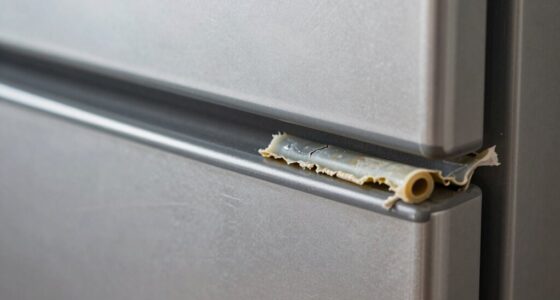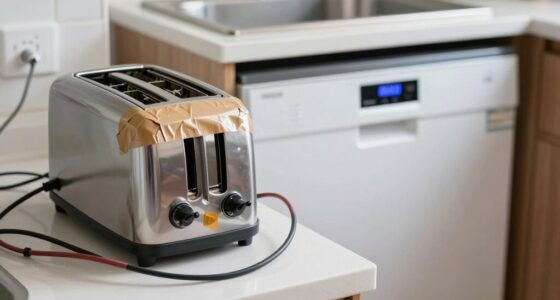

Normal steam leaks are minor, occasional drips that happen during routine maintenance and shouldn’t cause pressure drops or visible vapor clouds. If you notice persistent hissing, growing leaks, sudden pressure drops, or large vapor clouds, those are signs of abnormal leaks needing immediate attention. Regular inspections with specialized tools can help you spot the difference early. Keep an eye on these signs to keep your system safe and efficient—there’s more to uncover if you want to stay ahead.
Listen free for 30 days with Audible
Thousands of audiobooks and originals — cancel anytime.
As an affiliate, we earn on qualifying purchases.
Key Takeaways
- Minor leaks during routine maintenance are normal; persistent or worsening leaks are abnormal signs.
- Sudden pressure drops and visible vapor clouds indicate potential leaks requiring inspection.
- Normal operation exhibits minimal vapor and stable pressure; large or continuous leaks signal issues.
- Regular use of ultrasonic sensors or thermal imaging helps distinguish between normal and abnormal leaks.
- Addressing leaks promptly prevents safety hazards, reduces energy waste, and maintains system integrity.
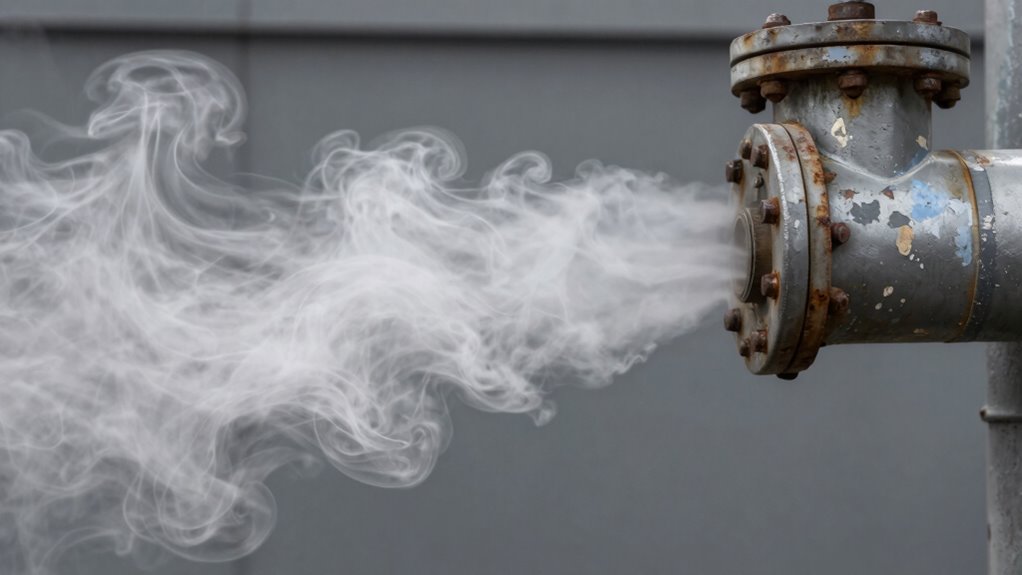
Have you ever wondered what really happens when a steam leak occurs? It’s a situation that can cause concern, especially if you’re responsible for maintaining equipment or guaranteeing safety in a facility. Understanding the signs of a steam leak and knowing what’s normal versus what’s not is vital for effective leak detection and maintaining steam safety. Steam leaks often present as hissing sounds, visible vapor, or even a sudden drop in system pressure. While some minor leaks may seem harmless, it’s essential not to ignore them, as even small leaks can escalate into larger safety hazards or cause energy waste. Spotting a leak early allows you to address it promptly, preventing costly damage and potential safety risks.
Recognize signs of steam leaks early to prevent safety hazards, energy waste, and costly damage.
Detecting a steam leak isn’t always straightforward, but there are specific indicators to watch for. A persistent hissing or whistling noise is a common sign, especially around pipe joints, valves, or fittings. You might also notice a visible vapor cloud or condensation around certain areas, which indicates escaping steam. In some cases, leaks can be subtle, requiring more precise leak detection methods such as ultrasonic sensors or thermal imaging to confirm their presence. It’s important to stay vigilant because small leaks can sometimes go unnoticed but still compromise steam safety. They may cause unintended pressure drops or lead to equipment malfunction, creating unsafe conditions if left unresolved. Recognizing these signs early is crucial for effective leak detection, especially since some leaks can be difficult to identify without specialized tools. Regular maintenance and proactive inspection can help catch leaks before they develop into significant issues. Additionally, understanding the signs of a leak can empower you to act quickly and prevent further damage. Familiarity with steam system operation and its typical behavior can help distinguish between normal fluctuations and problematic leaks.
Normal steam system operation involves some maintenance, but it shouldn’t include frequent or large leaks. If you’re dealing with constant or worsening leaks, it’s a sign that your system needs inspection and repairs. Regular maintenance and proactive leak detection are your best tools for guaranteeing safety and efficiency. You should also be aware of the importance of adhering to safety standards and regulations, which emphasize the proper handling of steam systems and prompt leak repairs. Ignoring leaks or delaying repairs can lead to dangerous situations, including burns, equipment failure, or even explosions in extreme cases. Ensuring compliance with these safety standards helps prevent accidents and extends the lifespan of your equipment.
Ultimately, your goal is to distinguish what’s normal from what’s not within your steam system. Small, manageable leaks might be part of routine wear and tear, but any leak that seems persistent, increases in size, or produces unusual noise or vapor should trigger immediate action. Prioritize steam safety by conducting regular inspections, using leak detection tools, and addressing issues as soon as they’re identified. Doing so not only protects your personnel and equipment but also conserves energy and reduces operational costs. Recognizing these signs early ensures your steam system remains safe, efficient, and reliable.
ultrasonic leak detector for steam systems
As an affiliate, we earn on qualifying purchases.
As an affiliate, we earn on qualifying purchases.
Frequently Asked Questions
How Long Does a Typical Steam Leak Last Before It Worsens?
A typical steam leak can worsen within hours or days if not detected early. When you notice a drop in steam pressure, it’s vital to perform leak detection promptly. Small leaks may last longer but tend to escalate quickly if ignored, causing efficiency loss and safety hazards. Regularly checking for signs of leaks and addressing them immediately helps prevent more significant damage and keeps your system running smoothly.
Can a Steam Leak Cause Long-Term Damage to My Boiler?
A steam leak can definitely cause long-term damage to your boiler if left unchecked. When steam pressure drops due to a leak, your boiler works harder, reducing efficiency and increasing wear over time. Continuous leaks can corrode components, weaken seals, and compromise safety. You should address leaks promptly to protect your boiler’s health, maintain peak efficiency, and prevent costly repairs. Regular maintenance keeps your system running smoothly and extends its lifespan.
Are There Specific Safety Precautions for Detecting Steam Leaks?
Yes, there are safety precautions for detecting steam leaks. Always wear appropriate safety gear like gloves, goggles, and a mask to protect yourself from high-pressure steam and hot surfaces. Use proper leak detection tools, such as ultrasonic detectors or soapy water, to identify leaks safely. Avoid direct contact with steam and make sure the boiler is turned off or depressurized before inspecting. Follow manufacturer instructions and safety protocols to prevent accidents.
What Tools Are Best for Locating a Steam Leak?
You’ll want to grab a thermal camera for leak detection, as it’s surprisingly effective at revealing hidden steam escapes. A soapy water solution also works wonders, bubbling where leaks occur—proof that even simple tools can be highly effective. While ultrasonic leak detectors are more advanced, they’re excellent at pinpointing elusive leaks. Remember, the right tool dramatically boosts your leak detection success, making the invisible visible with ease and precision.
When Should I Call a Professional for a Steam Leak Repair?
You should call a professional for steam leak repair when you notice persistent steam escaping, especially if you see signs like fluctuating steam pressure or difficulty maintaining steady pressure levels. If leak detection tools reveal an ongoing leak or if the leak is in a hard-to-reach area, it’s best to get experts involved. They have the experience and equipment to safely identify and fix leaks, preventing potential hazards and system damage.
thermal imaging camera for leak detection
As an affiliate, we earn on qualifying purchases.
As an affiliate, we earn on qualifying purchases.
Conclusion
Understanding what’s normal when it comes to steam leaks helps you avoid unnecessary worry and costly repairs. Remember, small leaks are common and often harmless, but persistent or large leaks signal a problem. Did you know that up to 30% of industrial steam systems experience leaks annually? Staying vigilant and regularly inspecting your equipment guarantees you catch issues early, saving you time and money. Keep an eye on your system, and don’t hesitate to seek expert advice when needed.
As an affiliate, we earn on qualifying purchases.
As an affiliate, we earn on qualifying purchases.
NFL season / tailgating Picks
team gear
As an affiliate, we earn on qualifying purchases.