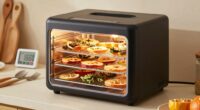
Inaccurate thermometer readings can cause your food to turn out different every time because they lead to inconsistent cooking temperatures. If your thermometer isn’t properly calibrated or placed correctly, it may give false readings, causing overcooking or undercooking. Uneven heat distribution and device drift worsen the problem, making results unpredictable. By understanding proper calibration, placement, and heat management, you can improve consistency. Keep going to find out how to guarantee your tools measure accurately every time.

Get kitchen staples and gadgets delivered free — and shop member deals
- Fast, free delivery on millions of items
- Access to Prime Big Deal Days deals on October 6–7
- Prime Video, Amazon Music and more included
Key Takeaways
- Inaccurate or uncalibrated thermometers provide inconsistent temperature readings, causing variable cooking results.
- Sensor drift from handling or extreme temperatures leads to unreliable temperature measurements over time.
- Improper thermometer placement or contact with pan sides skews temperature readings and affects cooking outcomes.
- Uneven heat distribution within appliances creates temperature fluctuations, impacting food consistency.
- Neglecting regular calibration and maintenance results in false readings, leading to inconsistent food doneness.
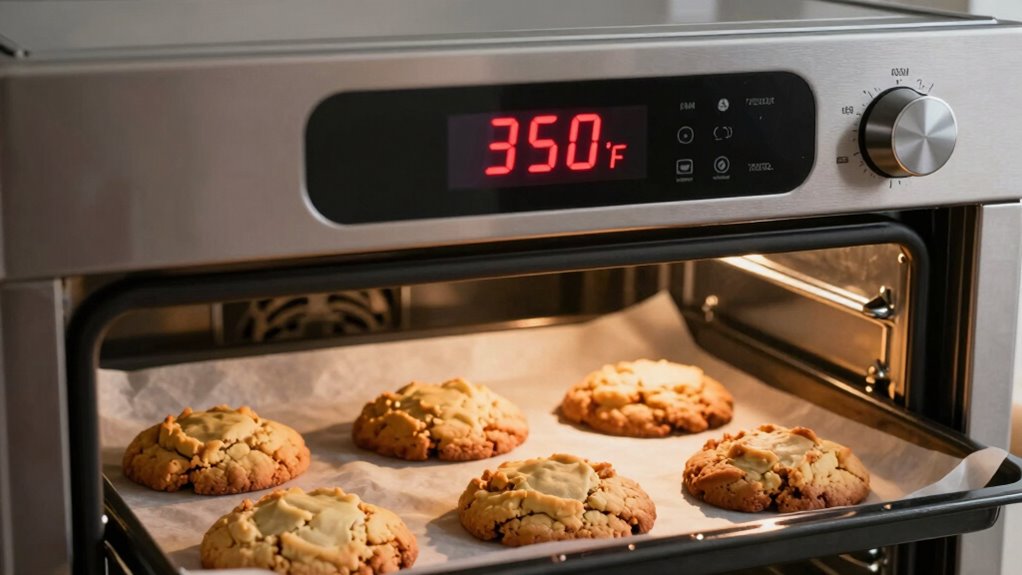
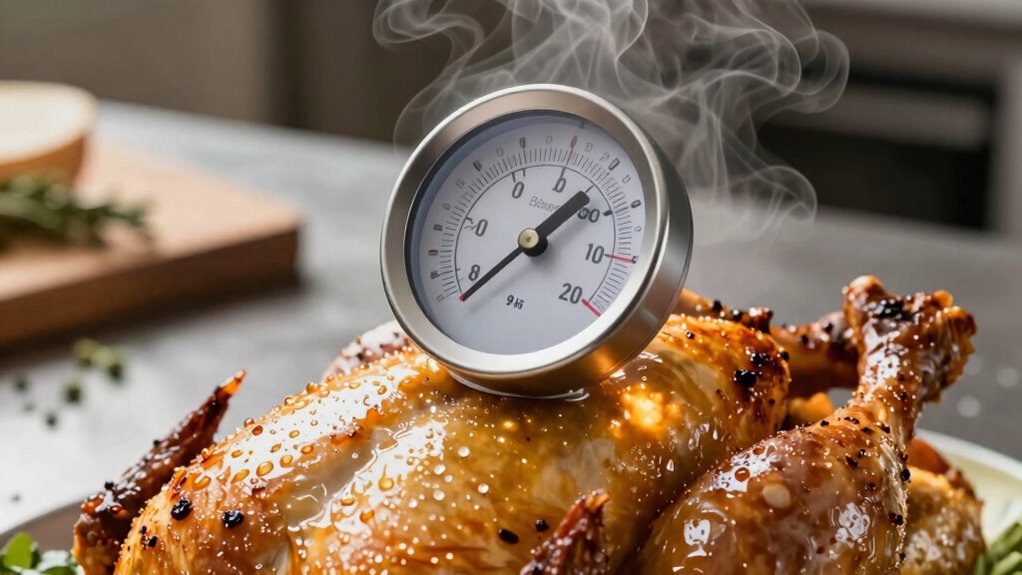
Cooking relies heavily on precise temperature control, yet many home cooks overlook how inaccurate thermometers can affect results. When your thermometer isn’t properly calibrated, it can give false readings, leading to inconsistent outcomes. One common issue is sensor calibration. Over time, thermometers can drift from their original accuracy, especially if they’ve been exposed to extreme temperatures or rough handling. Without regular calibration, your device might show a temperature that’s several degrees off, which can make a big difference in how your food cooks. To avoid this, you need to periodically check your thermometer against a known standard, like boiling water or an ice bath, and recalibrate if necessary. This simple step guarantees your readings stay precise, helping you achieve consistent results every time. Proper sensor calibration ensures your thermometer maintains its accuracy over time, preventing discrepancies caused by device drift. Additionally, understanding heat distribution can help you better interpret your thermometer readings and adjust your cooking accordingly. heat distribution is another vital factor that impacts cooking accuracy. Even if your thermometer is perfectly calibrated, uneven heat in your oven or stovetop can cause fluctuations in your food’s internal temperature. Some appliances have hot spots or uneven heat spread, which means certain areas will cook faster than others. When you rely on a single temperature reading without considering heat distribution, you risk overcooking or undercooking parts of your dish. To combat this, you should use multiple thermometers or move your food around during cooking to ensure even heat exposure. Additionally, investing in an oven thermometer can help you understand how heat is dispersed inside your oven, allowing you to adjust racks or cooking times accordingly. Proper placement of sensors is also crucial; if your thermometer probe isn’t inserted correctly or is touching the sides of a pan or the bottom of an oven, it might give skewed readings. Proper placement ensures you’re measuring the true internal temperature of your food, not just the ambient heat around it. When you take the time to position your thermometer correctly and check its accuracy through sensor calibration, you greatly improve your chances of cooking food to perfection. Incorporating consistent measuring techniques can further reduce variability and improve your results over time. Regularly cleaning your thermometer can also prevent residue buildup from affecting its accuracy. This attention to detail helps you avoid the frustrating variability that often comes with guesswork and unreliable tools. Additionally, understanding heat transfer can help you better grasp how temperature changes occur during cooking, further enhancing your ability to control the process. Ultimately, maintaining sensor calibration and understanding heat distribution are key to resolving the temperature accuracy problem that makes food turn out different every time. When your tools are precise and your heat spreads evenly, you gain better control over your cooking process. This consistency allows you to replicate successful dishes and avoid the disappointment of unexpected results. By prioritizing accurate measurements and paying attention to how heat moves in your kitchen, you’ll elevate your cooking game and enjoy delicious, reliably cooked meals every time.
digital food thermometer for cooking
As an affiliate, we earn on qualifying purchases.
As an affiliate, we earn on qualifying purchases.
Frequently Asked Questions
How Often Should I Calibrate My Kitchen Thermometer?
You should calibrate your kitchen thermometer at least once a month to maintain proper calibration frequency. Regular calibration guarantees your readings stay accurate, which is essential for temperature consistency in your cooking. Also, check your thermometer before each use, especially when cooking meats or baking. If it’s dropped or exposed to extreme temperatures, calibrate it immediately. Consistent calibration helps prevent food safety issues and guarantees your dishes turn out perfectly every time.
Do Different Types of Thermometers Provide the Same Accuracy?
Did you know that studies show digital thermometers are accurate within 1-2°F, while analogs can vary by up to 5°F? Different thermometer types, like digital, analog, or infrared, offer varying accuracy levels. To maintain precision, you should regularly calibrate your thermometer and use proper storage techniques, like keeping it in a protective case, to prevent damage and guarantee consistent, reliable readings every time you cook.
Can Ambient Temperature Affect My Cooking Thermometer’s Readings?
Yes, ambient temperature can affect your cooking thermometer’s readings. High cooking humidity or extreme room temperatures may cause your thermometer to give inaccurate results. To minimize this, guarantee proper thermometer placement—avoid placing it near heat sources or drafts. Keep your thermometer calibrated regularly, and consider the environment when measuring. This way, you’ll get more accurate readings, leading to consistently better-cooked food.
What Is the Best Way to Store Thermometers for Accuracy?
Did you know that improper storage can cause thermometers to lose up to 2°F accuracy? To keep yours precise, store it in a dry, low-humidity environment, avoiding places like the kitchen drawer with fluctuating temps. Always place your thermometer away from direct sunlight and metal objects. Proper thermometer placement and controlled storage humidity guarantee your readings stay consistent, so your cooking turns out perfect every time.
Are Digital Thermometers More Reliable Than Analog Ones?
Digital thermometers are generally more reliable than analog ones because they provide quicker readings and often have better temperature calibration features. To guarantee accuracy, you should regularly perform thermometer maintenance, like calibration checks, especially if they’re frequently used. Proper storage also helps maintain precision. While digital models are usually more dependable, consistent thermometer maintenance and calibration are essential for accurate temperature readings, regardless of type.
oven thermometer for even heat distribution
As an affiliate, we earn on qualifying purchases.
As an affiliate, we earn on qualifying purchases.
Conclusion
So, as you cook, remember that your thermometer is the compass guiding your culinary voyage. When it wavers, it’s like a ship lost in fog—your dish’s destiny drifts unpredictably. Keep that thermometer steady, like a lighthouse piercing through the mist, and soon you’ll be steering toward perfectly cooked meals every time. With precision as your ally, your kitchen adventures become a symphony of consistent, delicious results.
As an affiliate, we earn on qualifying purchases.
instant-read kitchen thermometer
As an affiliate, we earn on qualifying purchases.
As an affiliate, we earn on qualifying purchases.
NFL season / tailgating Picks
team gear
As an affiliate, we earn on qualifying purchases.