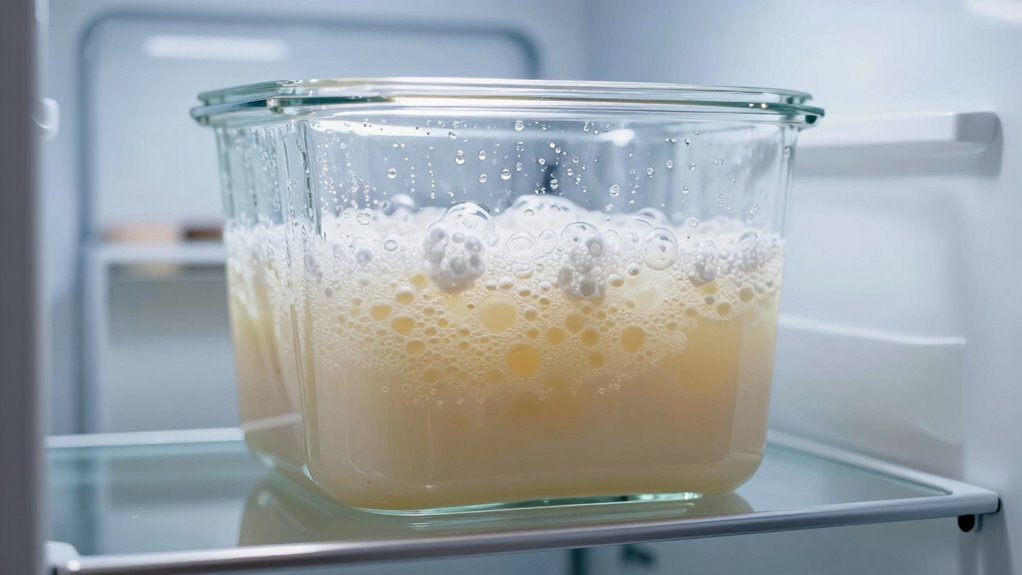

When you cold-proof dough, the yeast doesn’t die — it simply slows down due to the low temperature, entering a dormant state. Temperatures between 38°F and 45°F reduce yeast activity but keep it alive and healthy for when warmth returns. This means your dough will rise more slowly but still properly develop flavor and structure. If you want to know how to optimize your cold-proofing process and keep your yeast happy, there’s more to discover below.
Key Takeaways
- Cold-proofing slows yeast activity but does not kill it; yeast remains alive in a dormant or slowed state.
- Maintaining temperatures between 38°F and 45°F preserves yeast vitality during cold fermentation.
- Proper temperature control prevents over-fermentation and ensures the yeast is healthy for rising.
- Yeast can recover and resume activity once warmed, leading to proper dough rise.
- Extended cold-proofing can enhance flavor and dough structure without harming the yeast.

Sourdough Warming Mat Bread Proofer Heating Pad with Temperature & Timer Control Waterproof Dough Proofing Mat Warmer for Bread Dough Proofing Yogurt Fermentation
【Dough Proofer Heating Mat】Accurance tempearture and time management are important for home made bread dough proofing, kombucha fermentation…
As an affiliate, we earn on qualifying purchases.
As an affiliate, we earn on qualifying purchases.
What Happens to Yeast When You Cold-Proof Dough?

When you cold-proof dough, the yeast activity slows considerably, but it doesn’t stop entirely. This fermentation slowdown occurs because lower temperatures reduce yeast’s metabolic rate, making it less active. As a result, the yeast consumes less sugar and produces fewer gases, which means your dough rises more slowly. Despite this slowdown, the yeast remains healthy if kept at proper cold-proofing temperatures—typically between 35°F and 45°F. Cold temperatures help preserve yeast robustness by preventing over-fermentation or spoilage. As long as you don’t freeze the dough, the yeast stays alive and ready to reactivate once it warms up. Proper temperature control is essential to maintaining yeast health during cold-proofing, as it impacts yeast viability over extended periods. Additionally, understanding yeast’s metabolic response to cold can help you optimize your proofing process for better baking results. Maintaining consistent temperatures can also prevent yeast stress, which might otherwise weaken the dough’s rise. Consistent temperature management can ensure your dough develops optimal flavor and texture during cold-proofing.

Kekow 4-Pack 14 L Clear Food Storage Container, Pizza Dough Proofing Box
This product can be used as a food storage box for storing bread, fruits, vegetables, etc. It can…
As an affiliate, we earn on qualifying purchases.
As an affiliate, we earn on qualifying purchases.
How Cold Temperatures Impact Yeast Activity and Dough Rising

Cold temperatures slow down yeast activity by reducing its metabolic processes, which directly affects how quickly your dough rises. During this time, yeast enters a state of dormancy, conserving energy until conditions improve. This yeast dormancy causes fermentation slowdown, meaning the production of carbon dioxide and alcohol diminishes considerably. As a result, dough rises more slowly or may appear to stop rising temporarily. However, the yeast isn’t dead; it’s simply in a state of suspended animation until warmed. Recognizing yeast dormancy can help bakers better manage their proofing schedules. Additionally, understanding how temperature control influences fermentation allows for more precise baking outcomes and flavor development. When you use colder temperatures, you’re intentionally delaying fermentation, which can develop flavor and texture. Proper temperature management ensures the yeast remains viable and ready to activate once conditions improve. Just remember, patience is key—cold-proofed dough might take longer but will still rise given the right conditions.
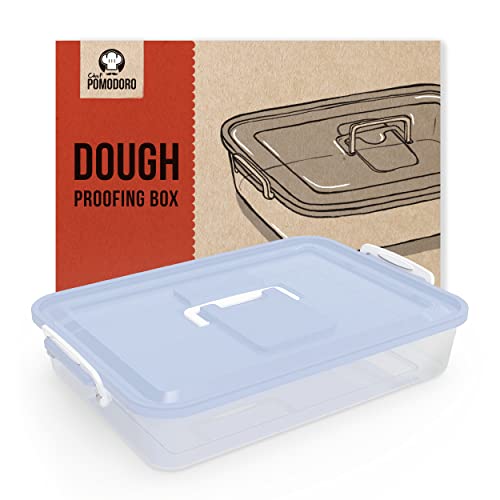
Chef Pomodoro Pizza Dough Proofing Box, 14 x 11-Inch, Preparation Container with Lid, Fits 4-6 Proofing Balls, Household Pizza and Bread Dough Tray With Convenient Carry Handle (Blue)
MAKE PERFECT DOUGH for your pizzas, artisan breads, or croissant rolls every time. The Chef Pomodoro dough proofing…
As an affiliate, we earn on qualifying purchases.
As an affiliate, we earn on qualifying purchases.
Is Cold Proofing Killing My Yeast? Debunking the Myth
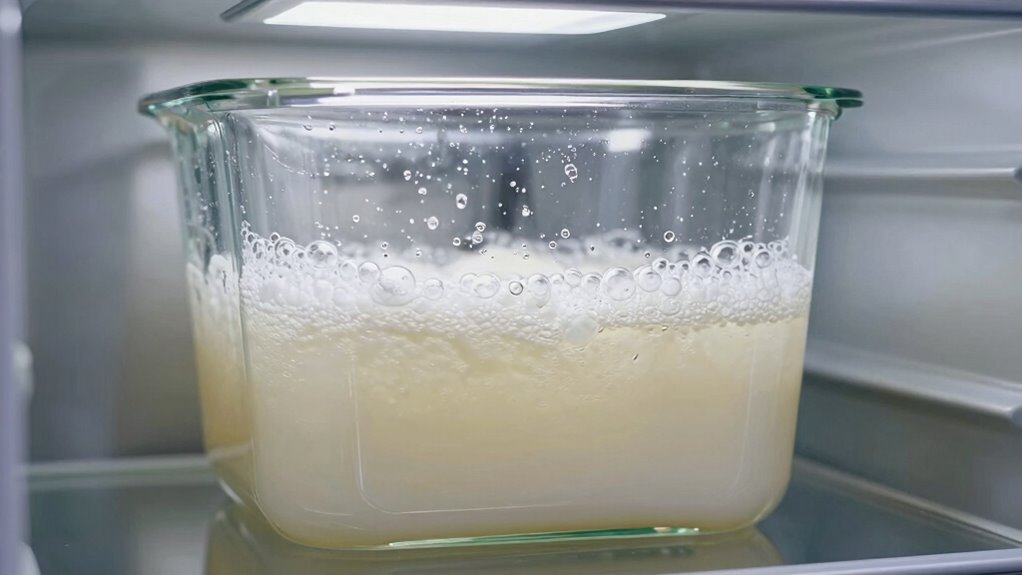
Many people worry that proofing dough in cold temperatures might kill their yeast, but that’s a myth. Cold proofing doesn’t harm yeast’s longevity; instead, it slows fermentation speed, allowing for better flavor development and dough management. Yeast remains alive and active at lower temperatures, just much more slowly. This extended fermentation can even enhance yeast health over time, provided the environment isn’t too cold or too warm. It’s a common misconception that cold kills yeast instantly—actually, it simply puts yeast into a dormant state, preserving it longer. So, if you’re concerned about killing your yeast during cold proofing, rest assured that with proper temperature control, your yeast stays healthy and viable for future use.
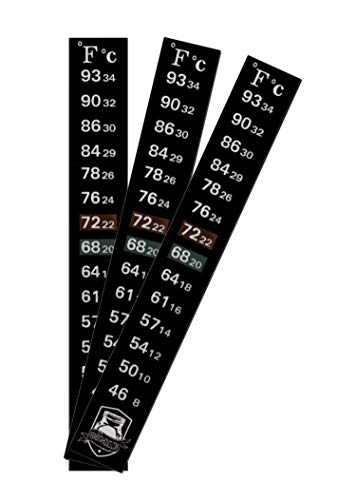
3 Pack Fermentation Adhesive Strip Thermometer – Displays Temperature in Degrees Celsius & Fahrenheit – Great for Kombucha, Beer, Wine, Vegetable Fermentation (46 to 93, Degrees Fahrenheit)
Wide range stick on temperature strip – 46° to 93° fahrenheit
As an affiliate, we earn on qualifying purchases.
As an affiliate, we earn on qualifying purchases.
What’s the Best Temperature for Cold Proofing?
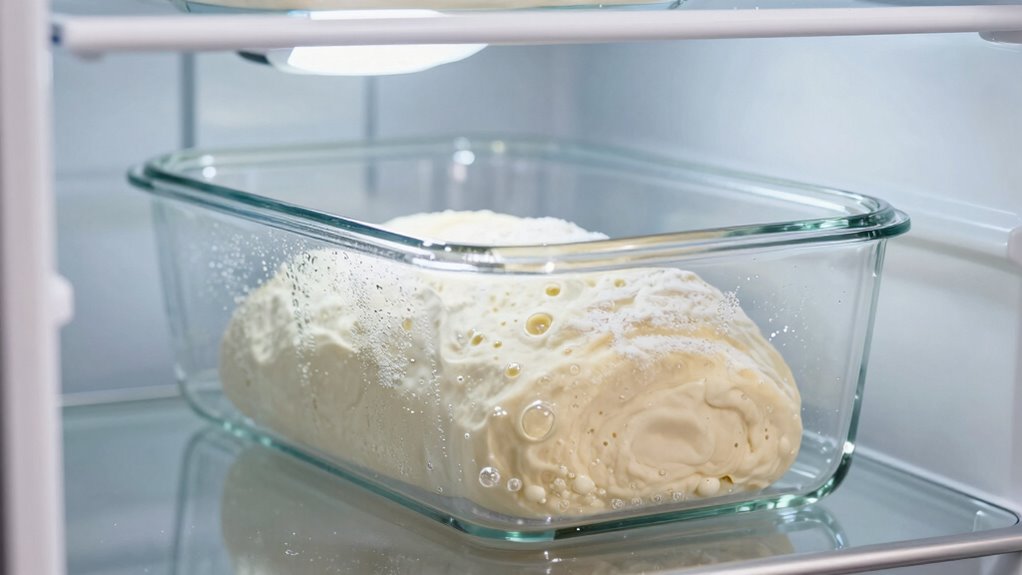
The ideal cold proofing temperature generally ranges between 38°F and 45°F (3°C to 7°C), but it can vary depending on your recipe. At this temperature, yeast activity slows enough to develop flavor without overproofing. Understanding how this affects yeast helps you achieve the perfect rise and texture in your baked goods. Additionally, maintaining a consistent proofing temperature ensures uniform fermentation and optimal results in your baking process. Proper temperature control also helps prevent overfermentation, which can negatively impact the final product’s quality.
Ideal Cold Proofing Temp
Achieving the right temperature for cold proofing is crucial to guarantee your dough rises properly without overproofing. The ideal cold proofing temp generally falls between 38°F and 42°F (3°C to 6°C). At this range, yeast fermentation slows down but remains active enough to develop flavor and dough elasticity. Cooler temps prevent overproofing, giving you more control. Keep your dough in a refrigerator or a cool spot within this temperature range for best results. Remember, too cold and yeast activity ceases, while too warm speeds up fermentation too much. Maintaining this balance ensures your dough develops complex flavors and good structure without risking overproofing. Use a thermometer to monitor, and you’ll consistently achieve perfect cold-proofed bread.
Effects on Yeast Activity
Since temperature directly influences yeast activity during cold proofing, maintaining the right range is essential for ideal fermentation. At suitable cold temperatures, yeast fermentation slows but continues steadily, producing flavors without overproofing. If the temperature drops too low, yeast activity becomes sluggish, delaying fermentation and reducing dough elasticity. Conversely, temperatures that are too warm accelerate yeast activity, risking overproofing and a loss of dough structure. Consistent cold proofing helps develop complex flavors and improves dough elasticity by allowing yeast to work gradually. Proper temperature control plays a crucial role in ensuring yeast remains active enough for proper fermentation while preventing overproofing. Using smart home automation to monitor and adjust proofing temperatures can optimize fermentation conditions and ensure consistent results. Finding the right temperature balance ensures your yeast remains active enough for proper fermentation while preventing overproofing. This control results in a well-structured, flavorful dough with the desired elasticity, making cold proofing a valuable technique for bakers. Ensuring temperature stability can further enhance the fermentation process and dough quality.
How to Cold-Proof Dough for a Perfect Rise
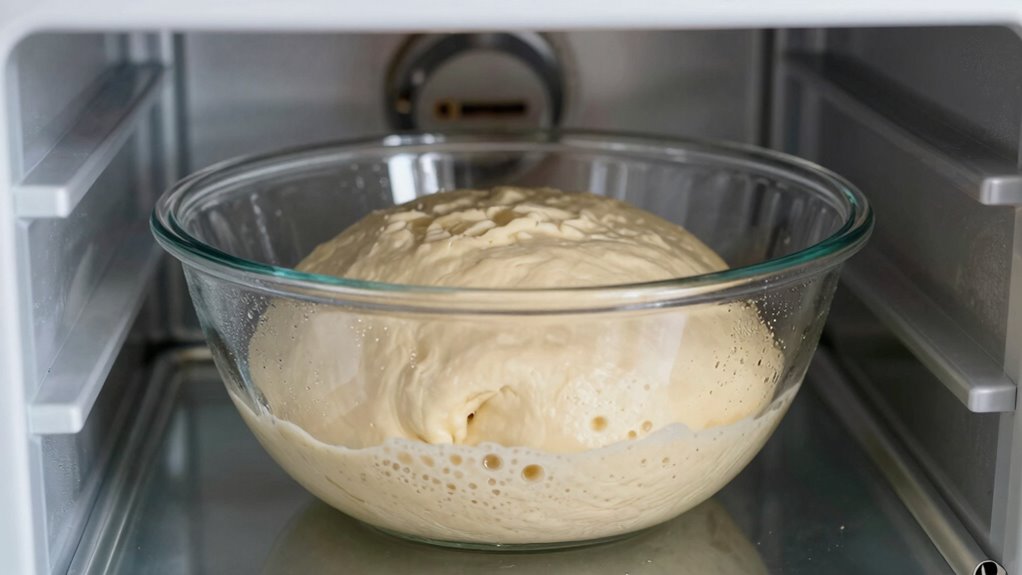
Have you ever wondered how to cold-proof your dough for a perfect rise? Cold-proofing slows fermentation, giving you more control over flavor and timing. To do it right, keep these tips in mind:
Cold-proof your dough for better flavor, elasticity, and perfect rise with these simple tips.
- Use a cool, consistent temperature—around 39°F (4°C)—to encourage fermentation slowdown without stopping yeast activity.
- Ensure your dough has good elasticity before chilling; this helps it expand smoothly during proofing.
- Cover your dough tightly to prevent drying out during the cold proof.
- Allow enough time—usually 8-24 hours—for the dough to develop flavor and structure without overproofing.
- Utilize precise temperature control with modern kitchen technology to maintain optimal conditions during proofing.
- Monitor the proofing environment closely to prevent temperature fluctuations that could hinder yeast activity.
- Adjust your proofing time based on dough behavior, as different recipes and ambient conditions may require slight modifications.
- Consider the yeast vitality to ensure your dough ferments properly during cold-proofing, especially with stored or older yeast.
- Incorporating temperature-sensitive tools can help you fine-tune the proofing process, ensuring consistent results every time.
This method enhances dough elasticity and flavor complexity, resulting in a perfectly risen loaf with a delightful crumb.
Troubleshooting Cold Proofing: Why Your Bread Might Not Rise
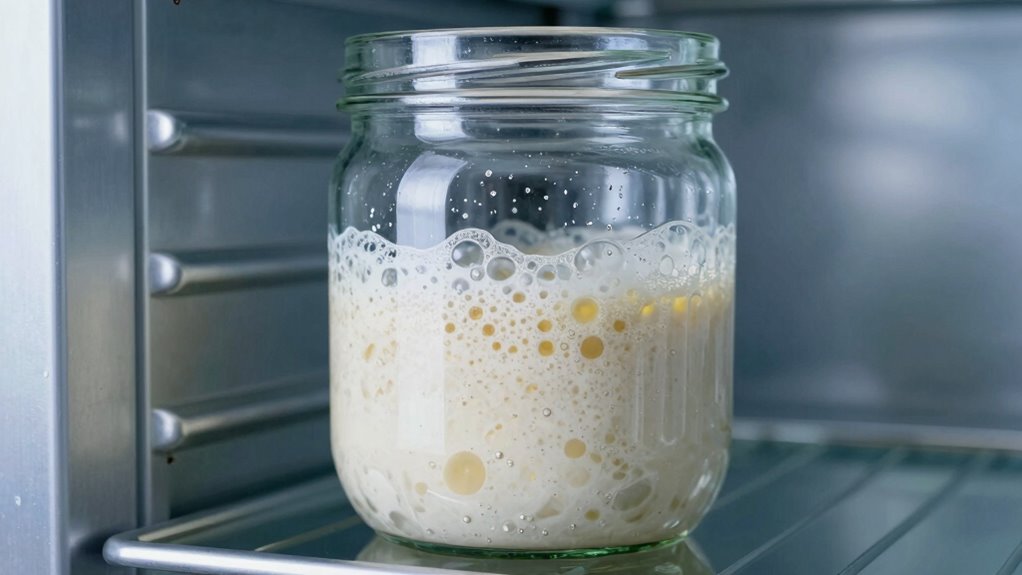
Are you frustrated because your cold-proofed dough isn’t rising as expected? The problem might be related to yeast survival during cold proofing. While cold temperatures slow yeast activity, they shouldn’t kill it. If your dough isn’t rising, verify your yeast is fresh and active before cold proofing. Also, check that the dough isn’t too cold or exposed to drafts, which can inhibit yeast activity. Remember, cold proofing benefits include flavor development and better dough structure, but only if the yeast survives the process. If your dough remains flat, try warming it slightly before baking or proofing it at a slightly higher temperature. Proper temperature control is key to ensuring your yeast stays alive and your bread rises perfectly. Additionally, understanding yeast viability can help you troubleshoot stubborn doughs and improve your baking results. Recognizing how temperature impacts yeast can help optimize your proofing process for consistent rises.
Frequently Asked Questions
Can I Cold-Proof Dough for Longer Than 24 Hours?
Yes, you can cold-proof dough for longer than 24 hours. Cold-proofing slows down fermentation speed, which enhances dough elasticity and flavor development. Just make certain you keep the dough covered and stored properly in the refrigerator. Longer proofing times can improve taste and texture, but be mindful of over-fermentation that may weaken the dough structure. Check periodically to maintain ideal dough elasticity and prevent over-proofing.
Does Cold-Proofing Improve Bread Flavor?
Think of cold-proofing as a slow dance with your dough, and yes, it does improve bread flavor. By extending fermentation at cooler temperatures, you allow the fermentation process to develop richer, more complex flavors. This slow fermentation enhances dough’s depth and aroma, resulting in a more flavorful loaf. So, when you cold-proof, you’re giving your bread extra time to develop its full, delicious character.
How Does Refrigerator Humidity Affect Proofing?
Refrigerator humidity substantially impacts proofing by affecting moisture levels. When humidity control isn’t maintained, the environment can become too dry, causing the dough to lose moisture and not rise properly. Conversely, high humidity helps retain moisture, resulting in a softer, well-proofed dough. To optimize proofing, make sure your refrigerator maintains consistent humidity levels, preventing over-drying or excess moisture that can hinder yeast activity and affect your bread’s final texture.
Can Cold-Proofing Replace Traditional Rising Methods?
Cold-proofing is like a slow dance, but it can’t fully replace traditional rising methods. While it reduces fermentation rate and preserves yeast viability, it takes longer and might not develop the same flavor and texture as warm proofing. If you’re short on time, cold-proofing can be a helpful alternative, but for ideal results, combining both methods ensures better fermentation, rise, and overall bread quality.
What Signs Indicate Yeast Is Still Alive After Cold-Proofing?
You can tell yeast is still alive after cold-proofing if you see signs of yeast activity, such as bubbling or slight puffiness in the dough. Additionally, the dough should feel elastic and spring back when you press it gently. These indicators show that your yeast remains active despite the low temperature. If these signs are absent, the yeast may be inactive, and you might need to start over with fresh yeast.
Conclusion
Remember, cold-proofing isn’t a death sentence for your yeast—it’s a gentle lullaby that slows but doesn’t stop its magic. Like a peaceful winter night, low temperatures cradle your dough, allowing flavors to deepen and gluten to strengthen. Trust in this cool embrace, and your bread will rise beautifully, soft and airy, ready to warm your home. Embrace the chill, and watch your baking reach new, delicious heights.