If your appliance suddenly malfunctions but seems fine, the issue might actually be with your power supply, not the device itself. Voltage fluctuations, surges, or dips caused by wiring problems or the power grid can cause flickering lights, error messages, or unexpected shutdowns. Overloaded circuits or unstable power can mimic appliance failures, leading you to think your device is at fault. Stay tuned to discover how to identify and prevent these hidden electrical problems that damage your appliances over time.
Listen free for 30 days with Audible
Thousands of audiobooks and originals — cancel anytime.
As an affiliate, we earn on qualifying purchases.
Key Takeaways
- Power fluctuations can cause appliance issues that mimic failure but are due to electrical supply inconsistencies.
- Voltage spikes or dips may lead to erratic appliance behavior without actual device faults.
- Circuit overloads can cause appliances to malfunction temporarily, resembling hardware failures.
- Flickering lights and sudden outages are signs of electrical problems, not appliance malfunctions.
- Using surge protectors and ensuring proper wiring can prevent power issues mistaken for appliance failure.
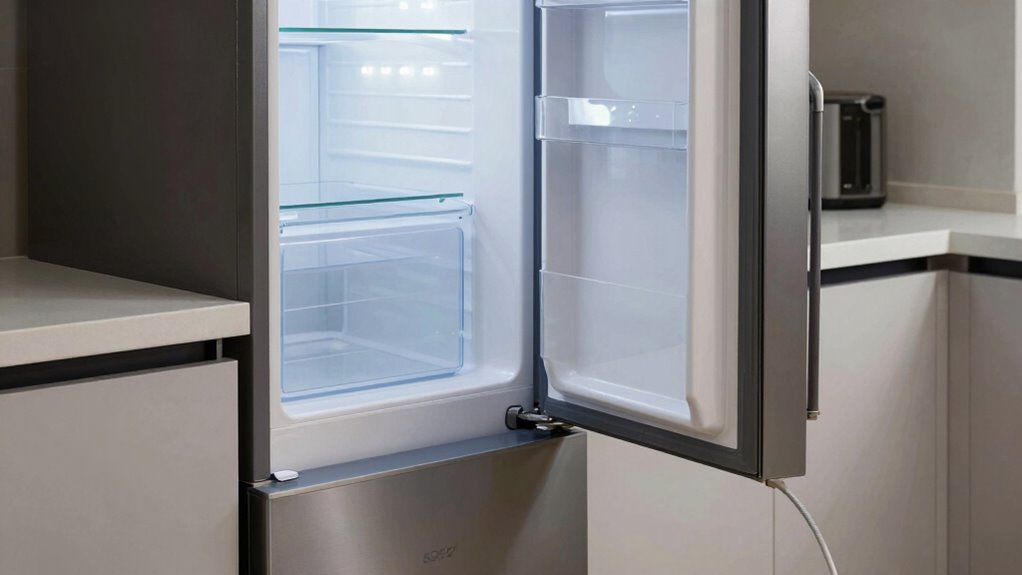
Have you ever experienced a sudden appliance failure only to find that the real culprit is a power problem? It’s frustrating, especially when you’re sure the appliance itself is to blame. Often, what seems like a malfunction is actually caused by issues with your electrical supply. Two common culprits are voltage fluctuations and circuit overloads. Recognizing these problems can save you money and prevent unnecessary repairs.
Voltage fluctuations happen when the electrical voltage supplied to your appliances rises or drops unexpectedly. These changes may be subtle, but they can have a big impact. When voltage spikes occur, your appliances might flicker, shut off unexpectedly, or display error messages. Conversely, low voltage can cause appliances to run inefficiently or fail to start altogether. These fluctuations often happen due to problems with the power grid, nearby heavy machinery turning on, or issues within your home’s wiring. If your appliances are acting erratically, it’s worth considering whether voltage fluctuations could be the cause. Understanding electrical stability can help you better assess and address these issues. Additionally, electrical system monitoring can provide valuable insights into your home’s power quality. Being aware of power quality issues can help you take measures to protect your devices from damage.
Voltage fluctuations can cause appliances to flicker, shut off, or fail to start—watch for signs of power instability.
Circuit overloads are another common issue that can mimic appliance failure. Overloading occurs when too many devices draw power from a single circuit, exceeding its capacity. This often happens if you plug multiple high-power appliances into the same outlet or power strip. When a circuit is overloaded, the breaker trips to prevent overheating, which results in a sudden loss of power to those devices. Sometimes, the breaker doesn’t trip immediately, and your appliances may seem to malfunction or fail without warning. In reality, they’re not broken; they’re simply not getting the stable power they need to operate properly. Over time, repeated overloads can even damage your wiring or appliances, making it seem like they’re faulty when, in fact, the issue is with your circuit.
To avoid these problems, always be mindful of what’s plugged into your outlets. Spread out high-power devices across different circuits whenever possible. If you notice frequent flickering lights or sudden outages, it’s a good idea to have an electrician inspect your wiring and circuit breakers. Similarly, if your appliances keep shutting down or behaving erratically, consider using a voltage regulator or surge protector. These devices help stabilize power and prevent damage caused by voltage fluctuations. By understanding and addressing these underlying power issues, you can prevent false appliance failures and extend the lifespan of your devices. Recognizing the signs of voltage fluctuations and circuit overloads allows you to take proactive steps, saving you time, money, and frustration in the long run.
surge protector with outlet strips
As an affiliate, we earn on qualifying purchases.
As an affiliate, we earn on qualifying purchases.
Frequently Asked Questions
How Can I Tell if My Power Issue Is Electrical or Appliance-Related?
You can tell if your power issue is electrical or appliance-related by observing voltage fluctuations and circuit overloads. If multiple appliances flicker or shut off simultaneously, it’s likely an electrical issue. Check your circuit breaker for overloads or frequent trips, which indicate electrical problems. Test your outlets with a voltage tester; inconsistent or low readings suggest an electrical fault, while isolated appliance issues point to the appliance itself.
Are There Specific Signs Indicating a Power Problem Rather Than an Appliance Failure?
Ever wondered if your power issue stems from the main supply? Signs like frequent power surges, circuit overloads, or flickering lights often indicate a broader electrical problem rather than an appliance failure. If multiple devices lose power simultaneously or circuit breakers trip repeatedly, it’s likely a power issue. You shouldn’t ignore these signals; addressing them quickly can prevent further damage and keep your home safe.
What Safety Precautions Should I Take When Troubleshooting Power Issues?
When troubleshooting power issues, prioritize grounding safety to prevent shocks. Always turn off the circuit breaker before inspecting or working on electrical components. Check the circuit breaker to confirm it hasn’t tripped, resetting it if necessary. Use a voltage tester to verify power presence safely. Avoid working with live wires and wear insulated gloves. Taking these precautions helps protect you from electrical hazards while diagnosing the problem effectively.
Can a Power Problem Cause Damage to My Appliances?
Think of your appliances as delicate plants; sudden voltage fluctuations and circuit overloads can cause their roots to weaken or burn out. Yes, power problems can damage your appliances, especially if they experience frequent surges or dips. These issues strain internal components, potentially leading to malfunction or permanent damage. To protect your devices, consider installing surge protectors and ensuring your electrical system handles your power needs safely.
When Should I Call a Professional for Electrical Troubleshooting?
You should call a professional if you experience persistent voltage fluctuation or frequent circuit overloads. These issues can cause damage to your appliances and pose safety risks. Don’t ignore flickering lights, tripped circuit breakers, or strange electrical odors. A licensed electrician can diagnose and resolve problems safely, ensuring your electrical system is functioning correctly and preventing potential hazards or costly repairs down the line.
As an affiliate, we earn on qualifying purchases.
Conclusion
When your appliance suddenly stops working, don’t jump to conclusions. Sometimes, the real problem isn’t a broken device but a tiny power glitch hiding behind the scenes. By checking your outlets, cords, and circuit breakers, you could save yourself hours of frustration—trust me, it’s more common than you think. Remember, what looks like a disaster might just be a sneaky power hiccup waiting to be fixed. Stay calm, troubleshoot, and you’ll be back to normal in no time.
As an affiliate, we earn on qualifying purchases.
As an affiliate, we earn on qualifying purchases.
Fall Picks
fall essentials
As an affiliate, we earn on qualifying purchases.