
If your brownies turn cakey, it’s often because you’re overmixing the batter. Mixes that incorporate too much air and develop gluten can make brownies lighter and fluffier, veering away from their fudgy goal. Vigorous stirring after adding flour or using an electric mixer on high speed can cause this. To keep them dense and chewy, gentle folding and mixing just until everything’s combined. Keep going to discover more ways to perfect your brownie texture.
Key Takeaways
- Overmixing the batter develops gluten, which creates a cakier, less fudgy brownie texture.
- Vigorous stirring after adding flour introduces excess air, leading to a lighter, cake-like crumb.
- Using high-speed electric mixers or mixing for too long can incorporate too much air, making brownies cakier.
- Mixing ingredients until just combined prevents gluten overdevelopment and maintains a dense, fudgy consistency.
- Choosing the wrong baking pan size or uneven oven temperature can enhance cakey outcomes caused by mixing choices.

GoodCook MegaGrip Baking Pan with Silicone Grip Handles Square Non-Stick Heavy-Gauge Steel Cake Pan Baking Dish for Brownies Bread Cake Baked Goods & More, Dishwasher Safe, 8×8-Inch,
8 x 8-INCH SQUARE BAKING PAN: This 8×8 baking pan is made from heavy-gauge steel and ensures a…
As an affiliate, we earn on qualifying purchases.
As an affiliate, we earn on qualifying purchases.
How Your Mixing Technique Affects Brownie Texture
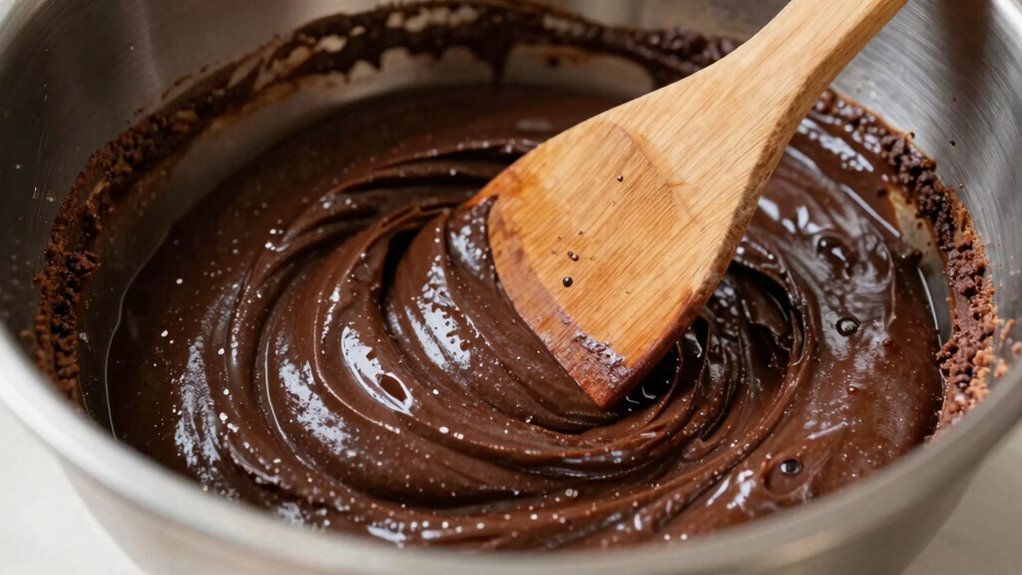
Your mixing technique plays a crucial role in the final texture of your brownies. Overmixing can incorporate excess air, making your brownies lighter and more cakey. To avoid this, mix just until the ingredients are combined, especially after adding the flour. Additionally, your baking temperature influences the rise and consistency; too high can cause rapid expansion, leading to a more cake-like result. The pan selection also matters—using a darker or smaller pan can increase heat absorption, affecting how the batter bakes. Proper mixing and choosing the right pan help control how much air gets into your batter and how evenly it bakes. Be mindful of your mixing technique to prevent incorporating unnecessary air into your batter. Using a gentle folding method can help maintain the desired density. Proper technique is essential for achieving the desired dense, fudgy texture. Additionally, understanding baking science can help you fine-tune your process for perfect brownies every time. Being aware of the chemical reactions during baking allows you to better control the rise and texture of your brownies. By paying attention to these details, you’ll produce brownies with the dense, fudgy texture you desire instead of a cakey crumb.

Hamilton Beach 6-Speed Electric Hand Mixer with Whisk, Traditional Beaters, Snap-On Storage Case, 250 Watts, White
NO MORE LOST BEATERS: The snap-on storage case that comes with the Hamilton Beach hand mixer neatly holds…
As an affiliate, we earn on qualifying purchases.
As an affiliate, we earn on qualifying purchases.
Ingredient Ratios That Make Brownies Fudgy or Cakey
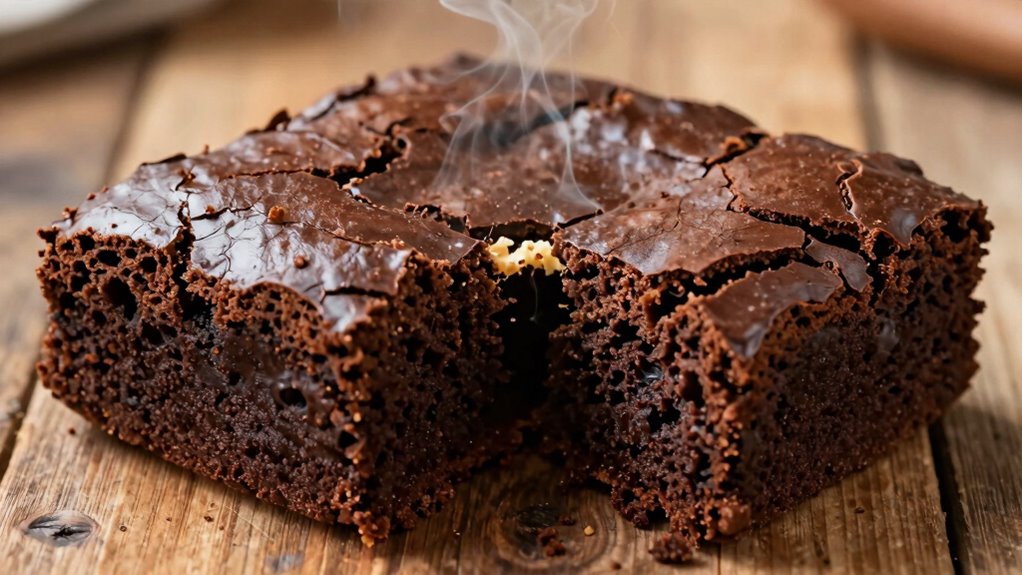
The key to achieving the perfect brownie texture lies in the right ingredient ratios. When you adjust the amounts of butter, flour, and sugar, you can make your brownies more fudgy or cakey. Remember, proper mixing techniques also guarantee those ratios create the desired consistency. Additionally, understanding how different ingredient ratios influence the overall texture can help you customize your brownies to your preference ingredient ratios. Using precise measurements can further improve baking accuracy and lead to consistently better results.
Ingredient Ratios Matter
Ingredient ratios play a fundamental role in determining whether your brownies turn out fudgy or cakey. Too much flour or an overly high baking temperature can create a dry, cakey texture, while fresh ingredients help achieve the desired consistency. Balancing wet and dry components is essential. Use the table below to see how different ratios influence texture:
| Ingredient Ratio | Effect on Brownies | Tips |
|---|---|---|
| More flour / less fat | Cakey, crumbly | Use fresh ingredients, watch temperature |
| Equal flour & fat | Slightly fudgy | Maintain proper mixing |
| Less flour / more fat | Very fudgy | Avoid overbaking |
| Higher baking temp | Dry, cakey | Keep oven at recommended temp |
| Ingredient freshness | Enhances overall texture | Use fresh for best results |
Proper Mixing Techniques
Proper mixing techniques greatly influence whether your brownies turn fudgy or cakey by affecting how ingredients combine and develop structure. When mixing, be careful not to overwork the batter, as excessive mixing can incorporate too much air, making brownies cakier. For fudgy brownies, gently fold ingredients just until combined, maintaining a dense texture. Adjust your oven temperature and baking time accordingly: a lower oven temperature and shorter baking time help preserve moisture and fudginess, while a higher temperature and longer bake promote a cakier crumb. Remember, thorough but gentle mixing ensures even distribution of ingredients without over-aerating the batter. By mastering these techniques, you’ll control the texture of your brownies and avoid unintended cakiness. Proper mixing sets the foundation for the perfect brownie consistency.
Measuring Spoons, Premium Heavy Duty Stainless Steel Measuring Spoons Cups Set, Small Tablespoon with Metric and US Measurements, Set of 6 for Measuring Dry and Liquid Ingredients
GUARANTEE SAFE FOR COOKING: Are you worried about silicone and plastic tools not safe for cooking? Protect your…
As an affiliate, we earn on qualifying purchases.
As an affiliate, we earn on qualifying purchases.
Why Overmixing Turns Brownies Cakey: And How to Avoid It
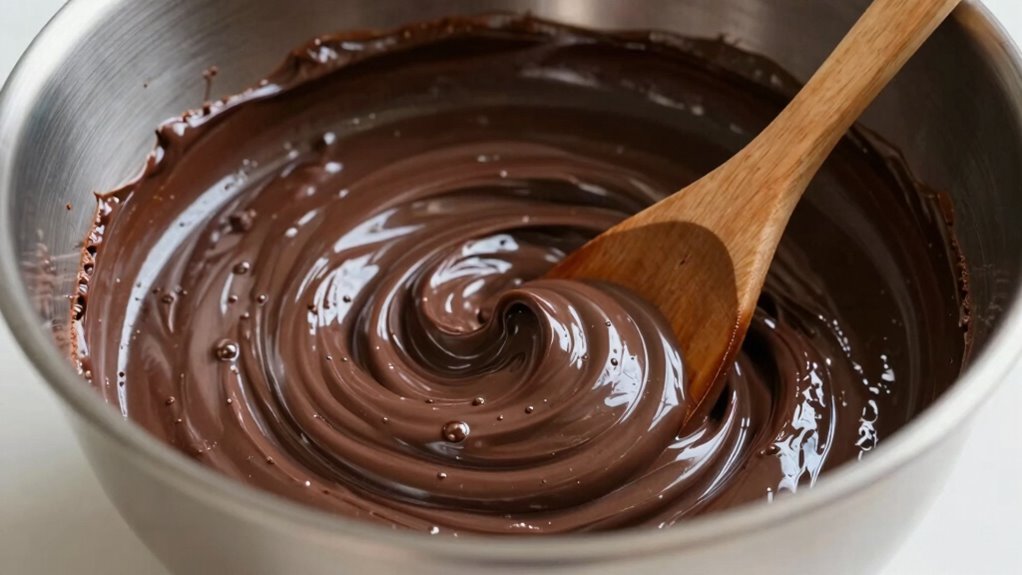
If you overmix your brownie batter, it can lead to a cakier texture. Using proper mixing techniques helps prevent developing too much gluten, which makes the brownies dense and chewy instead. To keep them fudgy, mix just until the ingredients are combined and avoid overworking the batter.
Proper Mixing Technique
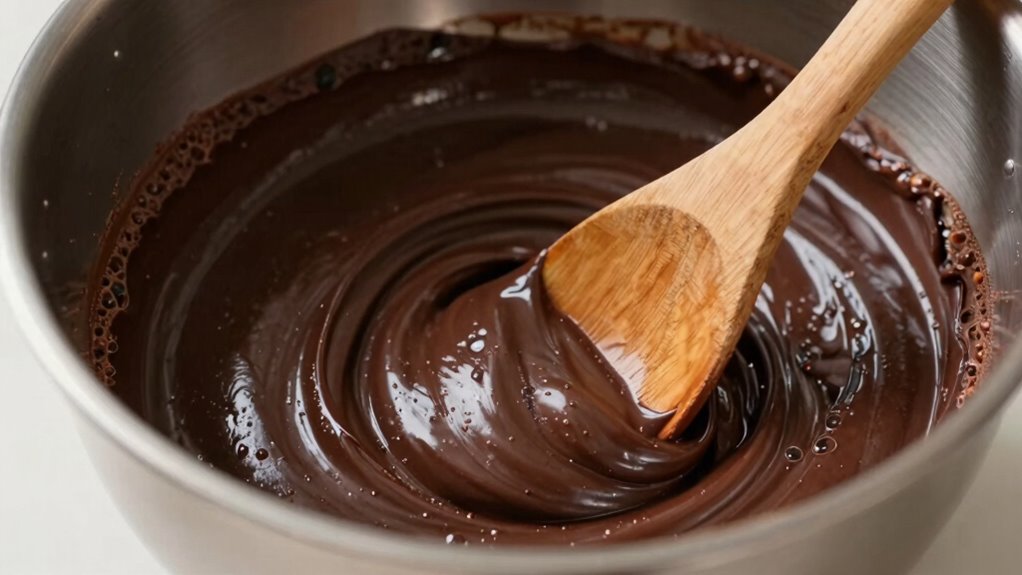
Overmixing your brownie batter can easily lead to a cakey texture, so it’s important to mix just enough to combine the ingredients. Use gentle stirring techniques, such as folding or stirring with a spatula, to avoid developing too much gluten. Choose the right mixing equipment—preferably a rubber spatula or wooden spoon—over an electric mixer, which can easily overmix the batter if not careful. When combining wet and dry ingredients, mix until they’re just incorporated; don’t continue until everything is perfectly smooth. Pay attention to the batter’s consistency—aim for a thick, uniform mixture without overworking it. Proper mixing technique ensures your brownies stay fudgy and dense, rather than turning cakey from excess gluten formation.
Avoid Overworking Batter
Ever wonder why your brownies turn out cakey instead of fudgy? Overworking the batter is often the culprit. When you whisk sugar excessively or fold flour too vigorously, you incorporate too much air and develop gluten, which leads to a lighter, cakier texture. To avoid this, mix just until ingredients are combined. Use gentle folding techniques for the flour, preventing overmixing. Here’s a quick guide:
| Step | Action | Result |
|---|---|---|
| Whisking sugar | Mix until smooth | Incorporates air slightly |
| Folding flour | Gently fold in flour | Maintains batter’s density |
| Overmixing | Stir vigorously | Creates gluten, airy bake |
Keeping your mixing techniques light and mindful can help prevent overmixing and achieve that perfect fudgy brownie. Additionally, employing correct mixing techniques can significantly impact your final texture. Being aware of gluten formation during mixing can further help you control the batter’s consistency and outcome.
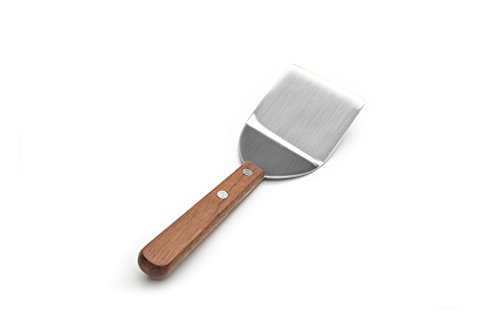
Fox Run Stainless Steel Cookie and Brownie Spatula, 1 x 2.25 x 7 inches
VERSATILE FUNCTION: In addition to being great for cookies, it's also perfect for cakes, small pizzas, casseroles, quiches,…
As an affiliate, we earn on qualifying purchases.
As an affiliate, we earn on qualifying purchases.
How to Mix Brownies for a Dense, Chewy Finish
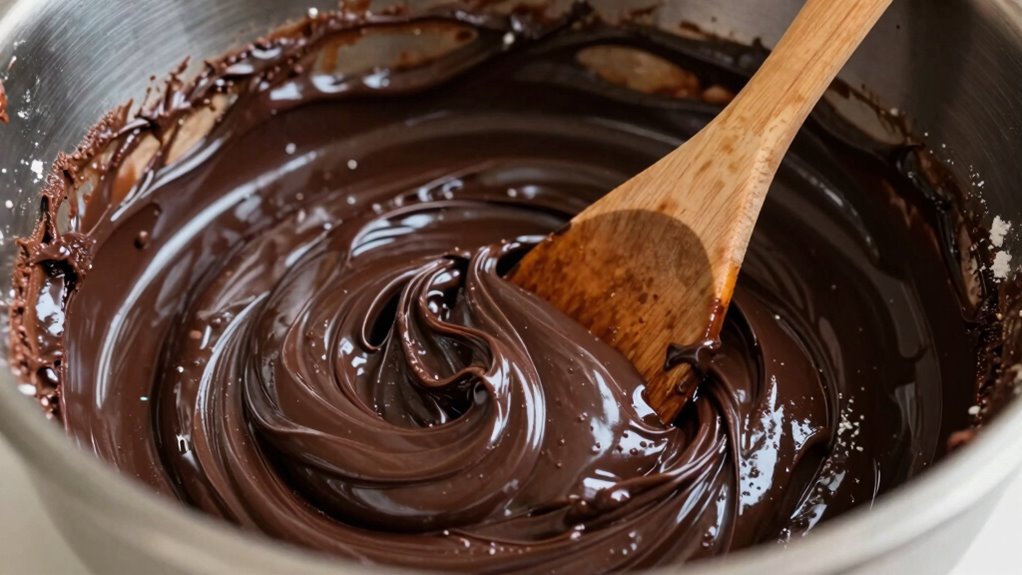
To achieve a dense, chewy brownie, the key is in how you mix the ingredients. Use a gentle folding method instead of vigorous stirring to prevent incorporating too much air, which can make your brownies lighter and cakier. Incorporate alternative ingredients like melted butter or brown sugar, which contribute to a richer, denser texture. Also, consider using baking equipment such as a sturdy spatula or a silicone scraper to mix ingredients evenly without overworking the batter. Avoid beating or whipping the batter, as this introduces excess air. Instead, combine your ingredients just until they’re integrated. This careful mixing technique, combined with thoughtful ingredient choices, helps you create brownies with the dense, chewy finish you’re aiming for. Additionally, understanding art preservation techniques can help you maintain your baked goods’ quality over time. Incorporating smart kitchen tools can further enhance your baking precision and consistency. Being mindful of measuring accuracy can also prevent unintended textural changes in your brownies. Using proper mixing techniques ensures the desired density without overmixing the batter.
Troubleshooting Common Mixing Mistakes in Brownie Baking
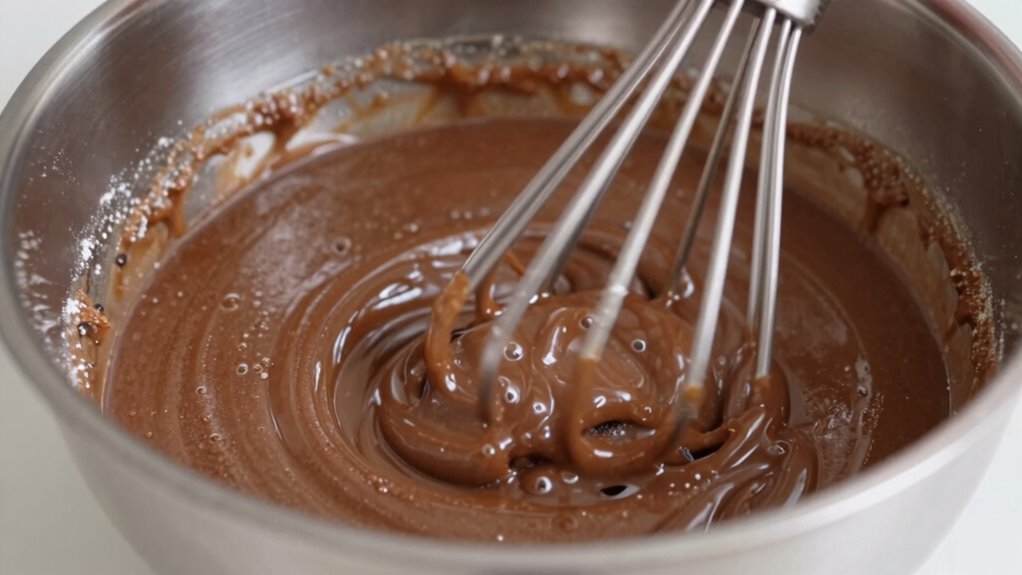
Mixing your brownie batter correctly is essential for achieving the desired texture, but it’s easy to make mistakes that can affect the final outcome. Using the wrong baking vessel, like a too-large or too-small pan, can cause uneven baking and a cakier texture. Overmixing the batter, especially after adding flour, develops gluten and leads to a tougher, more cakey brownie. Be mindful of ingredient substitutions; swapping butter for oil or using alternative sweeteners can alter the batter’s consistency, affecting how it mixes and bakes. Always measure ingredients precisely and mix just until combined. Avoid rushing or skipping steps, as these habits can introduce air or cause uneven distribution of ingredients, resulting in a less-than-desirable brownie texture. Additionally, understanding the role of proper filtration and airflow in your mixing equipment can help achieve a more consistent batter. Proper storage of butter at the right temperature ensures its optimal freshness and quality, which can impact how it incorporates into your batter. Incorporating proper mixing techniques can also prevent overworking the batter and improve the final product. Furthermore, paying attention to the quality of ingredients can make a significant difference in the batter’s behavior and the resulting brownie texture.
Tips for Perfect Brownies Every Time
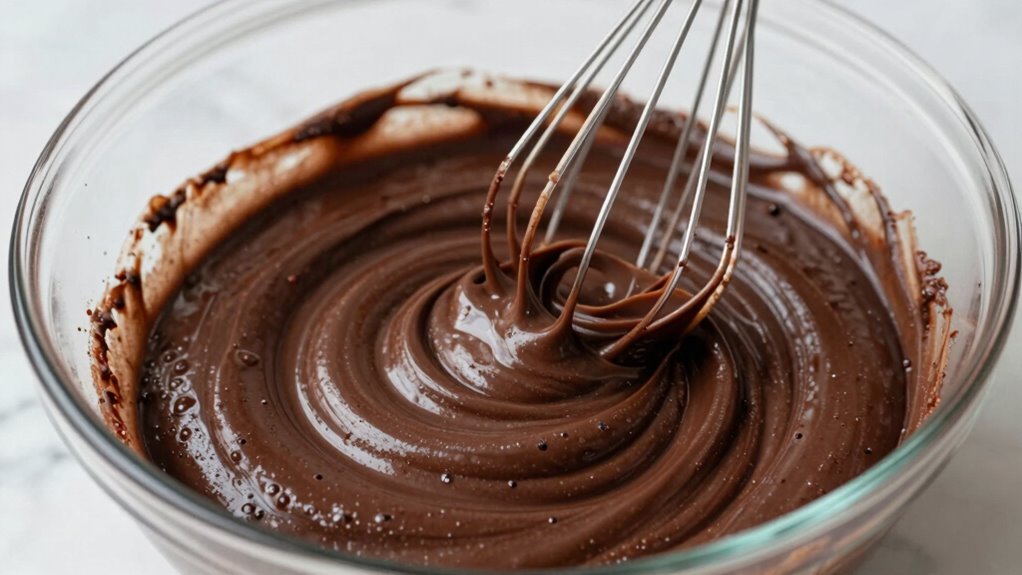
Achieving perfectly baked brownies every time starts with paying close attention to your ingredients and techniques. To enhance chocolate density, use high-quality cocoa or melted chocolate for richer flavor. Proper pan preparation is key—grease or line your pan to prevent sticking and ensure even baking. Keep your oven temperature consistent; too hot can cause cakiness. Mix your batter just enough to combine ingredients, avoiding overmixing that can introduce air. For a fudgier texture, slightly underbake and let the brownies cool completely before cutting. Remember, the right pan size affects thickness; too large, and they’ll be thin, too small, and they may be too dense. Additionally, understanding baking fundamentals can help troubleshoot common issues and improve your results. Mastering ingredient ratios also plays a crucial role in achieving the desired brownie texture, ensuring your baked goods meet your expectations every time.
Frequently Asked Questions
Can Substituting Ingredients Change Brownie Texture?
Yes, ingredient swaps can change your brownie’s texture. Using alternative flours like almond or coconut flour affects moisture and structure, making brownies denser or cakier. Substituting butter with oil can make them moister, while replacing sugar with honey adds chewiness. Experimenting with these ingredient swaps allows you to tailor your brownies, but keep in mind that some substitutions may require adjusting other ingredients for the best results.
Does Baking Temperature Influence Cakey vs. Fudgy Brownies?
Sure, crank up that oven, and you’ll get cakier brownies—who knew? Higher baking temperatures speed up the baking duration, creating a fluffier, less fudgy texture. That means your chocolate flavor might be a tad milder, but hey, more airy goodness! Conversely, lower temps give you richer chocolate flavor and dense, fudgy brownies. So, adjust the oven and baking time to craft your perfect brownie masterpiece—fudgy or cakey, your call!
How Does Using a Hand Mixer Affect Brownie Consistency?
Using a hand mixer affects your brownie consistency by incorporating too much air if you mix at high speed or for too long. This can make your brownies cakey rather than fudgy. To keep them dense and moist, use a hand mixer on low to medium speed and mix just until the ingredients are combined. Avoid overmixing, as it introduces excess air and alters the texture you want.
Are There Specific Mixing Techniques for Gluten-Free Brownies?
You should use gentle mixing methods when making gluten-free brownies. Incorporate gluten-free flours like almond or rice flour carefully, avoiding overmixing to prevent a crumbly texture. Use a light hand and fold ingredients together instead of vigorous stirring. This helps keep the batter moist and cohesive. Also, consider mixing by hand or with a low-speed mixer to maintain the delicate structure of gluten-free baked goods.
How Long Should I Mix to Prevent Overmixing?
Think of mixing your brownie batter like tending a delicate garden. To prevent overmixing, stick to a gentle hand and limit the mixing duration to about 1-2 minutes once the dry and wet ingredients just come together. This careful approach guarantees you avoid overmixing prevention, keeping your brownies fudgy and moist instead of cakey. Stay attentive, and your batter will flourish into perfect, dense brownies.
Conclusion
Mastering your mixing technique is like tuning an instrument—you’ll unlock the perfect harmony of fudgy or chewy brownies every time. Pay attention to ingredient ratios, avoid overmixing, and follow these tips to prevent your batter from turning cakey. With a little practice, you’ll turn your kitchen into a bakery where every batch sings with the ideal texture. Remember, the secret to perfect brownies is in how you mix—so stir with care and enjoy the delicious reward.