
TL;DR

Get kitchen staples and gadgets delivered free with Prime
- Fast, free delivery on millions of items
- Prime Video, Amazon Music and more included
- Member-only deals all year
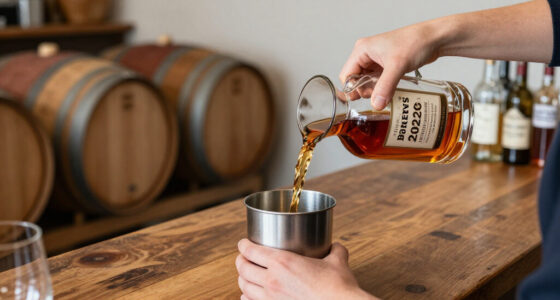
VinePair reports that 10 bartenders recommended whiskey bottles for the Old Fashioned, Manhattan, Whiskey Sour and a cocktail of each bartender’s choice. Their selections vary by recipe and personal taste, with several favoring higher-proof whiskey to maintain its presence alongside other ingredients.
VinePair asked 10 bartenders to name the whiskeys they use in an Old Fashioned, Manhattan and Whiskey Sour, as well as a fourth cocktail of their choice. Their recommendations range from rye to bourbon and across proof levels, underscoring that the bottle bartenders favor depends on the drink’s other ingredients and the character they want in the glass.
The recommendations are not a single agreed-upon ranking. For the Old Fashioned, Brandon Judd of Camel Club in Lexington, Kentucky, suggested Old Bardstown Bottled-in-Bond, a 100-proof bourbon he said can hold up to demerara syrup and bitters. Toby Maloney, co-author of The Classic Cocktail Sessions and owner of The Elbow Room in Vancouver, Washington, named Old Forester Signature 100 Bourbon, favoring its strength and personality as the drink changes while ice melts.
For a Manhattan, Judd and Maloney both recommended Rittenhouse Bottled-in-Bond Rye. Judd pointed to its 100-proof weight and spice alongside sweet vermouth; Maloney said a spicy rye can stand up to a rich vermouth. Ricky Dolinsky, beverage director at Dandelion and Keepers in New York City, offered a different option: Old Grand-Dad 114, which he described as a strong, spicy match for sweet vermouth.
The bartenders also differed on the Whiskey Sour. Judd named Elijah Craig Small Batch, citing its fruit, oak and warm spice at 94 proof. Maloney chose Wild Turkey 101 Rye, while Dolinsky recommended Yellowstone Bourbon 86. Their additional picks included Old Forester 100 Proof Rye for a Boulevardier, Copper & Kings Straight Bourbon finished in American apple brandy barrels for a Ward Eight, and Old Forester 86 Proof for a Paper Plane.
How Proof and Flavor Shape Each Pour
The recommendations offer readers a practical way to think about whiskey substitutions: a bottle is not chosen in isolation, but for how it behaves with sweet vermouth, citrus, bitters or amaro. Judd’s choice of rye for a Manhattan, for example, reflects his preference for spice against vermouth’s richness; Maloney’s higher-proof Old Fashioned pick reflects a desire for whiskey flavor to remain present as the ice melts.
That advice is useful, but it is not a standardized tasting result. The bartenders’ suggestions reflect individual preferences and recipes, and the source gives no controlled comparison or consensus winner. Readers can use the selections as starting points, adjusting the whiskey to their own taste and to the ingredients they have.
Products Worth Considering

Cuisinart Chef's Classic 7-Piece Stainless Steel Cookware Set

Cuisinart MultiClad Pro 12-Piece Stainless Steel Cookware Set

Instant Pot Vortex Plus 6-Quart Air Fryer
As an affiliate, we earn on qualifying purchases.
Four Cocktails, Different Whiskey Needs
VinePair frames whiskey as a longstanding part of mixed-drink culture, naming the Old Fashioned, Manhattan, Sazerac and Whiskey Sour among classic whiskey cocktails. The report focuses on the first three as shared prompts for the bartenders, then lets each person choose a fourth drink.
The choices reflect distinctions between bourbon and rye, along with different proof levels and flavor profiles. A whiskey that works well with citrus in a sour may not be the same bottle a bartender wants beside sweet vermouth or bitter liqueurs. The article presents the bartenders’ explanations as their own reasons for selecting each bottle, rather than as universal rules.
“The last sip should still have a defined whiskey presence, so a big personality is key.”
— Toby Maloney, co-author of The Classic Cocktail Sessions and owner of The Elbow Room
No Single Bottle Wins Every Recipe
The source material identifies the recommendations as bartenders’ personal choices; it does not establish that any bottle is objectively best. The supplied excerpt includes only the beginning of another bartender’s entry after the profiles of Judd, Maloney and Dolinsky, so it does not provide enough detail to report the full set of 10 recommendations or quote all contributors.
The source also does not provide a publication date, prices, availability or a testing method for comparing the bottles. Recommendations may be harder to follow depending on local stock, and a bottle’s result can vary with the vermouth, bitters, citrus and proportions used. The specific recipes and measurements are not fully included in the material provided.
Use the Picks as Starting Points
VinePair’s report does not announce a follow-up test or a coming update. Readers looking to try the recommendations can begin with the bottle named for the cocktail they plan to make, then compare the drink with a preferred whiskey or proof level. For a fair comparison, keep the recipe and other ingredients consistent and change only the whiskey.
Prices and local availability should be checked with retailers, since neither is specified in the source. The article’s central takeaway remains a matter of bartender preference: the best fit depends on the cocktail and on how much whiskey character the drinker wants to taste.
Key Questions
Which whiskeys did bartenders recommend for an Old Fashioned?
Brandon Judd recommended Old Bardstown Bottled-in-Bond, while Toby Maloney named Old Forester Signature 100 Bourbon. Their explanations focused on proof and keeping the whiskey’s character present alongside syrup and bitters.
What bottle did bartenders choose for a Manhattan?
Judd and Maloney both selected Rittenhouse Bottled-in-Bond Rye. Ricky Dolinsky recommended Old Grand-Dad 114. The bartenders linked their choices to rye spice and the ability to pair with sweet vermouth.
Is bourbon or rye better for a Whiskey Sour?
The recommendations differ: Judd chose Elijah Craig Small Batch, Maloney chose Wild Turkey 101 Rye, and Dolinsky chose Yellowstone Bourbon 86. The report presents these as individual preferences, not a definitive verdict.
Did the report identify one best whiskey for every cocktail?
No. VinePair gathered individual recommendations from bartenders, whose selections vary by cocktail and taste. The source does not describe a controlled comparison or name an overall winner.
Source: vinepair.com