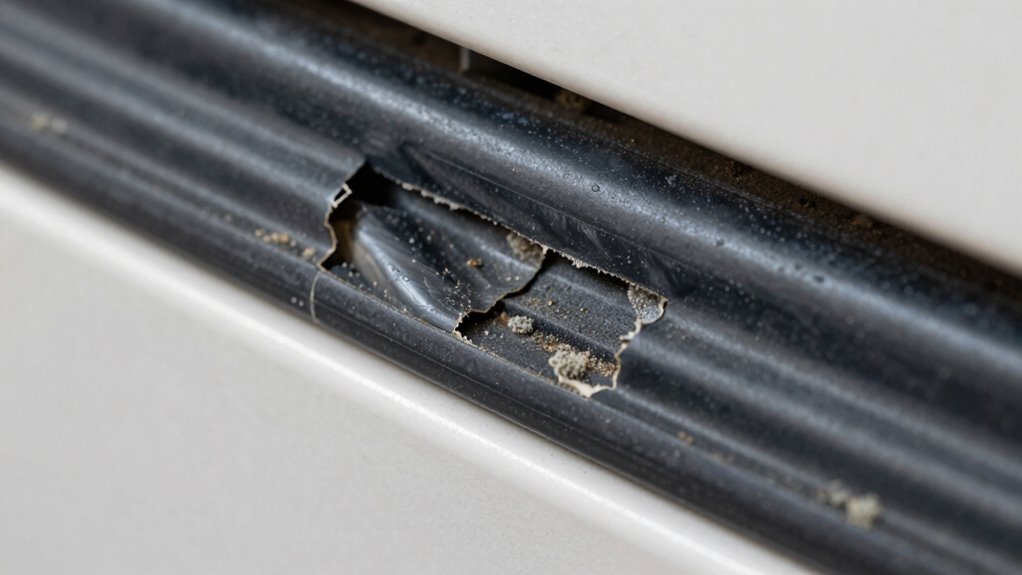

You might overlook appliance seals, but they play a crucial role in your home’s efficiency, health, and savings. Damaged or worn seals cause appliances to work harder, increasing energy bills and risking costly repairs. They also prevent moisture buildup that can lead to mold, affecting indoor air quality and your family’s health. Paying attention to seals now can save you money and hassle later—keep going to find out how simple maintenance can make a big difference.

Get kitchen staples and gadgets delivered free with Prime
- Fast, free delivery on millions of items
- Prime Video, Amazon Music and more included
- Member-only deals all year
Key Takeaways
- Faulty seals reduce appliance efficiency, leading to higher energy bills and increased operational costs.
- Damaged seals promote mold growth, impacting indoor air quality and household health.
- Worn seals cause moisture infiltration, accelerating internal component deterioration and costly repairs.
- Regular seal maintenance prevents moisture buildup, extending appliance lifespan and ensuring safety.
- Attention to seals supports energy conservation, cost savings, and long-term household health.
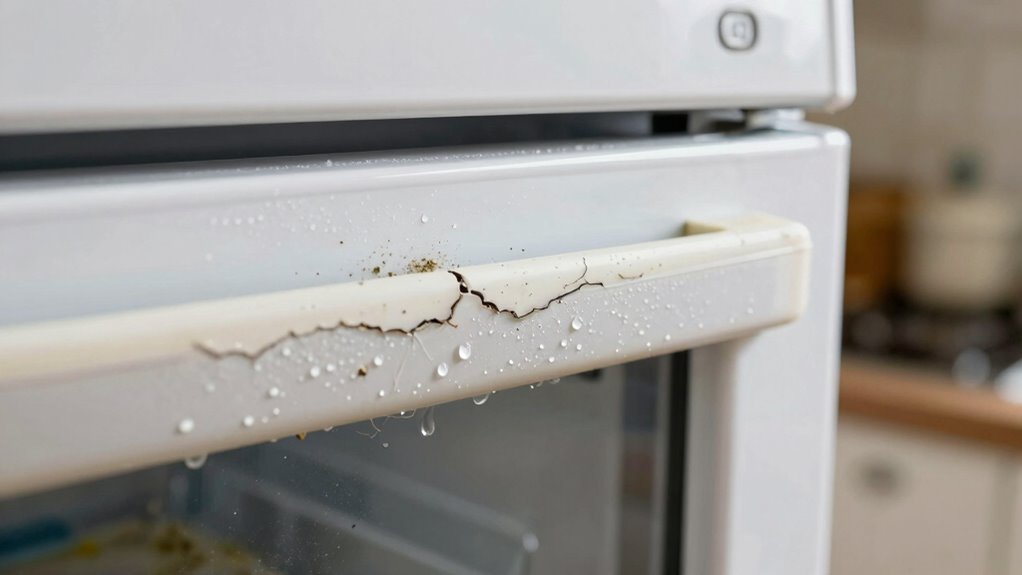
Have you ever considered how much a simple appliance seal can influence your household’s efficiency and safety? Many people overlook these small components, but they play a vital role in keeping your appliances running smoothly. A well-maintained seal guarantees your refrigerator, oven, dishwasher, or washing machine operates at peak performance, saving you money on energy bills and preventing costly repairs. When appliance seals deteriorate or become damaged, your appliances lose their ability to contain heat, cold, or moisture effectively. This can lead to increased energy consumption because the appliance has to work harder to maintain the desired temperature, directly impacting your energy efficiency. In addition, these compromised seals can let in air or moisture, which not only reduces efficiency but also fosters the perfect environment for mold to develop. Proper maintenance of seals ensures your appliances stay efficient and safe.
Mold prevention is another compelling reason to pay attention to your appliance seals. When seals fail, they often allow excess moisture to seep into crevices or behind panels, creating a damp environment that mold spores love. Once mold begins to grow, it can spread quickly, causing health issues such as allergies, respiratory problems, or asthma flare-ups. Regularly inspecting and replacing worn or damaged seals keeps moisture out and hampers mold growth, protecting your household’s health. It’s easy to forget how much unseen moisture can accumulate behind appliances, but a faulty seal can turn into a breeding ground for mold within just a few days. Additionally, air and moisture infiltration can contribute to the deterioration of internal components, leading to more extensive repairs over time. Recognizing the importance of seals can help homeowners avoid costly repairs and health risks associated with mold and moisture buildup. Regularly checking your appliance seals can also improve indoor air quality, preventing the spread of mold spores and allergens throughout your home. Regular inspections can also help you identify early signs of wear, prolonging the lifespan of your appliances and ensuring they operate efficiently for years to come.
refrigerator door seal replacement
As an affiliate, we earn on qualifying purchases.
As an affiliate, we earn on qualifying purchases.
Frequently Asked Questions
How Often Should I Replace Appliance Door Seals?
You should replace appliance door seals when you notice signs of wear, damage, or leaks, typically every 3 to 5 years, depending on seal material. Regularly inspecting the seal material for cracks or gaps helps determine replacement frequency. Don’t wait until it fails completely; timely replacement guarantees your appliance stays energy-efficient and prevents costly repairs. Maintaining good seal condition keeps your appliance running smoothly and extends its lifespan.
Can Damaged Seals Affect Energy Efficiency?
Damaged seals can considerably impact energy efficiency, like a leaky faucet wasting water. When seals wear out, they let cold or hot air escape, forcing your appliance to work harder. This undermines seal maintenance efforts and wastes energy. By replacing damaged seals promptly, you conserve energy and lower utility bills. Proper seal care ensures your appliance runs smoothly, saving you money and helping protect the environment through better energy conservation.
Are There DIY Methods to Repair Appliance Seals?
Yes, you can perform DIY repair and seal maintenance on appliance seals. Start by cleaning the seals with warm, soapy water to remove dirt and debris. For minor tears or cracks, use a strong adhesive or silicone sealant designed for appliances. If seals are severely damaged, replacing them is often more effective. Regular DIY maintenance helps keep your appliances running efficiently and prevents energy loss caused by faulty seals.
What Signs Indicate a Seal Is Failing?
You’ll notice a failing seal when your appliance’s seal material shows cracks, tears, or mold. Water leaks, increased energy bills, or frost buildup also signal trouble. Ironically, these signs often appear long before you think about replacement frequency. Ignoring these clues lets minor issues turn into major repairs, reminding you that even the tiniest crack in the seal can lead to bigger problems down the line.
Do Different Appliances Require Different Types of Seals?
Yes, different appliances require different types of seals. You need to take into account seal materials like rubber, silicone, or neoprene, as each suits specific environments and temperatures. Compatibility considerations are vital because not all seal materials work well with every appliance’s chemicals or moisture levels. By choosing the right seal material for your appliance, you guarantee maximum performance, durability, and safety. Always check manufacturer recommendations for the best fit.
As an affiliate, we earn on qualifying purchases.
Conclusion
So, next time your fridge acts up or your dishwasher leaks, don’t just shrug it off. Remember, those tiny appliance seals are like the unsung heroes of your home — quietly doing their job until they don’t. Ignoring them is basically inviting chaos. Give these humble seals a little TLC, or you’ll be the star of your own disaster sitcom. Trust me, your appliances (and your laundry room) will thank you.
As an affiliate, we earn on qualifying purchases.
As an affiliate, we earn on qualifying purchases.
NFL season / tailgating Picks
team gear
As an affiliate, we earn on qualifying purchases.