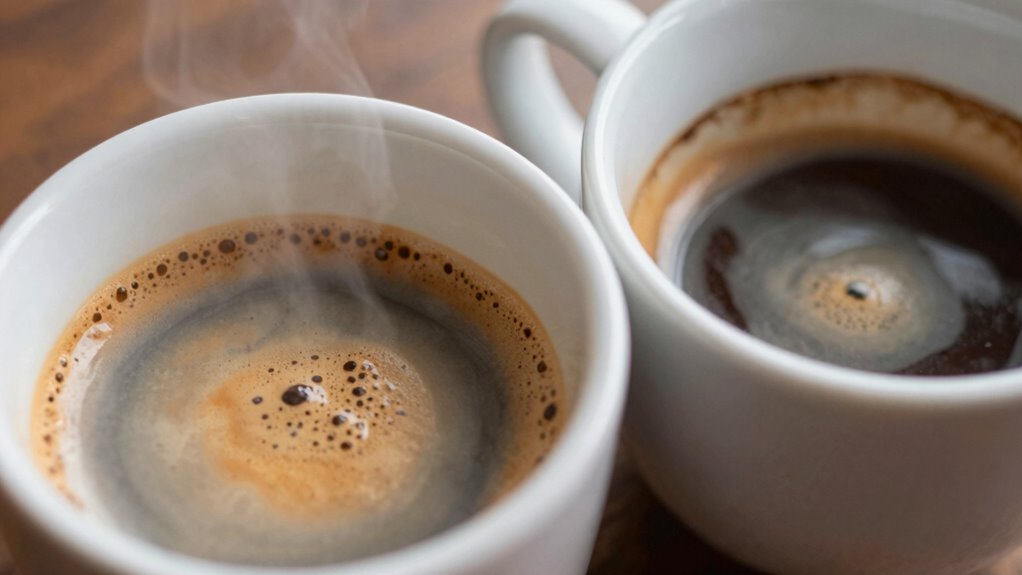

When you reheat coffee, chemical changes occur that break down aroma compounds and produce bitter or sour flavors. Heat causes volatile compounds responsible for aroma to evaporate or transform, making the flavor dull and flat. Oxidation speeds up, further degrading taste and adding a stale, cardboard-like quality. These chemical shifts worsen with each reheat, making your coffee less flavorful. Want to understand how these reactions happen and how to keep your brew fresh? Keep exploring to find out more.

Get kitchen staples and gadgets delivered free — and shop member deals
- Fast, free delivery on millions of items
- Access to Prime Big Deal Days deals on October 6–7
- Prime Video, Amazon Music and more included
Key Takeaways
- Reheating causes volatile flavor compounds to evaporate, dulling the coffee’s aroma and taste.
- Chemical reactions during reheating produce bitter or sour compounds that worsen flavor.
- Oxidation accelerates with reheating, leading to stale, cardboard-like flavors.
- Heat breaks down acids and alters molecular structures, resulting in flavor degradation.
- Repeated reheating intensifies chemical changes, reducing overall coffee freshness and quality.
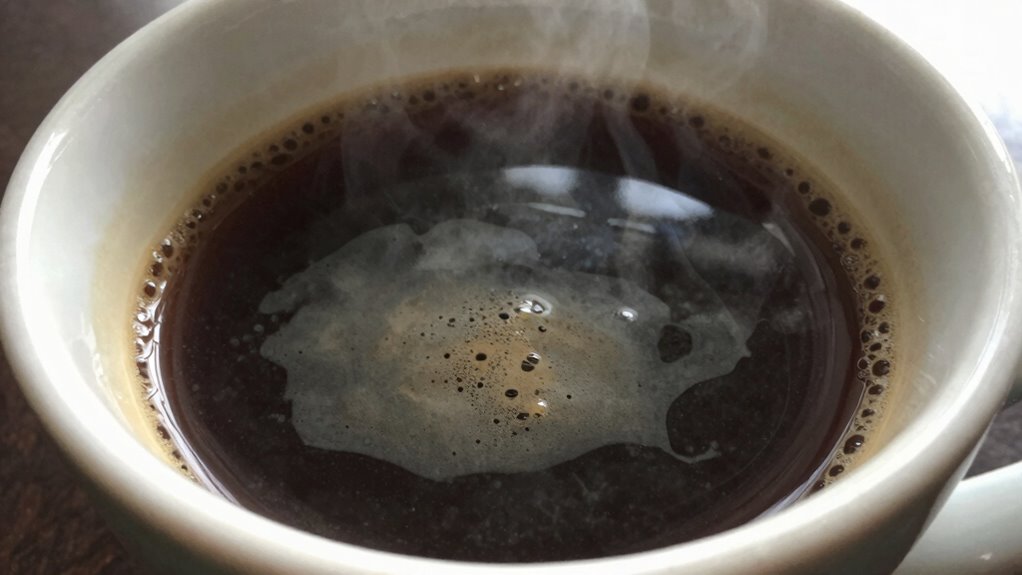
Many coffee lovers notice that reheated coffee just doesn’t taste as good as when it’s freshly brewed, and there’s a scientific reason behind this disappointment. When you reheat coffee, the flavor degrades, meaning it loses some of its original richness and complexity. This isn’t just about personal preference; it’s rooted in chemical changes that occur during the reheating process. As coffee cools and then warms again, its chemical composition shifts, impacting the overall taste and aroma you experience.
The core issue lies in the breakdown of aromatic compounds responsible for coffee’s vibrant flavor profile. Freshly brewed coffee contains a delicate balance of volatile compounds that give it its distinctive aroma and taste. When you reheat the coffee, heat causes these compounds to evaporate or transform, reducing their presence. As a result, the coffee’s aroma becomes dull, and the flavor becomes flat or stale. You’ll notice a significant difference because the complex layers of flavor you enjoyed initially are no longer intact.
Chemical changes also lead to the formation of undesirable compounds that further degrade the taste. For example, when coffee is exposed to heat over time, acids break down and react with other molecules. This process can produce compounds that taste bitter or sour, which weren’t present in the fresh brew. The longer the coffee sits and is reheated, the more pronounced these chemical reactions become. These changes contribute to a perception of flavor degradation, making reheated coffee taste more bitter, sour, or flat.
Additionally, reheating accelerates the oxidation process, which further impacts flavor stability. Oxygen interacts with coffee compounds, further altering their structure. This oxidation not only diminishes flavor but also results in a stale or cardboard-like taste. The more you reheat your coffee, the more these chemical alterations compound, transforming what was once a vibrant drink into something less appealing. Moreover, reheating can cause the volatile compounds to escape more rapidly, further diminishing the coffee’s aroma and flavor. Proper storage methods, such as keeping coffee in an airtight container, can help slow down these chemical reactions, but they cannot fully prevent the degradation.
Furthermore, the degradation of flavor compounds is closely tied to the chemical stability of coffee, which diminishes over time and with repeated heating. In essence, you’re experiencing a combination of flavor degradation and chemical changes that diminish the coffee’s original qualities. Instead of enjoying the complex, nuanced flavors of freshly brewed coffee, reheating strips away those layers, leaving behind a less satisfying cup. While it might be tempting to microwave your leftover brew for convenience, understanding these scientific processes can help you appreciate why fresh is always better. If you want the best taste, it’s worth brewing smaller amounts more frequently or savoring your coffee quickly before these chemical changes take over.
As an affiliate, we earn on qualifying purchases.
Frequently Asked Questions
Can Reheating Coffee Ever Improve Its Flavor?
Reheating coffee generally won’t improve its flavor; in fact, it often causes flavor degradation and aroma loss. When you reheat coffee, the heat breaks down delicate compounds, making it taste flat and bitter. Instead of reheating, try brewing a fresh cup or adding milk or spices to enhance the flavor of your existing coffee. This way, you preserve the aroma and enjoy a richer, more satisfying taste.
Does the Type of Container Affect Reheated Coffee’s Taste?
Yes, the container material and its temperature retention considerably affect reheated coffee’s taste. Using a metal or ceramic container helps maintain a consistent temperature, preventing rapid cooling that can alter flavor. Glass containers are also good, but plastic ones may impart unwanted flavors or odors. A well-insulating container keeps the coffee hot longer, preserving its original taste and aroma, making your reheated coffee more enjoyable.
How Does Reheating Impact Coffee’s Caffeine Content?
When you reheat coffee, caffeine degradation occurs, slightly reducing its caffeine content. The heat causes chemical changes in the coffee’s molecules, which can break down caffeine over time. However, these changes are minimal if you reheat your coffee gently and for a short period. So, while some caffeine is lost, reheating doesn’t substantially diminish the caffeine’s stimulating effects, but it can alter flavor and aroma.
Is There a Best Method to Reheat Coffee Without Ruining It?
Imagine holding a delicate, freshly picked flower—reheating coffee is like crushing its petals. To best preserve its flavor and maintain coffee freshness, reheat it gently using a stovetop or a microwave with short bursts, stirring in between. Avoid boiling or overheating, which can strip away aroma and taste. By treating your coffee like a fragile treasure, you preserve its flavor and enjoy every sip just as you would freshly brewed.
Does Reheating Coffee Affect Its Aroma and Aroma Compounds?
Reheating coffee does affect its aroma and aroma compounds, leading to aroma degradation and compound alteration. When you reheat coffee, heat causes volatile aroma compounds to evaporate or break down, diminishing its rich scent. This process alters the delicate balance of compounds responsible for flavor and aroma, making the coffee less vibrant and more flat. So, reheating coffee often results in a less aromatic experience compared to freshly brewed coffee.
As an affiliate, we earn on qualifying purchases.
Conclusion
So, next time you’re tempted to reheat your coffee, remember that those lingering oils and compounds change when heated again, often dulling the flavor. While some say it’s just a matter of preference, science suggests reheated coffee loses its fresh aroma and taste due to chemical reactions. Maybe it’s worth brewing a new cup instead of settling for that second-round disappointment. After all, fresh coffee’s aroma is worth the extra minute!
As an affiliate, we earn on qualifying purchases.
As an affiliate, we earn on qualifying purchases.
Fall Picks
fall essentials
As an affiliate, we earn on qualifying purchases.