
TL;DR

Get kitchen staples and gadgets delivered free with Prime
- Fast, free delivery on millions of items
- Prime Video, Amazon Music and more included
- Member-only deals all year
The USDA’s Food Safety and Inspection Service issued a public health alert for three Betterballen frozen meat and poultry products with undeclared allergens. Consumers who have them should not eat them; the agency says to discard the products or return them to the place of purchase. No confirmed adverse reactions have been reported.
The U.S. Department of Agriculture’s Food Safety and Inspection Service issued a public health alert for three frozen Betterballen meat and poultry products because their labels do not disclose sesame, and one beef product also contains undeclared anchovy, a fish allergen. FSIS advises consumers not to eat the products, which were sold online nationwide and may also have been sold at a festival and farmers market in Greer, South Carolina.
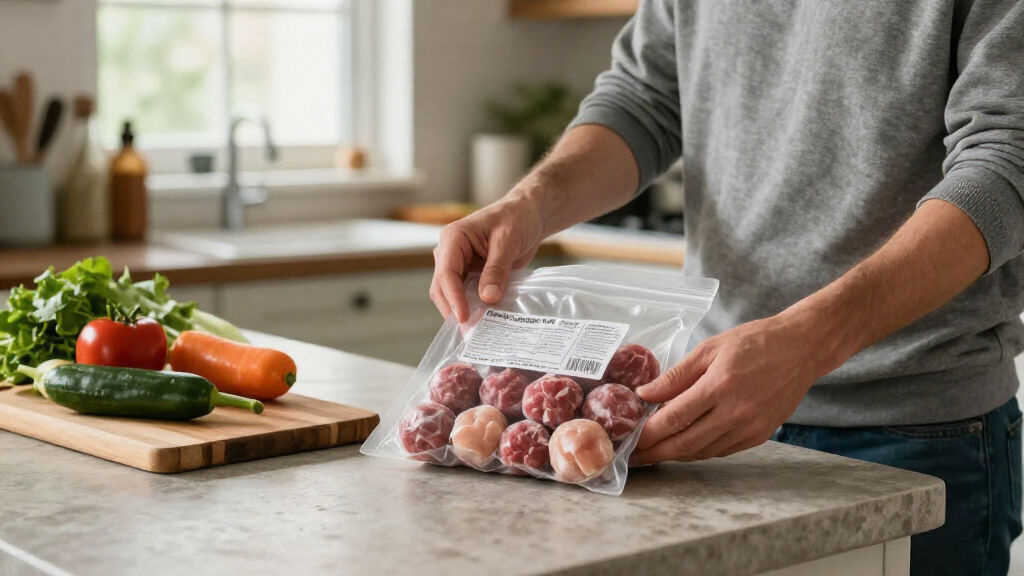
The alert covers frozen, not-ready-to-eat products produced on October 15, 16 and 27. The affected items are clear, vacuum-packed packages of six-piece Bami Rolls, lot codes BR-2026-01 and BR-2026-02; 10-piece Saté Kroketten, lot code SK-1026-01; and 12-piece Bitterballen, lot code BB-1026-01. All carry a best-by date of October 2027.
Packages can be identified by establishment number EST. M3177 or EST. P3177 inside the USDA inspection mark. The products were sold by Lowlands House through internet sales nationwide. FSIS said they may also have been sold at a festival and farmers market in Greer, SC. The agency’s notice does not provide dates or names for those in-person sales.
According to FSIS, sesame is present but not declared on the labels of the products covered by the alert. The beef product also contains Worcestershire sauce made with anchovy, which is not listed on its label. FSIS said it discovered the issue during a routine label review. It did not request a recall because the products are no longer available for purchase, but said some packages could remain in consumers’ refrigerators or freezers.
Allergen Risks for Consumers
Undeclared allergens can make packaged foods unsafe for people with allergies who rely on labels to identify ingredients. The notice specifically identifies sesame in the listed products and fish from anchovy in the beef product. Consumers who avoid either allergen should check product names and lot codes rather than relying only on the brand or package appearance.
The products are marked not ready to eat, but cooking does not address the labeling problem: the concern is the presence of ingredients that may trigger an allergic reaction, not an instruction about preparation. FSIS urges people who have purchased the affected packages not to consume them. The agency says they should be thrown away or returned to the place of purchase.
FSIS reported no confirmed reports of adverse reactions associated with these products at the time of its alert. That status does not establish that no exposure occurred; it means the agency had no confirmed reports to cite. Anyone concerned about a reaction should contact a health care provider, as FSIS advises.
Products Worth Considering

KitchenAid 13-Cup Food Processor, Contour Silver

Breville Smart Grinder Pro Conical Burr Coffee Grinder, Brushed Stainless Steel

Le Creuset Enameled Cast Iron Round Bread Oven, 9.5-Inch, Cerise
As an affiliate, we earn on qualifying purchases.
How FSIS Identified the Label Issue
FSIS is the USDA agency responsible for inspection and food-safety oversight of meat, poultry and certain egg products. In this case, the agency said the problem came to light through a routine review of product labels. Its alert describes the issue as misbranding and undeclared allergens, rather than reporting a confirmed illness outbreak.
The products were produced on three dates in October 2026 and carry the same October 2027 best-by month. Their lot codes differ by product: BR-2026-01 and BR-2026-02 for Bami Rolls, SK-1026-01 for Saté Kroketten, and BB-1026-01 for Bitterballen. The establishment numbers appear inside the USDA inspection mark and provide another way to compare a package with the alert.
FSIS said it did not request a recall because the products are no longer available for purchase. The agency nevertheless issued a public health alert because packages could still be stored at home. The notice does not say that the products were removed from consumers’ possession or that every package has been accounted for.
“Consumers who have purchased these products are urged not to consume these products.”
— U.S. Department of Agriculture’s Food Safety and Inspection Service
Scope of Sales and Exposure
The notice does not identify the festival or farmers market where the products may have been sold in Greer, nor does it specify when those sales took place. It also does not state how many packages were produced or distributed, how many may remain with consumers, or whether any have been returned or discarded.
FSIS has not reported confirmed adverse reactions, but its alert does not establish whether anyone consumed the products without reporting a reaction. The agency’s information identifies the undeclared ingredients and affected lots; it does not give details about the amount of sesame or anchovy in each product. Readers should use the product name, lot code and establishment number to identify packages covered by the notice.
The source material does not provide a contact number or a further update schedule. It also does not say whether additional products or lots are under review. Those details remain unconfirmed in the available notice.
Steps for Affected Households
Consumers should check their freezers and refrigerators for the three listed Betterballen products and compare the package details with the alert. Anyone who finds a matching package should not eat it; FSIS advises discarding it or returning it to the retailer. If the package was purchased online, consumers can contact the seller about return arrangements, though the notice does not specify a particular process.
People who believe they have had an allergic reaction after eating one of the products should contact a health care provider. FSIS’s notice says there were no confirmed reaction reports at the time of publication, and it does not announce a recall or a further deadline for consumer action.
Further developments could include additional information from FSIS or the seller about distribution, returns or the possible Greer sales. Until then, the agency’s stated guidance applies to the identified products and lots: do not consume them, and discard or return any package that matches the alert.
Key Questions
Which Betterballen products are covered by the alert?
The alert lists six-piece Bami Rolls, 10-piece Saté Kroketten and 12-piece Bitterballen. Each has a best-by date of October 2027; check the lot codes in the alert and the establishment number inside the USDA inspection mark.
What allergens are not declared on the labels?
Sesame is not declared on the affected products’ labels. The beef product also contains Worcestershire sauce with anchovy, a fish allergen, which is not declared.
What should I do if I have one of these products?
Do not eat it. FSIS advises consumers to throw it away or return it to the place of purchase.
Have any illnesses or allergic reactions been confirmed?
FSIS said there were no confirmed reports of adverse reactions when it issued the alert. Anyone concerned about a reaction should contact a health care provider.
Why did FSIS issue an alert instead of requesting a recall?
FSIS said the products were no longer available for purchase, so it did not request a recall. It issued an alert because packages could still be in consumers’ homes.
Source: foodsafetynews.com