TL;DR
A Thanksgiving roasting pan is a sturdy, oven-safe pan for a large roast—often a turkey—and its drippings. Choose by the turkey’s dimensions and your oven’s clearance, then weigh material, rack, handles, and stovetop compatibility against how you plan to cook and clean up.
The turkey fits the pan. The pan does not fit the oven. It is a classic holiday problem, and one you can avoid by measuring before you buy.

Get kitchen staples and gadgets delivered free with Prime
- Fast, free delivery on millions of items
- Prime Video, Amazon Music and more included
- Member-only deals all year
Thanksgiving roasting pans come in different sizes, materials, shapes, and weights. A roasting pan is a sturdy, oven-safe pan designed to hold a large roast—often a turkey—and catch its juices. You don’t need a fancy model; you need one that suits your bird, your oven, and what you want to do with the drippings.
This guide walks you through fit, materials, racks, safe handling, and cleanup. For example, if you plan to make gravy in the pan, a durable model approved for your stovetop may save you a dish. If you roast once a year, a simpler pan that stores easily may make more sense. A few key facts and measurements can keep your holiday cooking calm while the oven hums and the kitchen fills with savory aromas.
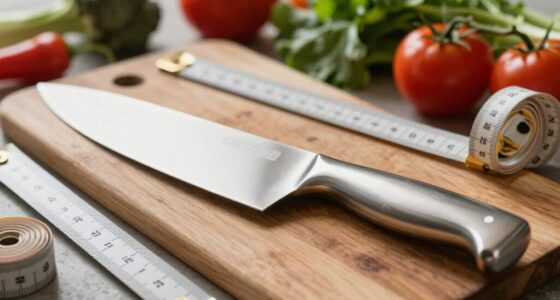
Measure your oven, rack, turkey, and the pan’s outside dimensions before buying.
Choose a broad, moderately deep pan that catches drippings without crowding the bird.
Use a fitted rack or sturdy vegetables to keep the turkey above pooled juices.
Check the pan’s temperature, cleaning, and stovetop instructions before cooking.
Support a disposable aluminum pan with a rigid baking sheet before adding the turkey.
Choose a pan that fits both your turkey and your oven
A Thanksgiving roasting pan should hold your turkey with a little open space around it and still sit flat on your oven rack with the door shut. Check the pan’s outside length, width, and height; “large” and “turkey-sized” are not standardized labels. That simple measurement can spare you the sight of a pan wedged against the oven walls on Thanksgiving morning.
Measure the inside of your oven, including the usable rack area and clearance near the door. Then compare those numbers with the pan’s exterior dimensions. Leave room for hot air to move around the bird, and think about how you will lift the pan when it is loaded. A pan that barely slides in empty may become awkward to maneuver with a heavy turkey and vegetables.
For example, imagine you buy a deep pan online because it promises plenty of room for a 20-pound turkey. Before ordering, check that the handles fit inside your oven too. If the pan crowds the sides or blocks airflow, it can be harder to roast evenly and harder to pull out safely.
Measure first, then choose capacity. Look at the turkey’s dimensions, not only its weight, and check the manufacturer’s stated pan capacity. Your oven and your grip matter as much as the bird. Next, think about what the pan is made of, because materials change how it cooks and cleans.
Products Worth Considering

Instant Pot InstantChill Ice Cream Maker with Rolled Ice Cream Plate, 2-Pint Capacity

Ninja CREAMi Scoop & Swirl Ice Cream and Soft Serve Maker, 13 Programs, 4 Pints, NC701

Vitamix 5200 Blender with 64 oz Container, Black
As an affiliate, we earn on qualifying purchases.
Pick a material that matches your browning and cleanup plans
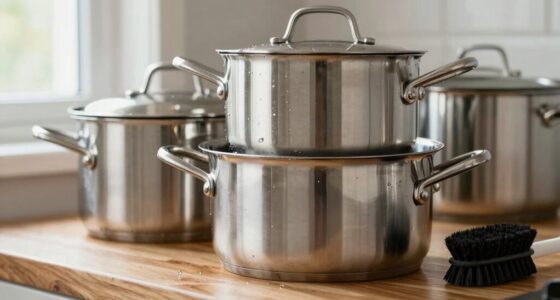
Thanksgiving roasting pans come in several materials, and each suits a different kitchen routine. Stainless steel is durable and often works well for browning and pan gravy. Heavy-gauge aluminum heats efficiently, while enamel-coated steel and nonstick pans can make cleanup easier. Your choice depends on whether you prize durability, easy release, stovetop use, or low-effort washing.
Stainless steel is a practical option if you want to scrape up browned bits and build gravy in the pan, provided the manufacturer approves it for your burner. Nonstick can release food with less fuss, but coatings can scratch and may have temperature limits. Use the stated oven-temperature limit and suitable utensils; don’t assume every coating handles the same heat. Enamel cleans readily, yet a chip can expose the surface beneath, so handle it carefully.
Aluminum heats quickly and can be a good choice, but uncoated aluminum may react with acidic ingredients. If you plan to roast tomatoes or add wine or citrus to the pan, check whether the pan is coated or clad and follow its care instructions. That detail matters when your drippings are meant for gravy, not an unexpected metallic taste.
A pan you use for brisket in March and roasted vegetables in October may justify a sturdier, versatile material. If you roast a turkey once a year and have limited storage, a simpler option may suit you better. Whatever you choose, read the care and temperature instructions before cooking. The shape and depth bring their own tradeoffs.
Get the right depth for browning without losing the drippings
A broad, moderately deep roasting pan gives heat room to reach the sides of the bird while catching fat and juices. Very tall sides can shelter the turkey’s lower portions from heat and impede browning; a very shallow pan can let hot drippings spill. The useful middle ground keeps the turkey supported without building a wall around it.
Consider a small example: you want golden skin and enough juices for gravy. A pan with low-to-moderate sides gives you space to collect drippings while leaving more of the turkey exposed. If the sides rise too high, the lower bird may brown differently from the breast, and reaching in with a baster can feel like working down a narrow well.
Check that the pan’s base is broad enough for the turkey and any vegetables you plan to roast. Leave a little room rather than packing aromatics tightly against the bird. Onion, carrot, and celery can add flavor to the drippings, but a crowded pan may hold steam and make browning less even.
Depth is a tradeoff: it needs to contain juices without crowding the roast. Think about whether you will add vegetables, pour off liquid, or make gravy. A pan can be deep enough to catch drippings and still broad enough to expose the bird to oven heat. Now decide whether a rack will help you meet that goal.
Use a rack to lift the turkey, or make a sturdy vegetable bed
A roasting rack lifts the turkey above the pan juices, helping it brown underneath and making drippings easier to collect. It is convenient, but not essential. If your pan has no rack, a bed of sturdy vegetables can hold the bird up and add savory flavor to the juices.
A rack also gives hot air more room to circulate beneath the turkey. Think of it like raising a loaf of bread on a cooling rack instead of leaving it in a puddle: the underside gets a chance to dry and brown. A rack that fits your pan securely is useful; one that shifts when you set down the turkey adds a handling problem at the worst possible moment.
For a no-rack setup, cut onions, carrots, and celery into large, sturdy pieces and arrange them across the pan’s base. Set the turkey on top so it stays above most of the liquid. Smaller vegetables may collapse as they soften, so use pieces large enough to support the bird through roasting. Check the pan periodically and follow a reliable turkey recipe for cooking time and temperature.
Either approach can work. The goal is to avoid leaving the turkey sitting in a deep pool of juices while still catching the drippings. When the bird is done, the next challenge is lifting the full pan without a wobble or splash.
Handle a hot, heavy pan safely from oven to counter
Secure, oven-safe handles and a realistic lifting plan make a loaded roasting pan safer to move. A turkey, vegetables, the pan, and hot juices can create a heavy, awkward load. Look for handles large enough to grip with oven mitts, and check the manufacturer’s instructions for oven-temperature limits and stovetop use.
Before cooking day, confirm that you have a clear path from oven to counter. Move the gravy boat, cutting board, and stray serving plates out of the way. If the pan feels unwieldy, ask another adult to help steady it; coordination matters more than bravado when a pan full of hot liquid starts to sway.
Disposable aluminum pans need extra care. A thin foil pan can flex under a turkey’s weight, so set it inside a rigid baking sheet or sturdy pan before adding the bird. For example, carry the baking sheet by its solid edges instead of trying to pinch the foil pan’s rim with mitts. This support can help prevent bending and spills.
Plan your route before the roast goes in. Keep children and pets away from the hot path, use dry oven mitts, and set the pan on a heat-safe surface. Never rely on a handle that feels loose or a pan that wobbles. Once the turkey rests, you can think about gravy—but first check whether your pan belongs on the stovetop.
Check stovetop compatibility before you make pan gravy
You can make gravy in a roasting pan only if the manufacturer approves it for your specific stovetop and burner type. Oven-safe does not automatically mean stovetop-safe. Some pans may work on certain burners but not induction, so check the care instructions before setting a hot pan over a flame or element.
A stainless steel pan that the manufacturer approves for your stovetop can let you scrape browned bits into the gravy directly. Those dark, savory flecks loosen with a splash of stock and make the kitchen smell like Thanksgiving. If your pan is not approved, transfer the drippings to a suitable saucepan and continue there. The extra dish is easier to manage than a warped pan or an unevenly heated surface.
Before the holiday, read the product specifications for stovetop compatibility, including induction if relevant. Don’t judge by appearance or by the pan’s oven rating alone. If the instructions are unclear, use a saucepan. A pan that bridges two burners may distribute heat unevenly, so follow the manufacturer’s guidance rather than improvising with a powerful burner.
Gravy is only one part of the decision. If you want a roasting pan you can use for brisket, vegetables, or other roasts, consider how it stores and cleans too. A pan earns its cupboard space when you know what you’ll cook in it beyond Thursday.
Make cleanup and storage part of the purchase
A useful Thanksgiving roasting pan should be manageable after the meal, not only impressive before it. Check whether its rack comes out, whether the pan fits your sink, and whether the manufacturer allows a dishwasher or abrasive scrubber. A wide, heavy pan that cannot fit under your tap can turn cleanup into a second kitchen project.
For stuck-on drippings, let the pan cool enough to handle, then follow its care instructions. Soaking with warm water and dish soap can loosen residue. Nonstick and enamel surfaces can scratch or chip, so avoid abrasive scrubbers on those finishes. A stainless steel pan may tolerate more vigorous cleaning, but the manufacturer’s guidance still comes first.
Storage counts too. If you have one narrow cupboard, measure its shelf before buying a tall pan with fixed handles. A removable rack may make the pan easier to store and wash. On the other hand, a durable pan that also handles brisket or roasted vegetables may be worth keeping accessible year-round.
Before ordering, work through this short checklist:
- Measure the oven, rack, pan exterior, and turkey.
- Check material, temperature limit, care instructions, and burner compatibility.
- Inspect handles, rack fit, and how the loaded pan will move.
- Plan where you will wash and store it after dinner.
Those checks make online shopping more useful than relying on product names or polished photos. You can compare actual dimensions and features against your kitchen. One final choice depends on how often you expect to roast.
Spend according to how often you roast
The right pan does not have to be elaborate; it has to suit your cooking habits. If you roast large cuts several times a year, a durable pan with solid handles and a removable rack may earn its place. If Thanksgiving is your only turkey day, a simpler oven-safe pan—or a properly supported disposable pan—may be a better fit for your budget and cupboard.
Think about a household that hosts a big dinner every November but otherwise cooks for two. A pan that stores awkwardly and sees one day of use may not be worth an upgrade. Another household might roast vegetables in it every weekend, making sturdy construction and easy washing more valuable. The better purchase changes with the number of meals you’ll actually cook.
When comparing products, focus on specifications that affect real use: outside dimensions, stated capacity, material, weight, handle shape, rack design, oven limit, burner compatibility, and care. Online product names and availability change, and “turkey-sized” tells you less than a measurement you can compare with your oven. Verify current manufacturer details before buying.
Match the pan to your calendar and cupboard. A versatile model can do more than one job, but only if it fits your oven and cleanup routine. You now have the main criteria; the FAQs below cover the common edge cases, including disposable pans and glass dishes.
Frequently Asked Questions
What size roasting pan do I need for a Thanksgiving turkey?
Choose a pan that fits the turkey’s dimensions with some room around it, then compare the pan’s outside dimensions with your oven rack and door clearance. Labels such as “large” are not standardized, so check the manufacturer’s stated capacity and measurements.
Can I roast a turkey without a rack?
Yes. Set the turkey on a bed of large, sturdy vegetables such as onion, carrot, and celery so it sits above most of the juices. The aim is to keep the bird from resting in a pool of liquid.
Is stainless steel or nonstick better for a roasting pan?
Stainless steel is durable and can work well for browning and gravy when the manufacturer approves it for your burner. Nonstick can make food release and cleanup easier, but check its oven-temperature limit and use utensils that won’t scratch the coating.
Can I use a roasting pan on the stovetop to make gravy?
Only if the manufacturer says the pan is safe for your specific stovetop, including induction if that is your burner type. Otherwise, transfer the drippings to a suitable saucepan and make the gravy there.
Can a disposable aluminum pan hold a turkey?
It can, but thin foil pans may flex when full. Set the disposable pan inside a rigid baking sheet or another sturdy pan before adding the turkey, and lift the rigid support when moving it.
Can I use a glass or ceramic dish instead of a roasting pan?
Use one only if its size and manufacturer’s instructions suit the roast and cooking method. Glass and ceramic can heat differently from metal, and they may not be suitable for stovetop gravy.
Conclusion
Measure first, then buy for the way you cook. A pan that fits your turkey and oven, has handles you can grip with mitts, and matches your gravy and cleanup plans will serve you better than one chosen by a “turkey-sized” label.
On Thanksgiving, the best pan is the one that moves steadily from oven to counter while the kitchen smells of roast turkey and warm gravy. Let those measurements guide your choice, and dinner can take center stage.