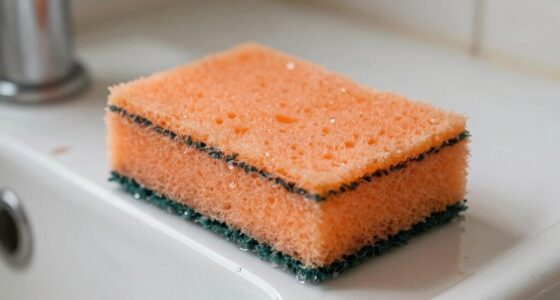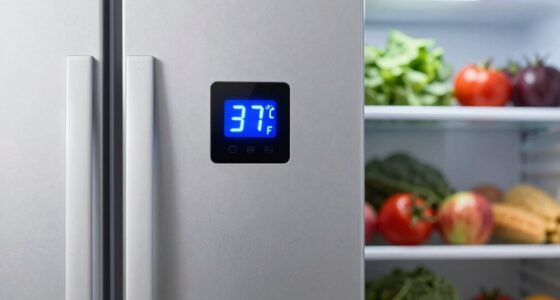
Relying on how food looks isn’t enough because harmful bacteria, viruses, and other microbes aren’t visible to the naked eye. Just because food appears fresh or clean doesn’t mean it’s safe to eat. Visual checks can miss dangerous contamination, leading to foodborne illnesses. Scientific testing methods reveal hidden microbes before they cause harm. Stay informed—there’s more to uncover about how proper testing can keep you safer.

Get kitchen staples and gadgets delivered free — and shop member deals
- Fast, free delivery on millions of items
- Access to Prime Big Deal Days deals on October 6–7
- Prime Video, Amazon Music and more included
Key Takeaways
- Visual cues cannot detect invisible microbes like bacteria or viruses that cause illness.
- Food may appear fresh but still harbor dangerous pathogens unseen to the naked eye.
- Relying solely on appearance ignores the risk of cross contamination and microbial presence.
- Scientific testing methods are needed to accurately identify microbial contamination.
- Assuming food is safe based on looks alone increases the risk of foodborne illnesses.
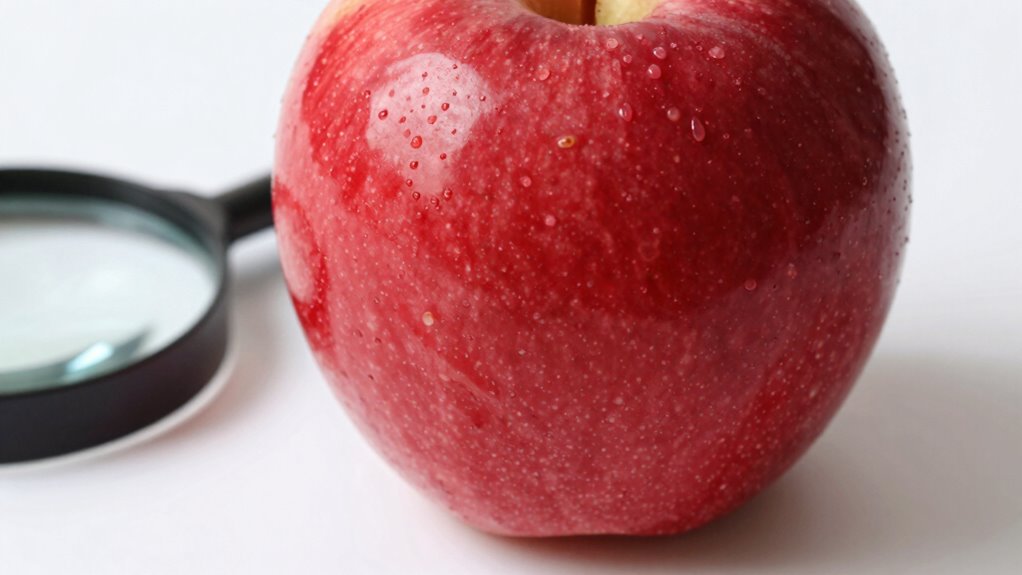
When it comes to food safety, relying solely on your eyes can be misleading. Just because a piece of meat looks fresh or a salad appears clean doesn’t mean it’s free from harmful bacteria or other pathogens. Visual cues are limited; they can’t reveal microbial contamination that’s invisible to the naked eye. This is where cross contamination risks become a serious concern. Even if food looks fine, it might have come into contact with raw meats, contaminated surfaces, or improperly stored items that harbor bacteria. These risks aren’t always obvious, making visual inspection an unreliable method for ensuring safety.
Visual checks alone can’t detect hidden bacteria; always use proper testing to ensure food safety.
To truly protect yourself, you need to understand microbial detection methods. These are scientific techniques designed to identify bacteria, viruses, and other microorganisms that cause foodborne illnesses. Standard visual checks can’t detect these invisible threats, but microbial detection methods can. They include rapid testing kits, culture-based tests, and molecular techniques like PCR (polymerase chain reaction). These methods help identify contamination early, often before any signs of spoilage or illness appear. Relying solely on “looks fine” leaves you vulnerable to outbreaks of foodborne illnesses caused by bacteria like Salmonella or Listeria, which can be deadly or cause severe health issues. Proper microbial detection techniques are crucial for accurate assessment and prevention.
Thinking that food is safe because it doesn’t look spoiled is a dangerous misconception. Many pathogens don’t alter the appearance, smell, or taste of food. You may have encountered foods that seem perfectly fine but still harbor dangerous microbes. That’s why proper testing is essential, especially in commercial food production or when preparing large meals at home. Using microbial detection methods ensures that contaminated food is identified and discarded, reducing the risk of cross contamination risks spreading bacteria to other foods or surfaces. Incorporating scientific testing methods also helps identify microbial contamination, which is often invisible to the naked eye but can cause serious health issues. Understanding food safety testing procedures is vital to prevent outbreaks and safeguard public health. Additionally, relying on visual inspection alone can lead to serious oversights, emphasizing the importance of scientific validation in food safety protocols. Being aware of the limitations of visual cues and utilizing scientific testing methods can make a significant difference in maintaining food safety standards.
As an affiliate, we earn on qualifying purchases.
Frequently Asked Questions
Can Bacteria Be Present Without Visible Signs?
Yes, bacteria can be present without visible signs. Microbial detection methods are essential because contamination indicators often show no outward signs of spoilage or danger. Relying solely on appearance can be misleading, as harmful bacteria might be hidden. You should use proper testing techniques to identify microbial presence, ensuring food safety. Remember, food may look fine but still pose health risks if bacteria are undetected.
What Are the Common False Positives in Visual Inspections?
A false positive is like a wolf in sheep’s clothing—you think everything’s fine, but it’s not. During visual inspections, color inconsistencies and packaging damages often lead to false positives, making you believe food is unsafe when it’s actually fine. Relying solely on visuals can mislead you, so it’s best to combine inspections with other tests to guarantee food safety and avoid unnecessary waste or recalls.
How Often Should Food Safety Tests Be Conducted?
You should conduct food safety tests regularly, ideally daily or per your industry standards, to guarantee safety. Incorporate food testing innovations like advanced microbial detection techniques, which provide quicker and more accurate results. Regular testing helps catch contamination early, reducing health risks. Stay updated on new methods and adapt your testing frequency based on food type, production volume, and regulatory requirements to maintain high safety standards.
Are There Faster Alternatives to Visual Food Safety Checks?
Did you know that sensory analysis and chemical testing can provide faster food safety results? You can rely on these methods instead of visual checks, which often miss hidden issues. Sensory analysis quickly detects odors or textures indicating spoilage, while chemical testing identifies contaminants rapidly. These methods save time, improve accuracy, and help you guarantee food safety more efficiently—giving you peace of mind without lengthy delays.
What Are the Health Risks of Relying Solely on Appearance?
Relying solely on appearance risks overlooking bacteria or toxins invisible to your senses. Visual cues and sensory perception don’t detect pathogens like Salmonella or Listeria, which can cause serious illness. You might see food looks fine, but it’s still unsafe. Ignoring microbiological safety increases your risk of foodborne infections, leading to symptoms like nausea, diarrhea, or worse. Always combine visual checks with proper cooking and handling practices for safer food.
As an affiliate, we earn on qualifying purchases.
Conclusion
Don’t rely on appearances alone. Don’t trust that food looks fine, smells fine, or feels fine—because appearances can deceive, smells can hide problems, and textures can mask issues. Instead, prioritize proper testing, proper procedures, and proper safety measures. Because your health depends on it, because your safety matters, because thorough checks matter more than surface impressions. Remember: looks can be deceiving, but safety should never be compromised. Always test thoroughly, always verify properly, always stay vigilant.
As an affiliate, we earn on qualifying purchases.
As an affiliate, we earn on qualifying purchases.
Halloween Picks
halloween
As an affiliate, we earn on qualifying purchases.