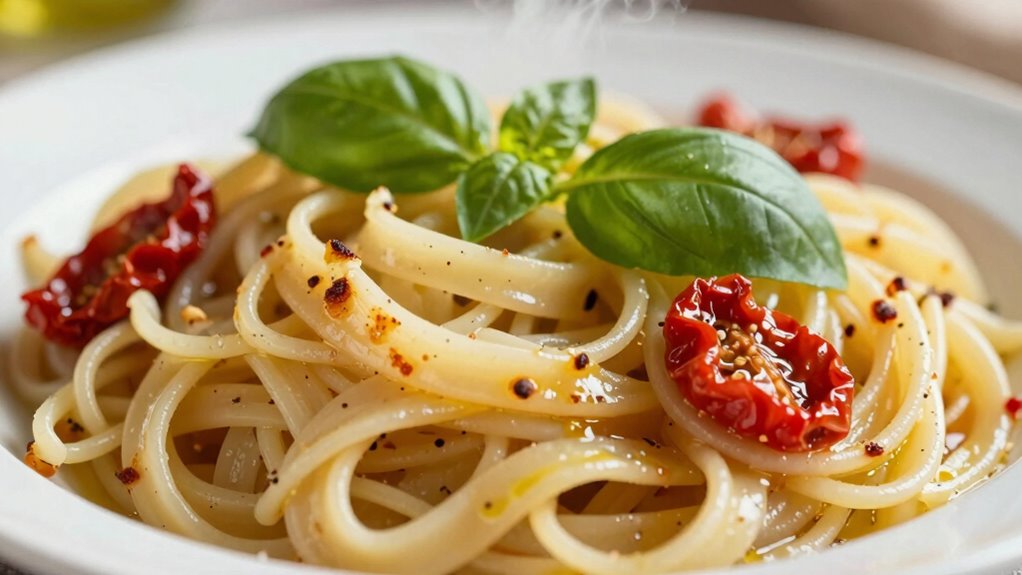

To make reheated food taste fresh again, focus on restoring its original texture by choosing the right reheating method. Use a hot oven or air fryer to bring back crispiness in fried or roasted dishes, and reheat moist foods gently on the stovetop to keep them moist without sogginess. Microwaves can cause uneven heating and sogginess, so handle leftovers carefully. Keep exploring these techniques to master the perfect reheating process that preserves genuine freshness every time.

Get kitchen staples and gadgets delivered free with Prime
- Fast, free delivery on millions of items
- Prime Video, Amazon Music and more included
- Member-only deals all year
Key Takeaways
- Reheat crispy foods in an oven or air fryer to restore their original crunch and texture.
- Avoid microwaving crispy items directly; instead, use dry heat methods for better results.
- Store leftovers in airtight containers to prevent moisture loss and preserve texture.
- Reheat moist dishes on the stovetop gently to maintain their consistency and prevent sogginess.
- Incorporate finishing touches like fresh herbs or a drizzle of oil to enhance texture and flavor after reheating.
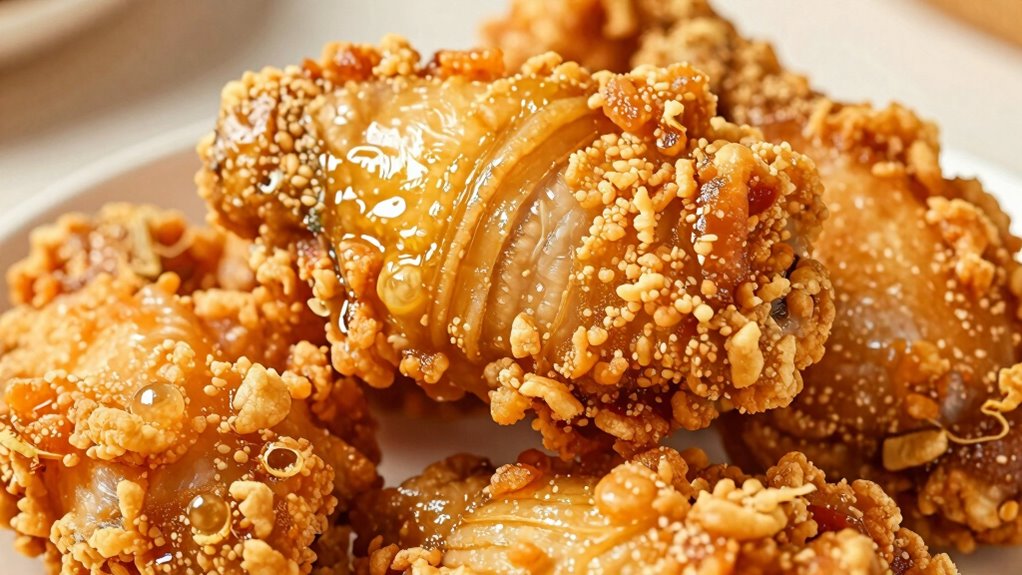
Reheating food can often change its texture, making it less appealing or even unsafe to eat. It’s frustrating when your leftovers lose their original crispness or become soggy, but understanding how to manage texture is key to bringing back that fresh taste. One crucial aspect to consider is flavor enhancement, which can be compromised when reheating alters the food’s structure. To counter this, proper storage techniques are essential. When you store leftovers correctly, you help preserve their texture and flavor, making reheating more effective and satisfying.
First, focus on how you store your food. Use airtight containers or wrap leftovers tightly with plastic wrap or aluminum foil. This prevents moisture loss or absorption of unwanted flavors from the fridge, both of which can ruin the original texture. For dishes like fried chicken or crispy vegetables, keeping them dry and separate from sauces or liquids until reheating helps maintain their crispiness. For moist dishes like stews or casseroles, storing in shallow, wide containers speeds up cooling and prevents uneven reheating, which can cause sogginess or dryness. Additionally, understanding the importance of proper food preservation techniques can greatly impact the quality of leftovers. Incorporating food safety practices in storage can also help prevent spoilage and ensure your leftovers remain fresh longer. Proper storage conditions are vital for maintaining the integrity of textures and flavors over time. Maintaining appropriate temperature control during storage is also crucial to prevent bacterial growth and preserve quality.
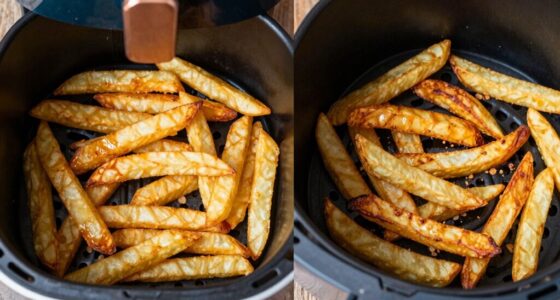
When reheating, your goal should be to restore the dish’s original texture while maximizing flavor. For items that benefit from a crispy finish, like fried foods or roasted vegetables, reheating in a hot oven or air fryer works best. The dry heat helps re-establish that satisfying crunch without making the food soggy. If you’re reheating soups or stews, a stovetop on medium heat allows for gentle warming, helping preserve their consistency and flavor. Using microwave reheating can be quick but often results in uneven heating and sogginess, so if you choose this method, do it in short bursts and stir frequently.
In addition to the right reheating method, consider flavor enhancement during the process. Adding a splash of fresh herbs, a drizzle of olive oil, or a squeeze of lemon after reheating can lift the dish’s taste, compensating for any flavor loss. Proper storage techniques are essential to maintaining the food’s original texture and flavor, ensuring that leftovers stay fresh and tasty. Remember, the right storage techniques combined with mindful reheating are what make the difference in recapturing that “just-cooked” feel and flavor. When you plan ahead and handle leftovers properly, you give yourself the best chance to enjoy reheated food that’s not only safe but also delightfully fresh and flavorful. The texture rule isn’t just about avoiding sogginess; it’s about creating a reheated meal that tastes as good as when it was first made.
air fryer for reheating crispy foods
As an affiliate, we earn on qualifying purchases.
As an affiliate, we earn on qualifying purchases.
Frequently Asked Questions
Can the Texture Rule Work for All Types of Leftovers?
The texture rule can substantially improve the flavor preservation and texture enhancement of many leftovers, but it may not work for all types. For example, crispy fried foods benefit greatly, while softer items like bread or certain casseroles might not see as much improvement. You should experiment with different leftovers to see which ones respond best to the technique, ensuring you enjoy tastier, fresher-feeling meals.
Does the Texture Rule Affect the Food’s Nutritional Value?
The texture rule mainly impacts how reheated food feels, but it doesn’t considerably affect nutritional preservation. You might notice some minor changes in texture, like crispiness or moisture, but the overall nutritional value, such as vitamins and minerals, remains largely intact. So, while the texture impact can enhance your eating experience, it doesn’t compromise the food’s nutritional content. You can enjoy reheated leftovers without worrying about losing nutrients.
How Long Should Reheated Food Be Stored Before Applying the Rule?
They say, “A stitch in time saves nine,” and that applies here. You should store reheated food in the fridge for no more than 2-3 days to guarantee food safety and ideal texture. After that, the storage duration increases the risk of bacteria growth, and the texture rule won’t work as well. So, always consume leftovers promptly to keep your meals fresh and safe.
Is There a Specific Temperature to Follow for Optimal Results?
You should aim for a temperature of around 165°F (74°C) to guarantee flavor preservation when reheating food. Following proper temperature guidelines helps lock in moisture and fresh taste, preventing overcooking or dryness. Use a food thermometer to check the internal temperature, and make sure to reheat evenly. This way, your leftovers stay delicious, with the right texture and flavor intact, every time.
Can This Rule Be Used With Frozen Leftovers Directly?
You can use this rule with frozen leftovers directly, but pay attention to your freezing techniques and storage duration. Proper freezing techniques prevent ice crystals, while shorter storage duration guarantees better texture and flavor. When reheating, follow the texture rule to restore freshness, even from frozen. Always thaw leftovers safely, ideally in the fridge, to maintain quality, then reheat promptly for the best results.
airtight food storage containers
As an affiliate, we earn on qualifying purchases.
As an affiliate, we earn on qualifying purchases.
Conclusion
Mastering the Texture Rule transforms reheated food from sad, soggy leftovers into a culinary masterpiece so divine, it’s practically reincarnated. By paying close attention to texture, you’ll reveal flavors so vibrant, they’ll make your taste buds sing with joy. No longer will reheating feel like a mundane chore; instead, it becomes an art form that elevates ordinary meals to extraordinary culinary experiences. Get ready to revolutionize your leftovers—your palate will thank you forever.
As an affiliate, we earn on qualifying purchases.
stainless steel food storage containers
As an affiliate, we earn on qualifying purchases.
As an affiliate, we earn on qualifying purchases.
Fall Picks
fall essentials
As an affiliate, we earn on qualifying purchases.