
You should stop troubleshooting and call a professional if DIY attempts keep failing, the problem persists despite multiple efforts, or you notice safety risks like electrical or plumbing hazards. If repairs become more costly or cause additional damage, it’s often best to seek expert help. Trust your instincts—when your skills reach their limit or safety is at stake, it’s time to get professional assistance. Keep going to learn more about recognizing the right moment to ask for help.
Key Takeaways
- DIY attempts fail after multiple tries without resolving the issue.
- Safety hazards or risks are present, such as electrical or plumbing dangers.
- The problem persists despite troubleshooting efforts and causes ongoing frustration or costs.
- You lack the necessary skills, tools, or knowledge to properly diagnose or repair the issue.
- Signs indicate potential damage or hazards that could worsen with further DIY attempts.

Troubleshooting can be satisfying when you find the solution, but there comes a point when it’s clear that professional help is necessary. You might start with DIY fixes, trying to solve the problem on your own to save time and money. It’s natural to want to handle issues yourself, especially if you think the problem isn’t severe or if you’re confident in your skills. However, as you dig deeper, you’ll notice certain signs that suggest it’s best to stop troubleshooting and call in a professional. One key indicator is when your efforts aren’t resolving the issue despite multiple attempts. If your DIY fixes don’t lead to a clear solution or if the problem persists, it’s a good sign that expert intervention is needed.
Cost considerations also play a significant role in deciding when to stop troubleshooting. While trying to fix something yourself can seem cost-effective initially, you might end up spending more time, money, and frustration if the problem worsens or isn’t fixed properly. Sometimes, ongoing attempts to resolve the issue can cause additional damage, leading to more expensive repairs down the line. If you find yourself repeatedly purchasing tools, replacement parts, or spending hours on troubleshooting without success, it’s worth weighing whether professional help could be be more economical in the long run. Professionals have specialized tools, experience, and knowledge that can quickly identify and fix complex issues, often saving you money compared to multiple failed DIY efforts. Recognizing your own skill level is essential to avoid escalating problems or creating new ones.
Repeated DIY attempts can cost more in tools, time, and repairs—consider professional help for long-term savings.
Another factor to consider is safety. Certain problems—like electrical issues, plumbing leaks, or mechanical failures—can pose risks if not handled properly. If the problem involves potential hazards, it’s wise to stop trying to fix it yourself and seek professional assistance. Attempting risky repairs without proper training can lead to injury or further damage, increasing the overall cost and complexity of fixing the problem. Additionally, if you’re unsure about the root cause of the issue or if your attempts keep leading to temporary fixes rather than permanent solutions, it’s a signal to step back and get professional help. Experts can diagnose underlying problems more accurately and provide lasting solutions, preventing future breakdowns. Knowing when to know your limits can prevent unnecessary accidents or damage.
Ultimately, knowing when to stop troubleshooting depends on a combination of your confidence, the complexity of the issue, safety concerns, and cost considerations. Trust your instincts—if you’ve exhausted reasonable DIY fixes and the problem remains unresolved, it’s time to seek the pros. Not only will this save you time and money, but it’ll also give you peace of mind knowing the issue is handled correctly and safely. Recognizing the limits of DIY repair is a crucial part of maintaining your gadgets and ensuring safety. Being aware of hazardous situations can prevent accidents and further complications, emphasizing the importance of knowing when to call in a professional. Additionally, understanding the importance of proper tools and techniques can make a significant difference in avoiding unnecessary risks during troubleshooting.
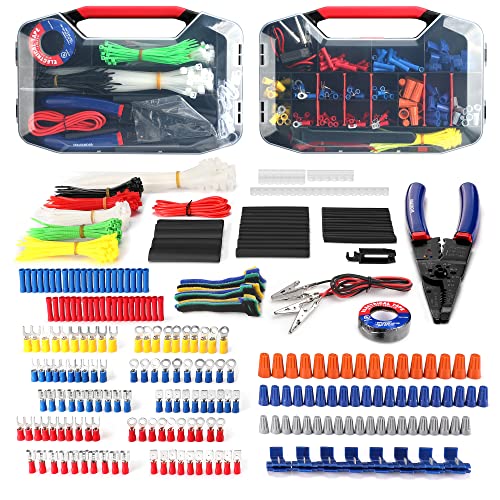
WORKPRO Crimping Tool Kit with 582PCS Heat Shrink Wire Connectors
- Includes 582 Wire Terminals: Assorted electrical wire terminals and accessories
- Convenient Complete Kit: Includes wire cutter and stripper for easy use
- Versatile Electrical Use: Suitable for insulation, bundling, color coding, and repairs
As an affiliate, we earn on qualifying purchases.
As an affiliate, we earn on qualifying purchases.
Frequently Asked Questions
How Do I Identify When a Problem Is Beyond My Skill Level?
You know a problem is beyond your skill level if DIY pitfalls keep occurring, or troubleshooting myths lead you down wrong paths. When you’ve spent a significant amount of time, yet the issue persists despite applying basic solutions, it’s a sign to seek professional help. Don’t ignore warning signs like increased complexity or safety risks—these indicate that expert intervention is needed to avoid further damage or danger.
What Signs Indicate a Safety Risk During Troubleshooting?
You should stop troubleshooting immediately if you notice safety risks, such as exposed wires, sparks, or unusual odors. Always follow safety protocols and conduct a risk assessment before proceeding. If you feel unsure or if the problem escalates, it’s best to seek professional help. Ignoring safety signs can lead to injury or further damage, so prioritize safety first and don’t hesitate to call a specialist when necessary.
Can Attempting Repairs Myself Void Warranties or Service Agreements?
Think of DIY repairs as walking a tightrope—one wrong move could snap your warranty like a fragile thread. Attempting repairs yourself can void warranties or service agreements, turning your safety net into a tangled web of pitfalls. Warranty concerns loom like dark clouds, threatening to overshadow your efforts. Before you *embark on* repairs, check the fine print; sometimes, leaving it to pros keeps your protections intact and your peace of mind soaring.
How Long Should I Try Troubleshooting Before Seeking Professional Help?
You should consider seeking professional help if troubleshooting takes more than an hour or if you’re facing complex issues, to avoid DIY pitfalls. Prolonged efforts can lead to further damage or increased costs, outweighing potential savings. Keep cost considerations in mind—sometimes, calling a pro early on prevents costly mistakes. Trust your instincts; if you’re unsure or uncomfortable, it’s smarter to get expert assistance sooner rather than later.
Are There Specific Tools or Diagnostics to Determine When to Call a Professional?
Think of troubleshooting as a maze—you need tools to find the exit. Use diagnostic tools like multimeters, software scans, or error code readers to pinpoint issues. If DIY pitfalls lead to dead ends or the cost benefit analysis shows mounting expenses, it’s time to call a professional. They have specialized tools and expertise to avoid wasted effort and prevent further damage, saving you time and money in the long run.

Water Leakage Detection, Underground Water Leak Detector, High Strength Sound Intensifier Water Pipe Leakage Monitor, Suitable for Site Construction, Car Maintenance
- Dual Probe Design: Switchable probes for versatile detection
- High-Quality Earphones: Clear sound for detailed detection
- Rechargeable Built-in Battery: Long-lasting, reusable power source
As an affiliate, we earn on qualifying purchases.
As an affiliate, we earn on qualifying purchases.
Conclusion
Think of troubleshooting as steering through a dense forest. Sometimes, you can find your way out on your own, but other times, the woods are too thick, and you need a guide. When your efforts feel like wandering in circles, or the problem only deepens, it’s time to call in a professional. Don’t risk getting lost forever—know when to seek help, and let the experts lead you safely out of the woods.

Klein Tools RT110 Outlet Tester, AC Electrical Receptacle Tester for North American Outlets
- Light Sequence Indicator: Shows wiring status clearly
- Standards Compliant: UL and CSA certified for safety
- Wide Temperature Range: Operates from 32°F to 140°F
As an affiliate, we earn on qualifying purchases.
As an affiliate, we earn on qualifying purchases.

How to Install and Repair Central Vacuum Systems: A DIY Guide to Central Vac Installation, Maintenance, and Troubleshooting for Homeowners and Professionals (The Fixers Handbook)
As an affiliate, we earn on qualifying purchases.
As an affiliate, we earn on qualifying purchases.