Covers prevent splatters and keep your microwave clean, but are they always the best choice? Discover the tradeoffs to find out.
Browsing Category
Kitchen Science
43 posts
Onion Tears: The One Cutting Technique That Actually Helps
Just mastering this simple onion cutting technique can save tears—discover how to keep your eyes safe and your chopping effortless.
Microwave Mug Cakes: The Physics Behind Rubbery Centers
Fascinating microwave physics explains why mug cakes often turn rubbery in the center—discover how to fix this common baking dilemma.
Induction Cooking Explained: Why Some “Metal” Pans Still Don’t Work
By understanding why some metal pans won’t work on induction stoves, you can ensure your cookware is compatible and cooking efficiently.
Cast Iron Seasoning Demystified: What “Polymerization” Really Means
Steel your understanding of polymerization in cast iron seasoning and unlock the secrets to a perfect, long-lasting non-stick surface.
Why Your Nonstick Pan Is Failing Early (It’s Not Just Metal Utensils)
Discover why your nonstick pan may be failing early beyond metal utensils and learn how to prevent premature damage.
Dishwasher vs Hand-Washing: Which Is Actually More Hygienic?
Dishwashers are generally more hygienic than hand-washing because they use hot water…
Air Fryer vs. Oven Fries: The Starch Science Behind Crispiness
Fascinating science explains how air fryer and oven fries achieve crispiness differently—discover the key factors that can transform your frying results.
Why Rice Sticks to the Bottom (Even in a Nonstick Cooker)
A common kitchen mystery is why rice sticks to the bottom even in a nonstick cooker, and understanding the causes can help you cook perfectly every time.
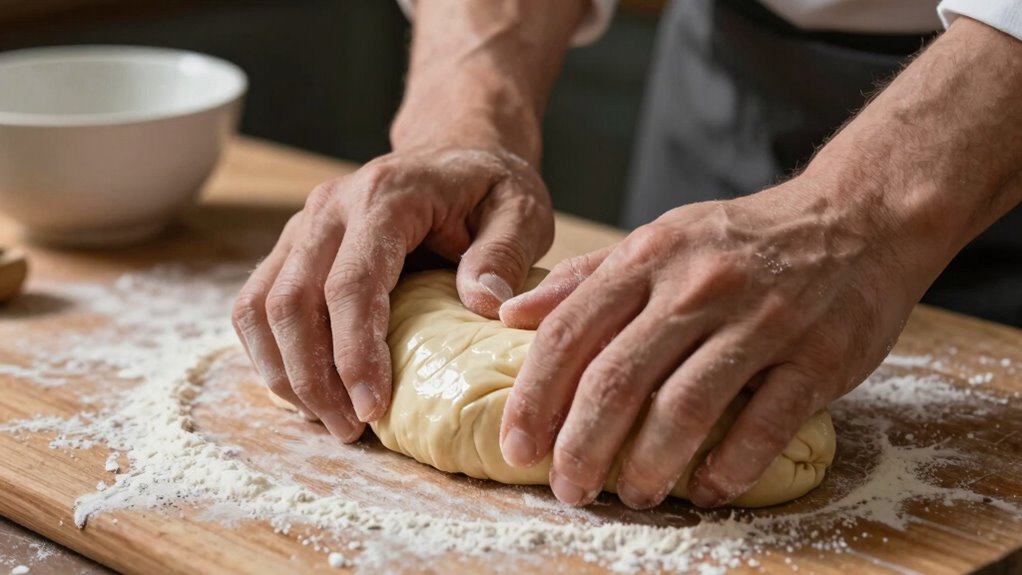
The Stand Mixer Mistake That Overworks Dough (And Makes Bread Dense)
Unearthing the common stand mixer mistake that overworks dough reveals how it can ruin your bread’s texture—learn how to avoid this for perfect results.