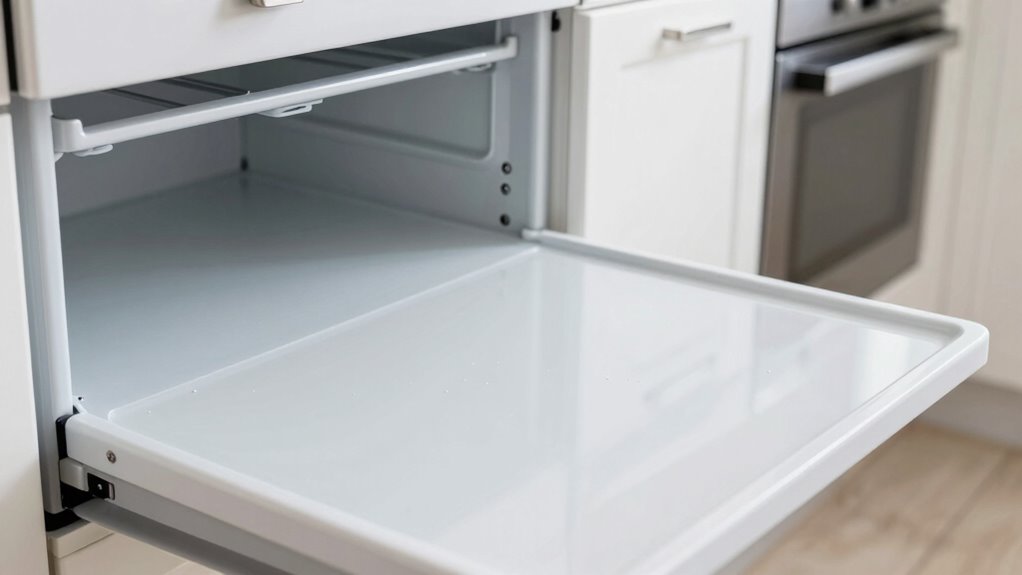

To clean most appliance interiors without scratching, use gentle tools like soft microfiber cloths or sponge applicators paired with safe solutions such as mild dish soap, vinegar, or appliance-specific cleaners. Start by removing loose debris, then wipe in light, systematic motions to avoid damage. For tricky spots, use soft-bristled brushes or cotton swabs dipped in cleaner. By following these surface-safe techniques, you can keep your appliances clean and extend their lifespan—learn more about effective methods ahead.

Get kitchen staples and gadgets delivered free — and shop member deals
- Fast, free delivery on millions of items
- Access to Prime Big Deal Days deals on October 6–7
- Prime Video, Amazon Music and more included
Key Takeaways
- Use soft microfiber cloths or sponges for gentle, non-scratch cleaning of appliance interiors.
- Apply mild cleaning solutions like diluted dish soap or vinegar, then wipe with light, systematic motions.
- Avoid abrasive tools such as steel wool or rough scrubbing pads to prevent surface damage.
- Rinse cleaning tools frequently to avoid spreading dirt and causing scratches.
- Focus on gentle techniques and proper tools to maintain surface integrity and extend appliance lifespan.
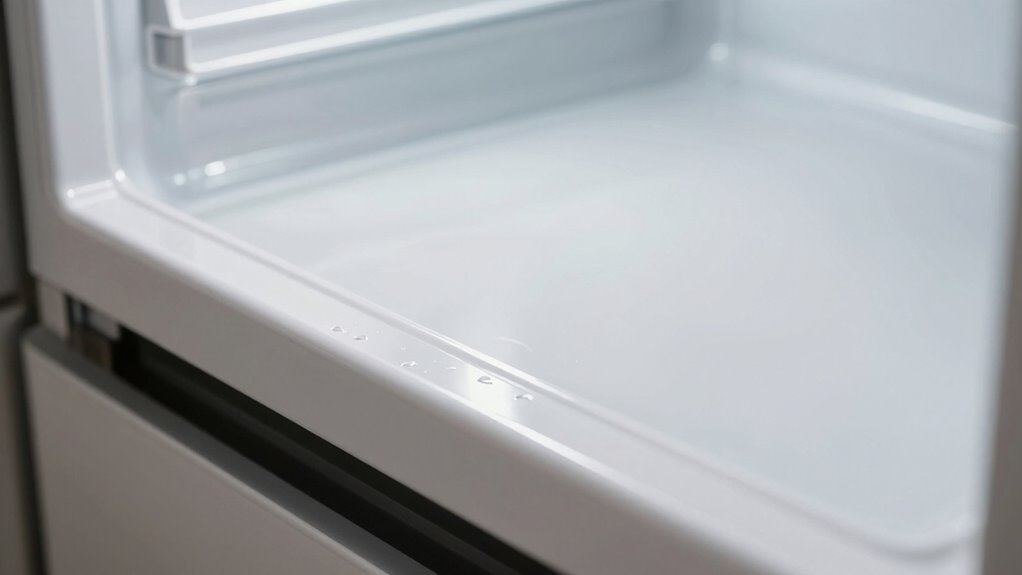
When it comes to cleaning delicate surfaces, traditional scrubbing can often cause scratches and damage. That’s why the non-scratch cleaning method has become a game-changer, especially for appliance interiors. Instead of using harsh abrasive cleaning tools, you focus on gentle, surface-safe techniques that protect your appliances while making them shine. The key to this approach is choosing the right cleaning tools that prioritize surface safety, ensuring you clean effectively without risking scratches or other damage. Soft microfiber cloths, sponge applicators, or even specially designed silicone scrubbers become your best friends. These tools are gentle enough to lift dirt and grime without scratching delicate surfaces like stainless steel, glass, or plastic.
Choose gentle tools like microfiber cloths and silicone scrubbers to clean delicate surfaces safely and effectively.
You’ll want to avoid common abrasive materials such as steel wool, rough scrubbing pads, or harsh chemical cleaners that might seem effective but can leave behind micro-scratches. Instead, opt for cleaning solutions tailored for delicate surfaces. Mild dish soap mixed with warm water generally does the trick, but for tougher stains, a vinegar solution or a dedicated appliance cleaner formulated for surface safety works even better. The goal is to loosen dirt without applying excessive pressure or aggressive scrubbing. When you wipe down your appliance interior, use a light hand and gentle motions. This minimizes the risk of damage and ensures your surfaces stay smooth and unmarred. Incorporating surface safety principles into your cleaning routine is essential for maintaining the longevity of your appliances. Additionally, understanding the importance of gentle cleaning techniques can help prevent accidental damage during routine maintenance.
Applying the non-scratch cleaning method also involves patience and a systematic approach. Start by removing loose debris with a soft cloth or a damp microfiber towel. Then, lightly spray your cleaning solution onto the surface and let it sit for a few moments—this helps break down stubborn grime. Use your chosen soft cleaning tool to gently wipe the area, moving in one direction rather than scrubbing back and forth. Rinse the cloth frequently to avoid redistributing dirt. For intricate or hard-to-reach spots, use a soft-bristled brush or a cotton swab dipped in cleaning solution. These tools are gentle but effective at reaching into corners and crevices without risking surface damage. Moreover, regularly inspecting your cleaning tools for wear and tear can ensure they remain gentle and effective over time.
Additionally, understanding the importance of automated grammar analysis tools can help you identify passive voice and improve the clarity of your writing. In the end, the non-scratch cleaning method emphasizes surface safety through the use of appropriate cleaning tools and gentle techniques. It’s about respecting the integrity of your appliance interiors while ensuring they stay clean and hygienic. Incorporating a gentle cleaning approach can significantly extend the lifespan of your appliances and keep them looking their best. By making smart choices in your cleaning tools and methods, you avoid unnecessary scratches and prolong the life of your appliances. This approach not only keeps your appliances looking new but also saves you the expense and hassle of repairs caused by careless cleaning. With a little patience and the right tools, you can maintain your appliances’ surfaces safely and effortlessly.
microfiber cloths for appliance cleaning
As an affiliate, we earn on qualifying purchases.
As an affiliate, we earn on qualifying purchases.
Frequently Asked Questions
Is This Cleaning Method Safe for All Appliance Surfaces?
Yes, this cleaning method is generally safe for most appliance surfaces. You should still consider chemical safety and material compatibility. Always test a small, hidden area first to check for any adverse reactions. Avoid harsh chemicals that could damage delicate surfaces, and stick to gentle, non-abrasive cleaners. By doing so, you guarantee your appliances stay clean without risking damage or compromising safety.
How Often Should I Use This Cleaning Technique?
Think of your appliances as your home’s heartbeat—keeping them clean is essential. You should use this cleaning technique once every few weeks or as needed, depending on usage. Regular cleaning, part of your appliance maintenance routine, prevents buildup and keeps interiors pristine. Don’t wait for dirt to pile up; consistent cleaning frequency ensures your appliances stay efficient and extend their lifespan, making your home’s rhythm smooth and worry-free.
Can This Method Remove Stubborn Stains or Mold?
Yes, this method can help with stubborn stains and mold removal. It’s effective because it gently lifts stains without scratching surfaces, and its natural cleaning agents help eliminate mold spores. For tough stains or mold, you might need to repeat the process or let the cleaning solution sit a few minutes before scrubbing. Always guarantee proper ventilation and wear gloves for safety during stain removal and mold elimination.
Are There Any Appliances It Shouldn’T Be Used On?
You should avoid using this cleaning method on appliances with delicate or sensitive surfaces, as appliance compatibility varies. It’s not recommended for polished or electronic surfaces that could scratch or be damaged. Always check the surface limitations before applying the method. If uncertain, test on a small, hidden area first. This guarantees you won’t harm the appliance and maintains its appearance and functionality.
What Tools or Materials Are Needed for This Cleaning Process?
You need a soft cloth, mild dish soap, and water for this cleaning process—no fancy tools required. Keep chemical safety in mind by avoiding harsh cleaners, and always rinse thoroughly. Regularly check your tools for wear to guarantee they stay in tip-top shape, making your cleaning safer and more effective. It’s a simple method that proves you don’t need a toolbox full of gadgets to get the job done right.
As an affiliate, we earn on qualifying purchases.
Conclusion
With this non-scratch cleaning method, you can confidently conquer cluttered appliances without concern. By combining careful technique with common cleaning agents, you’ll create a crystal-clear, corrosion-free interior every time. Say goodbye to stubborn stains and scratches, and hello to hassle-free hygiene. Harness the helpful hints here to handle your household’s most haphazard appliances with ease. Keep it simple, stay safe, and see the shining results—your appliances will thank you!
gentle cleaning brushes for appliances
As an affiliate, we earn on qualifying purchases.
As an affiliate, we earn on qualifying purchases.
As an affiliate, we earn on qualifying purchases.
NFL season / tailgating Picks
team gear
As an affiliate, we earn on qualifying purchases.