
You should never put non-stick cookware, cast iron, or utensils with wooden or silicone handles in the dishwasher. The harsh detergents and high heat can damage non-stick coatings, strip seasoning from cast iron, and cause wooden or silicone parts to wear or crack. Metal utensils can scratch non-stick surfaces, reducing their lifespan. To keep your tools in top shape, hand wash them carefully. Keep exploring to discover more tips that help protect your kitchen gear.
Listen free for 30 days with Audible
Thousands of audiobooks and originals — cancel anytime.
As an affiliate, we earn on qualifying purchases.
Key Takeaways
- Non-stick cookware coatings can peel or degrade from dishwasher detergents and high heat.
- Cast iron pots and pans lose seasoning and can rust if washed in a dishwasher.
- Metal utensils can scratch and damage non-stick surfaces, even if placed in the dishwasher.
- Items with wooden or plastic components may warp, crack, or degrade in the dishwasher.
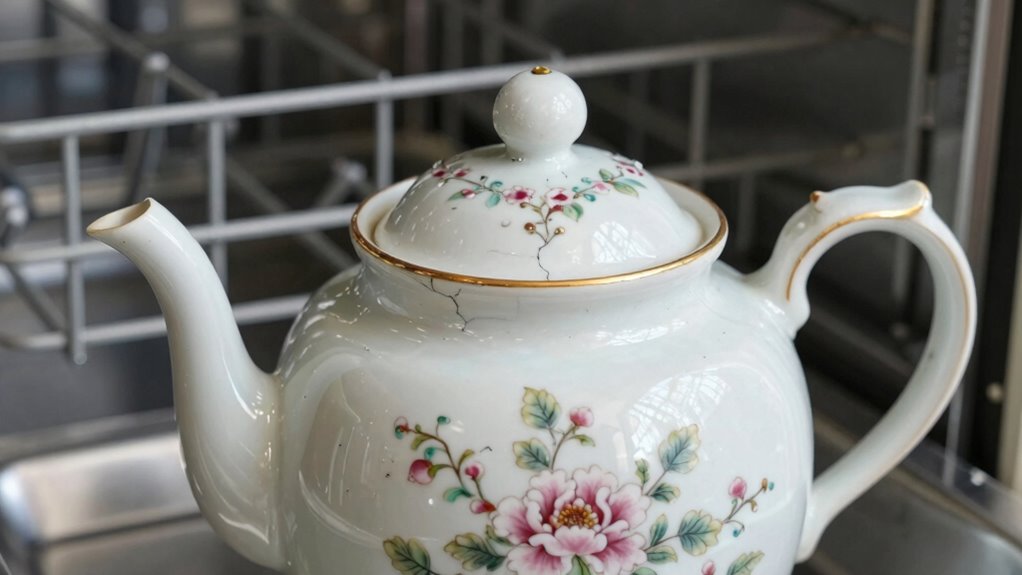
- Delicate or vintage cookware may be damaged or lose value if subjected to dishwasher cleaning.

Many kitchen items seem sturdy enough to endure a good wash, but there’s one part you should always keep out of the dishwasher: your non-stick cookware. Even if it seems like a quick and easy cleanup, the harsh detergents and high heat can damage the non-stick coating over time. This coating is delicate, and once it starts to peel or scratch, your cookware’s non-stick properties are compromised, forcing you to replace it sooner than expected. Hand washing with gentle sponges and mild soap is the best way to preserve its longevity.
You might think metal utensils are harmless, but they’re actually one of the biggest culprits when it comes to damaging non-stick surfaces. When you scrape or gouge the coating with metal spoons, spatulas, or forks, you create tiny scratches that can lead to peeling and deterioration. It’s tempting to toss everything into the dishwasher after a busy meal, but metal utensils shouldn’t be part of that mix. Instead, use silicone, wooden, or plastic utensils to protect your cookware’s surface, especially if you want it to last. Understanding material reactions to cleaning can help you choose the right utensils and cleaning methods to extend the life of your cookware. Additionally, knowing how cleaning methods impact materials can help you avoid unintended damage during routine washes. Being aware of dishwasher safety guidelines can further help you prevent accidental damage to your kitchen tools.
Cast iron cookware is another item that should never go in the dishwasher, even if it looks tempting to automate the cleaning process. Dishwashers can strip away the seasoning that makes cast iron so versatile and non-stick in the first place. The high heat and harsh detergents can rust the iron or wash away the protective layer of oil that keeps it rust-free and non-stick. Instead, you should rinse cast iron with hot water and scrub it gently with a brush or non-abrasive pad. Afterward, dry it thoroughly and apply a thin layer of oil before storing it. This simple routine maintains the seasoning and prevents rust, ensuring your cast iron remains in excellent shape for years. Additionally, understanding cooking science and how different materials react to cleaning processes can help you better care for your cookware.
Ultimately, the best way to care for your kitchen tools is to understand what they need to stay in top condition. While some items might seem durable enough to withstand dishwasher cycles, they’re often better off hand washed. Metal utensils can scratch your non-stick surfaces, and cast iron cookware needs careful maintenance to keep its seasoning intact. Respecting these guidelines saves you money and keeps your cookware performing well longer. So, next time you’re tempted to load everything into the dishwasher, remember that some parts are better cleaned by hand—your cookware will thank you.
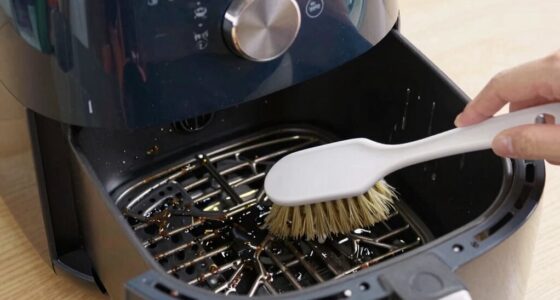
non-stick cookware cleaning brush
As an affiliate, we earn on qualifying purchases.
As an affiliate, we earn on qualifying purchases.
Frequently Asked Questions
Can Dishwasher-Safe Labels Be Trusted for All Items?
Dishwasher-safe labels can’t be trusted for all items because material durability varies. Some labels may claim they’re dishwasher-safe, but exposure to high heat and strong detergents can cause them to peel or fade. Always check the label carefully, and when in doubt, hand wash to preserve the label’s integrity. Relying solely on dishwasher labels isn’t foolproof, so consider the item’s material and manufacturer’s recommendations for long-lasting results.
Are There Specific Dishwasher Settings Recommended for Delicate Items?
You should use gentle dishwasher settings, like a delicate or glassware cycle, to protect glass safety and utensil durability. These settings reduce water pressure and temperature, preventing cracks or breaks. Always check your items for specific care instructions, and avoid high heat or harsh detergents that could damage fragile glass or delicate utensils. Using the right setting guarantees your items stay safe and intact after each wash.
How Long Does It Take for Dishwasher Damage to Occur?
Think of your dishwasher as a ticking time bomb for delicate items. Damage, like dishwasher corrosion or plastic warping, can happen within just a few cycles if you’re not careful. High heat and harsh detergents accelerate this process, often taking only a few months of frequent use. To protect your dishes, avoid overloading and use gentle cycles. Regular maintenance also helps prevent long-term damage and keeps your dishwasher running smoothly.
What Are the Signs an Item Has Been Damaged by the Dishwasher?
You’ll notice dishwasher damage through signs like persistent dishwasher residue on your items and discoloration, especially on delicate surfaces. If your dishes come out cloudy, stained, or with a filmy film, it indicates damage or improper cleaning. Over time, these issues worsen, revealing that the item has been compromised by dishwasher exposure. Regularly inspecting your items for these signs helps prevent further damage and preserves their quality.
Can Certain Cleaning Products Protect Delicate Materials?
Think of delicate materials as fragile gardens, needing gentle care to flourish. Certain cleaning products act like protective shields, creating a barrier that slows down chemical reactions and surface erosion. By choosing pH-neutral or specially formulated cleaners, you prevent harsh chemicals from attacking the material’s surface, preserving its beauty and integrity. These products help you nurture your delicate items, ensuring they stay pristine and undamaged despite the cleaning process.
As an affiliate, we earn on qualifying purchases.
Conclusion
Remember, some items are like fragile butterflies—delicate and easily damaged—so avoid tossing them into the dishwasher. Your best cookware, fine china, and vintage heirlooms need gentle hands and loving care to preserve their beauty and integrity. Think of your dishwasher as a roaring storm that can shatter delicate dreams; keep these treasures safe by washing them by hand. Treat them with the respect they deserve, and they’ll continue to grace your home for years to come.
As an affiliate, we earn on qualifying purchases.
As an affiliate, we earn on qualifying purchases.
NFL season / tailgating Picks
team gear
As an affiliate, we earn on qualifying purchases.