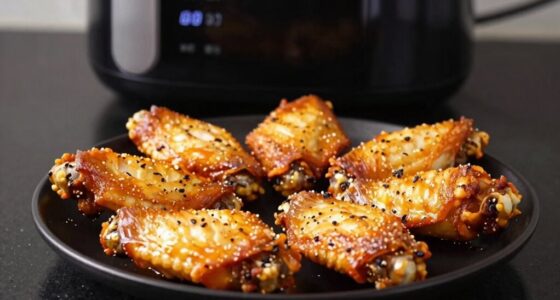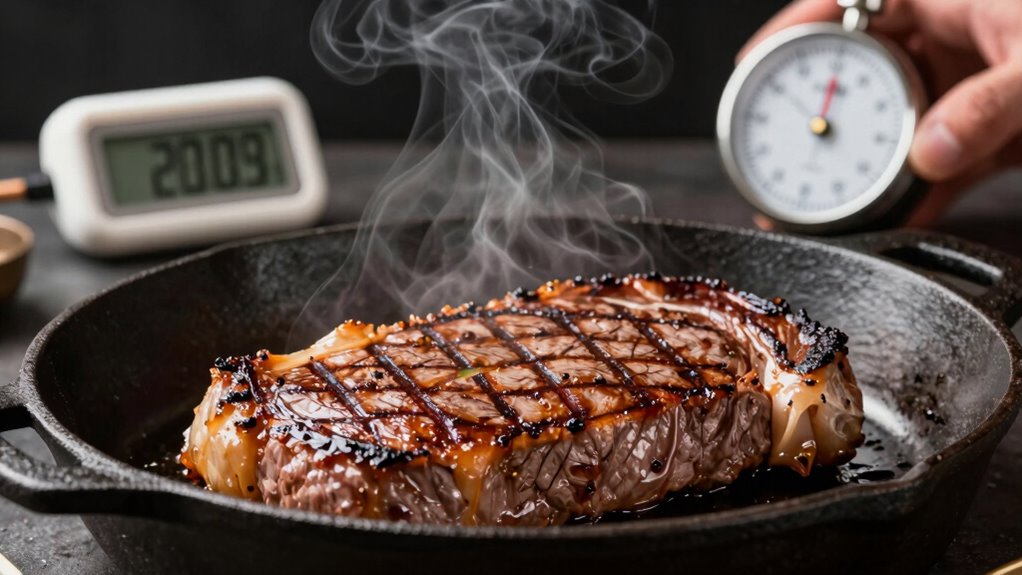
To cook from frozen without ending up with a hot outside and cold inside, start with moderate heat and preheated cookware to promote even heat penetration. Cover the food early on to trap steam and heat evenly, and avoid overcrowding the pan for proper circulation. Use a thermometer to monitor internal temperature and extend cooking time slightly if needed. Following these techniques guarantees safety and quality, and you’ll find more tips to perfect your process ahead.

Get kitchen staples and gadgets delivered free — and shop member deals
- Fast, free delivery on millions of items
- Access to Prime Big Deal Days deals on October 6–7
- Prime Video, Amazon Music and more included
Key Takeaways
- Start with moderate heat and preheated cookware to promote even heat penetration from the outside inward.
- Cover the food during initial cooking stages to trap steam and ensure uniform internal heating.
- Extend cooking times slightly and monitor internal temperature frequently for thorough doneness.
- Avoid high heat; use medium or low settings to gradually cook the food evenly.
- Consider using alternative methods like sous vide or slow cooking for precise, uniform results.
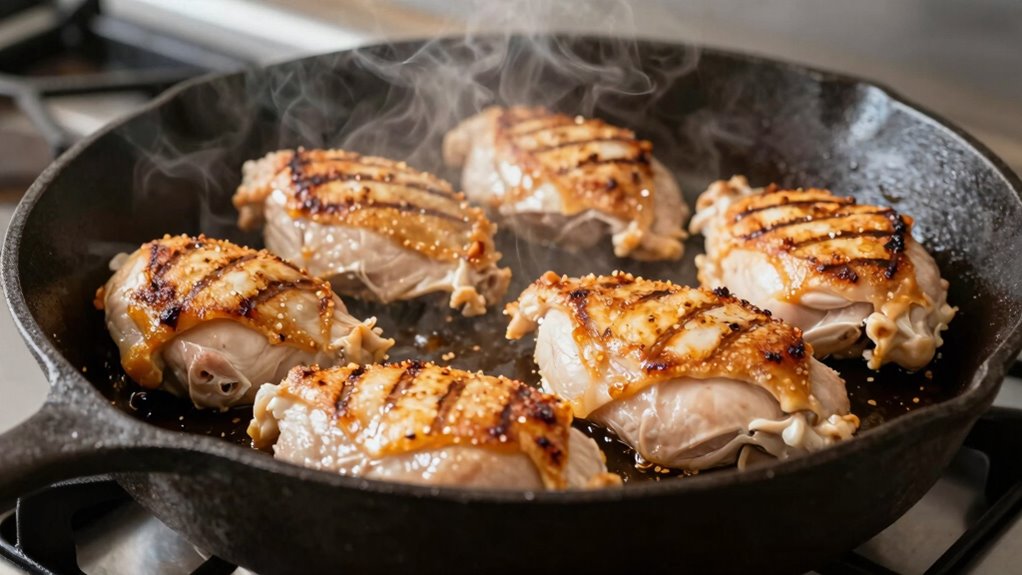
Cooking from frozen might seem intimidating at first, but with the right techniques, you can prepare delicious meals without thawing. The key is to cook evenly, making certain your food is hot all the way through without overcooking. One effective method is to start with a moderate heat and gradually increase it. For example, if you’re roasting frozen vegetables or meats, begin at a lower temperature, giving the heat time to penetrate the interior. This approach helps prevent the outside from becoming overdone while the inside remains cold. It’s also important to avoid overcrowding your pan or oven, which can trap moisture and lead to uneven cooking. Spreading your food out in a single layer allows heat to circulate properly, promoting uniform temperature distribution.
Start with moderate heat and avoid overcrowding for even, perfectly cooked frozen meals.
Another essential tip involves preheating your cookware properly. Whether you’re using a skillet, oven, or grill, make certain it’s hot enough before adding your frozen items. This initial sear or blast of heat helps lock in flavor and moisture, aiding flavor preservation and preventing the food from drying out. When cooking frozen meats, consider using a lid or foil during the initial stages. Covering traps heat and steam, which helps the interior cook more evenly without sacrificing moisture. This method reduces the risk of ending up with an exterior that’s too crispy or burnt while the inside remains raw.
Timing also plays a critical role. Adjust your cooking times slightly longer than usual, as frozen foods take more time to reach the proper internal temperature. Use a reliable meat or food thermometer to check doneness rather than relying solely on visual cues, which can be deceptive with frozen foods. Patience is key; rushing the process often results in uneven cooking and poor texture. To improve texture, avoid high heat when cooking from frozen, as it can cause the exterior to become tough or chewy. Instead, opt for medium to low heat, which allows heat to penetrate gradually, resulting in a more tender and evenly cooked dish. Additionally, understanding the importance of proper temperature control can greatly enhance your results and ensure food safety. Being aware of safe cooking temperatures helps prevent both undercooked and overcooked outcomes, ensuring your meals are safe to eat and delicious. It’s also helpful to monitor internal temperatures consistently during cooking to achieve the best results.
Incorporating food safety guidelines when cooking from frozen can also help you handle ingredients more confidently and prevent foodborne illnesses. It’s also beneficial to know how to thaw safely when you’re not in a hurry, to further reduce risks of contamination. Finally, consider techniques like sous vide or slow cooking, which are excellent for frozen foods. These methods maintain precise temperature control, making certain your meal stays moist and flavorful without sacrificing texture. With practice, you’ll master the art of cooking from frozen, creating meals that are perfectly cooked, flavorful, and tender every time.
As an affiliate, we earn on qualifying purchases.
Frequently Asked Questions
Can I Cook Frozen Food Without Defrosting First?
Yes, you can cook frozen food without thawing first. Thawing alternatives like using a microwave’s defrost setting or cold water baths work well before cooking, but if you prefer not to thaw, focus on proper cooking techniques. Increase cooking time and use a lower temperature to guarantee the inside cooks thoroughly without burning the outside. This way, your frozen food cooks evenly and safely, preserving flavor and texture.
What Is the Safest Way to Thaw Frozen Meat?
Imagine your busy kitchen suddenly quiets as you focus on food safety. The safest way to thaw frozen meat is in the refrigerator, allowing it to thaw gradually at a consistent temperature. Use proper thawing techniques like submerging in cold water or microwave if you plan to cook immediately. These methods prevent bacteria growth, ensuring your meat stays safe and tastes perfect. Always plan ahead for safe, even thawing.
How Do I Prevent Uneven Cooking When Starting From Frozen?
To prevent uneven cooking from frozen, focus on proper temperature control and use effective cooking techniques. Start with a lower heat setting to allow the heat to penetrate evenly, then gradually increase it. Consider methods like sous vide or covering your dish to retain heat, ensuring the interior cooks thoroughly before the exterior overcooks. Stirring or flipping halfway through also helps distribute heat uniformly, avoiding hot outside and cold inside.
Is It Okay to Microwave Frozen Meals?
Imagine you’re in a hurry and want to microwave a frozen meal; yes, it’s generally safe if you follow microwave safety guidelines. Use a microwave-safe dish, and stir or rotate the meal midway to prevent cold spots. For best results, follow frozen meal tips like adjusting cooking times and letting it rest afterward. This guarantees even heating, reducing the risk of bacteria and keeping your meal tasty and safe.
How Long Should I Let Cooked Frozen Food Rest Before Eating?
You should let cooked frozen food rest for about 3 to 5 minutes before eating. This pause allows juices to redistribute, ensuring even temperature and flavor. Thawing alternatives like microwaving or slow thawing can reduce resting time, but always adjust cooking time accordingly to prevent undercooked spots. Resting helps avoid hot spots, giving you a safer, tastier meal, especially when cooking from frozen.
non-stick skillet for frozen foods
As an affiliate, we earn on qualifying purchases.
As an affiliate, we earn on qualifying purchases.
Conclusion
Cooking from frozen doesn’t have to be tricky. Just remember to start with lower heat and cook slowly, allowing the inside to heat thoroughly without burning the outside. An interesting fact: nearly 90% of home cooks say they’ve accidentally served undercooked frozen meals. So, patience is key! With a little practice and the right techniques, you’ll master even the thickest cuts. Soon, you’ll enjoy perfectly cooked frozen dishes every time—no more hot outside, cold inside!
As an affiliate, we earn on qualifying purchases.
As an affiliate, we earn on qualifying purchases.
Fall Picks
fall essentials
As an affiliate, we earn on qualifying purchases.