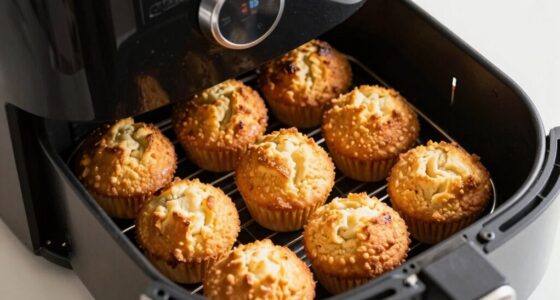
Stirring at the wrong time can ruin your dish’s texture by disrupting gluten development, which makes baked goods dense and chewy. It can also cause uneven cooking, breaking apart delicate ingredients or leading to separation in sauces. When you stir too early or too often, you risk overmixing or disturbing heat flow, which affects how ingredients set or rise. If you want to learn how to avoid these pitfalls and perfect your technique, keep exploring the details.
Key Takeaways
- Stirring too early can break down delicate structures, leading to dense or tough baked goods.
- Excessive stirring after ingredients are just combined causes gluten development, resulting in a chewy texture.
- Stirring at incorrect times disrupts heat transfer, causing uneven cooking and texture inconsistencies.
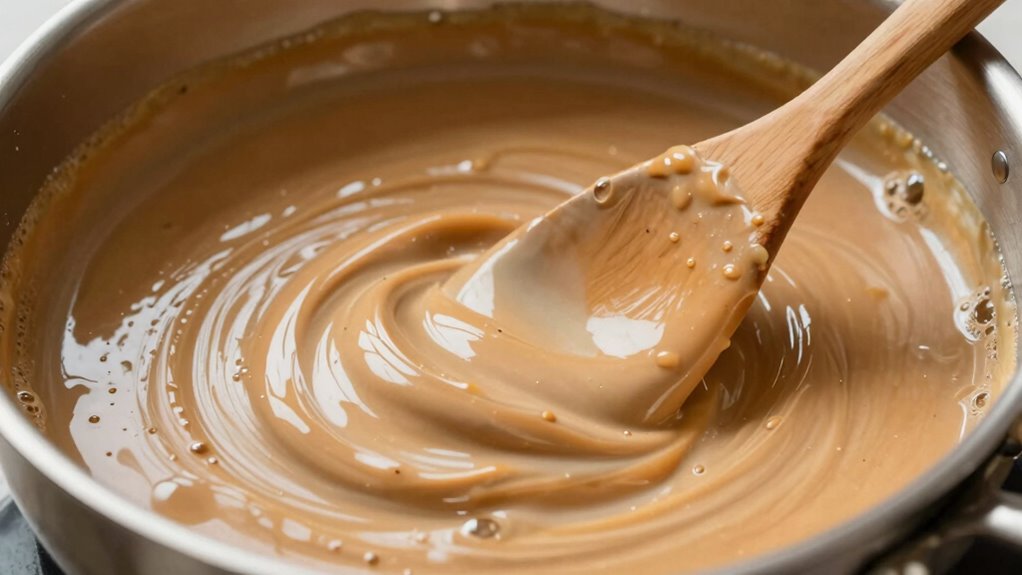
- Premature stirring in sauces or custards can cause separation or curdling, ruining smoothness.
- Improper timing prevents ingredients from setting or thickening properly, negatively impacting final texture.
Stirring at the wrong moment can sabotage a recipe’s texture, turning a smooth mixture into a lumpy mess or causing delicate ingredients to break down. It’s a common mistake that can easily slip into your cooking routine if you’re not careful. One key issue is overmixing batter. When you keep stirring after the ingredients have just come together, you risk developing gluten in the flour, which makes the final product dense and chewy instead of tender and airy. Overmixing can also cause pockets of air to escape, leading to uneven rise and a coarse crumb in baked goods. The goal is to mix enough to blend ingredients without overdoing it, and that delicate balance hinges on timing and technique.
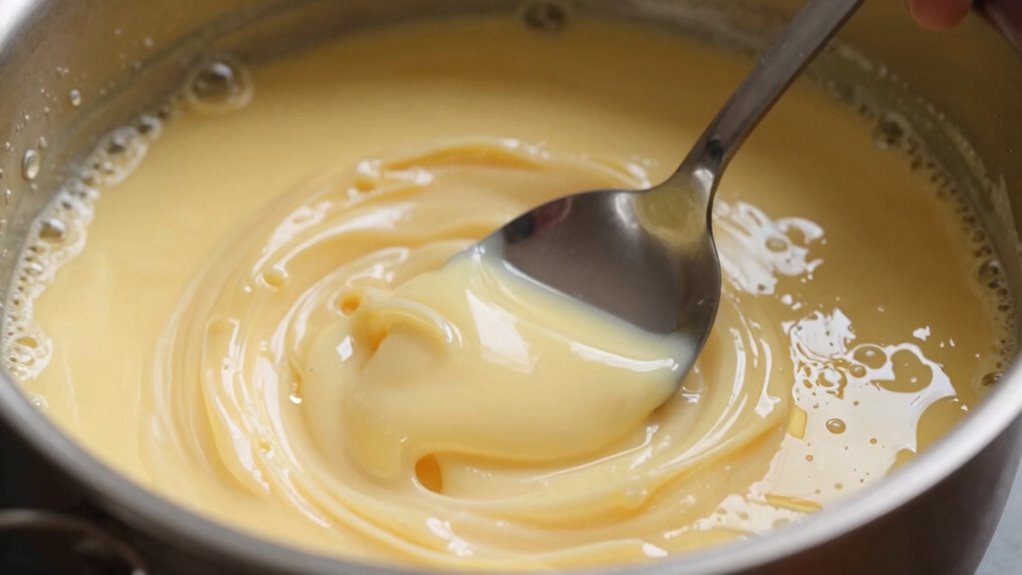
Another factor that can worsen the effects of improper stirring is uneven heat distribution. When heat isn’t evenly spread across your cooking surface, certain areas may cook faster than others, making it more tempting to stir or move ingredients around to prevent burning or sticking. But if you stir at the wrong time—say, too early or too often—you might disrupt the cooking process, causing ingredients to break apart or cook unevenly. This is especially true in recipes like custards or delicate sauces, where gentle stirring ensures even heat transfer. Stirring too early can also cause the mixture to lose its structure, leading to curdling or separation. Recognizing the importance of heat distribution can help you time your stirring better and maintain the desired texture. Being aware of how heat flow affects your dish can help prevent unintended texture issues and improve overall results. Additionally, understanding the role of ingredient stability during cooking can help you decide the optimal moment to stir, preventing unwanted changes in texture.
Timing your stirring is vital. For example, in baking, you should only stir until ingredients are just combined, then stop to avoid overmixing. In stovetop recipes, wait until the mixture reaches the right temperature before stirring again, ensuring even heat distribution. If you stir too soon or too often, you risk breaking down the ingredients or disrupting heat flow, which can compromise the overall texture. Patience is key—wait for the right moment when ingredients have started to set or thicken before giving a gentle stir.
Ultimately, understanding when to stir and when to hold back can make all the difference in your cooking. Recognize that overmixing batter leads to dense baked goods, while stirring at the wrong time during cooking can cause uneven textures or ingredient breakdown. Pay attention to your recipe’s cues, and be mindful of how heat spreads through your dish. With practice, you’ll develop a sense for the perfect moment to stir, keeping your textures light, smooth, and perfectly cooked.
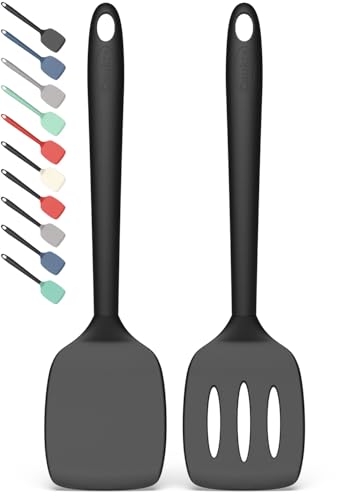
Coukre 2 Pack Silicone Spatula Set,High Heat Resistant, BPA-Free
- Set Includes: One slotted and one solid spatula
- Material: BPA-free, food-grade silicone
- Heat Resistance: Up to 500°F
As an affiliate, we earn on qualifying purchases.
As an affiliate, we earn on qualifying purchases.
Frequently Asked Questions
How Does Timing Affect Dough Elasticity?
Timing is essential for dough elasticity because it directly impacts fermentation control and gluten development. If you stir too early or too late, you can disrupt the gluten network, making the dough less elastic. Proper timing allows gluten strands to strengthen during fermentation, giving the dough the right stretchiness. Be patient with your stirring, and you’ll achieve better elasticity, resulting in a well-structured, chewy bread.
Can Improper Stirring Change Flavor as Well?
Improper stirring can definitely change flavor, as it affects ingredient integration and flavor enhancement. When you don’t stir at the right moment, some ingredients may not blend evenly, leading to uneven taste distribution or dull flavors. Over-stirring can also break down delicate flavors, making them less vibrant. To maximize flavor, stir at appropriate times, ensuring ingredients are well incorporated, which results in a balanced, flavorful dish.
What Tools Are Best for Precise Stirring?
Imagine you’re making a delicate custard; using a silicone spatula is ideal for precise stirring. It allows you to control stirring techniques and measure consistency closely. For precise stirring, opt for tools like a silicone spatula or a whisk, which offer excellent control and maneuverability. These tools help you maintain proper measuring techniques, preventing over-mixing or under-mixing that can ruin your dish’s texture.
Does Stirring Speed Impact Texture?
Yes, stirring speed impacts texture because it influences your stirring techniques and ingredient consistency. If you stir too quickly, you may cause splashing or incorporate too much air, leading to a lighter or uneven texture. On the other hand, slow, gentle stirring helps maintain a smooth, uniform mixture. Adjusting your stirring speed based on the recipe guarantees the right ingredient consistency and prevents ruining the final result.
How Can I Tell if I’Ve Stirred at the Right Time?
Think of your mixture as a delicate dance—if you notice it thickening or clumping unexpectedly, you’ve likely stirred at the right moment. You can tell by observing the ingredient consistency; it should be smooth and uniform, not overly runny or lumpy. Trust your senses, and refine your mixing techniques by stopping when the ingredients are just combined, preventing overworking that can ruin the texture.
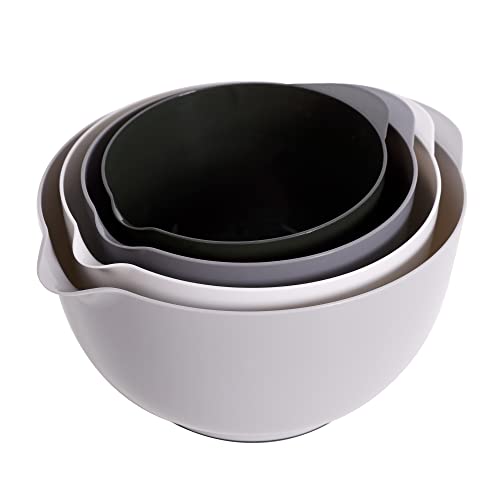
BoxedHome Classic Mixing Bowl Set of 4, BPA Free Plastic
- Variety of Sizes: Includes 1.7qt, 2.5qt, 3.5qt, 4.5qt bowls
- BPA-Free Plastic: Made from high-quality, durable BPA-free plastic
- Dishwasher, Microwave, Freezer Safe: Suitable for dishwasher, microwave, and freezer use
As an affiliate, we earn on qualifying purchases.
As an affiliate, we earn on qualifying purchases.
Conclusion
If you ignore the perfect moment to stir, you risk ruining your dish in a way that’s almost catastrophic—like releasing chaos in your kitchen. Timing is everything; a simple delay or premature stir can turn silky sauces into lumpy messes or cause delicate baked goods to collapse. Pay attention to those essential moments, and you’ll save yourself from culinary disasters that could rival a kitchen explosion. Master the timing, and your dishes will turn out flawless every time.
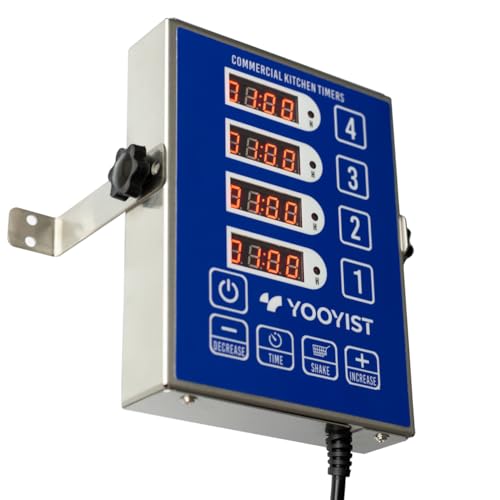
YOOYIST Precision Kitchen Timers for Cooking – 4 Channel Commercial Kitchen Timer Restaurant Kitchen Supplies – Stainless Steel Digital LED Chef Cooking Timer – Reminder Function, Loud Alarm, Blue
- Multi-Channel Timer: Tracks four tasks simultaneously
- Loud Alarm: Hear clearly over kitchen noise
- Durable Stainless Steel: Resists heat, spills, and wear
As an affiliate, we earn on qualifying purchases.
As an affiliate, we earn on qualifying purchases.
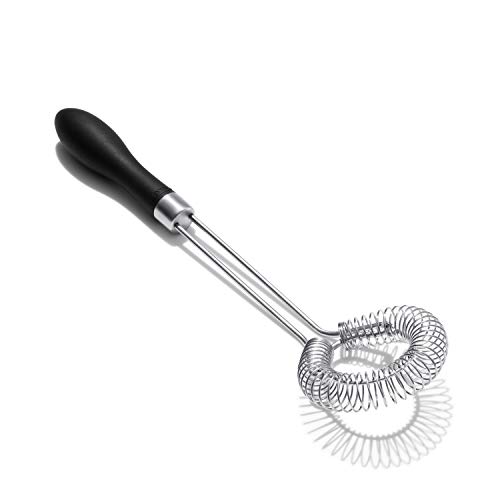
OXO Good Grips Stainless Steel Sauce & Gravy Whisk
- Efficient whisk for sauces and gravies: Specially designed for sauces and gravies
- Comfortable grip handle: Innovative handle offers comfortable grip
- Durable stainless steel wires: Mixes thoroughly with minimal effort
As an affiliate, we earn on qualifying purchases.
As an affiliate, we earn on qualifying purchases.