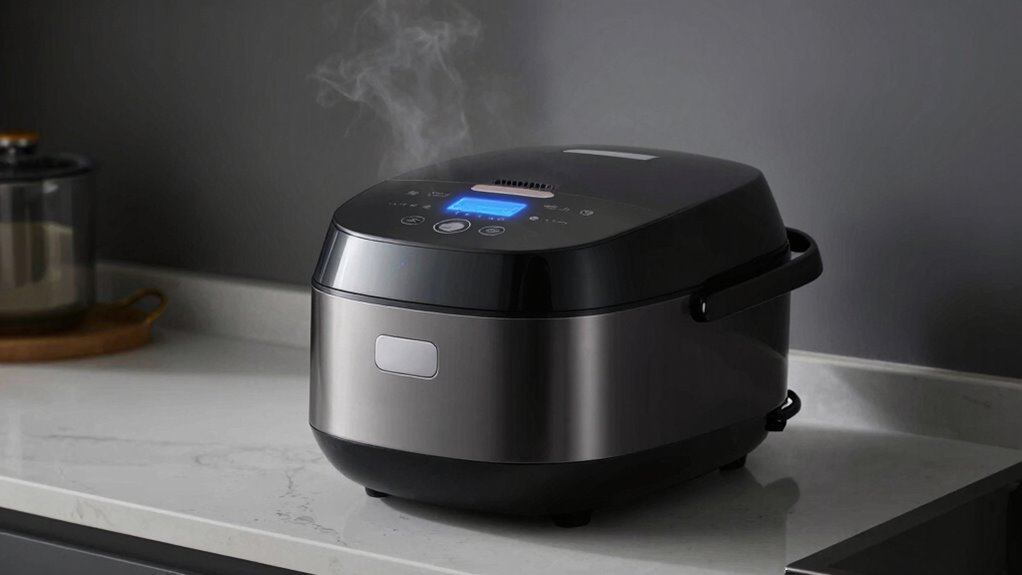
You should set time limits on appliance ‘Keep Warm’ modes because they can create ideal conditions for bacteria to grow and cause food safety issues. If left on too long, these modes use unnecessary energy and increase fire risks from extended heat. Many appliances don’t have automatic shut-offs, so managing timers is crucial for safety and efficiency. Keep in mind, understanding how to control these settings helps protect your health and save energy—more tips ahead can help you stay safer.

Get kitchen staples and gadgets delivered free — and shop member deals
- Fast, free delivery on millions of items
- Access to Prime Big Deal Days deals on October 6–7
- Prime Video, Amazon Music and more included
Key Takeaways
- Extended ‘Keep Warm’ modes can promote bacterial growth in food, increasing health risks.
- Without time limits, appliances may stay on, leading to energy waste and higher utility bills.
- Lack of automatic shut-off features increases the risk of appliances remaining on unintentionally.
- Continuous operation can cause appliance wear, malfunctions, and fire hazards if not properly monitored.
- Setting time limits helps maintain food safety, appliance longevity, and energy efficiency.

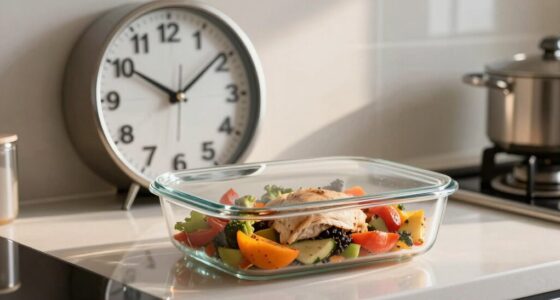
Many appliances with ‘Keep Warm’ modes can pose safety and efficiency risks if left on for too long. If you’re not careful, these settings can compromise food safety and lead to unnecessary energy consumption. When you leave your oven, slow cooker, or rice cooker on the ‘Keep Warm’ setting for extended periods, you might think you’re just maintaining your meal’s temperature, but in reality, you could be creating conditions that encourage bacterial growth or spoilage. Food safety becomes a concern because bacteria thrive between 40°F and 140°F, a range that some ‘Keep Warm’ modes inadvertently fall into if they aren’t carefully monitored. This lingering warmth can turn cooked food into a breeding ground for pathogens, especially if it’s left out for hours. As a result, you might unknowingly risk foodborne illnesses, which is why time limits are essential—even if it seems convenient to leave your appliance on. Additionally, many appliances lack automatic shut-off features, so monitoring and setting timers are crucial for safety and efficiency. Beyond safety, energy consumption is another critical factor. Many appliances don’t automatically shut off after a certain period, so leaving them on consumes power unnecessarily. Over time, this can considerably increase your energy bills and contribute to environmental waste. The ‘Keep Warm’ mode typically uses less energy than cooking but still draws power continuously, especially if left on all day or overnight. Small savings can add up, but only if you’re mindful about turning off devices once your food is safely kept at the right temperature. Developing good habits, like setting alarms or using appliances with built-in timers, can help manage these risks effectively. Proper appliance maintenance also plays a role in ensuring safety and efficiency, as worn-out components can malfunction and cause hazards. Regularly checking and servicing your appliances can prevent malfunctions that might lead to safety issues. Moreover, understanding the safe usage guidelines for your appliances can further reduce risks and improve overall safety in your kitchen. It’s also important to recognize that proper ventilation can help dissipate excess heat and reduce fire hazards associated with prolonged appliance use.
As an affiliate, we earn on qualifying purchases.
Frequently Asked Questions
Can Keep Warm Modes Cause Food Safety Issues?
Yes, keep warm modes can cause food safety issues if not used properly. Without proper temperature control, food can stay in the danger zone (40°F-140°F), where bacteria thrive. If you leave food in keep warm mode too long, it might not stay at a safe temperature, increasing risk of foodborne illness. Always monitor the temperature and time limits to guarantee your food remains safe to eat.
Are There Appliances With Automatic Shut-Off Features?
Yes, plenty of appliances feature automatic shut-off functions, enhancing safety and saving energy. You’ll find safety sensors embedded within ovens, slow cookers, and electric kettles, which detect overheating or prolonged operation. These sensors automatically shut off the appliance when it’s no longer needed or if a potential hazard arises, giving you peace of mind. With these automatic shutoff features, you can trust that your appliances prioritize safety while you focus on other tasks.
How Do Keep Warm Modes Affect Energy Consumption?
Keep warm modes can impact energy efficiency by consuming electricity continuously to maintain a set temperature. While they help with temperature stability, leaving them on longer than necessary wastes energy and raises costs. To balance convenience and efficiency, use these modes sparingly and set appropriate time limits. This way, you optimize energy use, avoid unnecessary power drain, and maintain consistent temperatures without compromising energy efficiency.
What Are the Best Practices for Using Keep Warm Functions?
You should set your keep warm function to the shortest safe duration to preserve food texture and appliance longevity. Always monitor the temperature, avoiding prolonged use, to prevent overcooking or drying out dishes. Use a timer if available, and avoid opening the appliance frequently. These practices guarantee your food stays fresh and your appliance stays in top shape, making the most of every meal and extending its lifespan.
Do All Appliances Have the Same Time Limit Recommendations?
No, not all appliances have the same time limit recommendations for keep warm modes. You should always check your appliance’s manual to guarantee proper use, as exceeding time limits can impact appliance longevity and user safety. Following these guidelines prevents overheating or damage, ensuring your appliance works efficiently and lasts longer. Always prioritize safety and adhere to manufacturer instructions to get the best performance and avoid potential hazards.
As an affiliate, we earn on qualifying purchases.
Conclusion
Imagine your appliance’s ‘Keep Warm’ mode as a gentle flame, softly glowing but never meant to burn endlessly. Without time limits, that cozy glow can turn into a scorched mess, ruining your meal and wasting energy. So, set those timers! Keep your warm mode a brief, warm embrace—just enough to serve or enjoy—to prevent the heat from turning into harm. A little control keeps your kitchen safe and your food perfect.
As an affiliate, we earn on qualifying purchases.
As an affiliate, we earn on qualifying purchases.
NFL season / tailgating Picks
team gear
As an affiliate, we earn on qualifying purchases.