

When using a slow cooker for kidney beans, be cautious—raw or undercooked beans contain a dangerous toxin called phytohemagglutinin that can cause severe stomach upset and poisoning. To stay safe, always soak, rinse thoroughly, and boil kidney beans for at least 10 minutes before slow cooking. This stops the toxin and guarantees safe, fully cooked beans. Staying aware of proper prep helps prevent health issues; learn more to keep your meals safe.
Key Takeaways
- Raw kidney beans contain the toxin phytohemagglutinin, which can cause severe food poisoning if not properly cooked.
- Always boil kidney beans for at least 10 minutes before adding to a slow cooker to destroy toxins.
- Proper soaking and rinsing of kidney beans reduce toxin levels and promote even cooking.
- Slow cookers may not reach temperatures high enough to eliminate toxins without pre-boiling.
- Handle kidney beans carefully to prevent health risks associated with undercooked or raw beans.

Hurst's Slow Cooker Chili Beans with Seasonings (Pack of 2) 15.5 oz Bags
Includes Pinto Beans, Black Beans, Small Red Beans, Kidney Beans, & Seasoning
As an affiliate, we earn on qualifying purchases.
As an affiliate, we earn on qualifying purchases.
Why Are Raw Kidney Beans Dangerous to Cook?
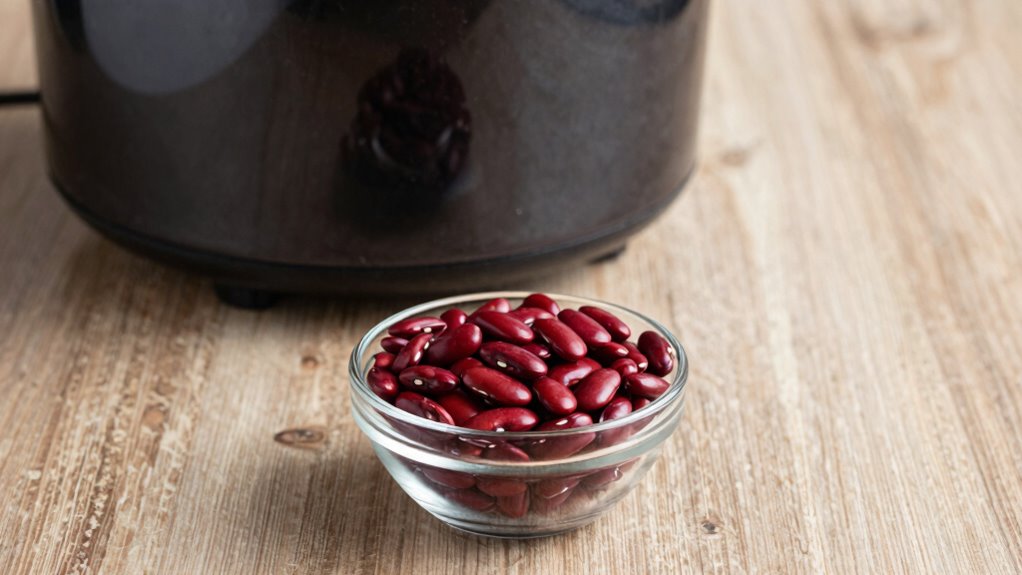
Raw kidney beans contain a toxin called phytohemagglutinin, which can cause severe stomach upset and nausea if not properly destroyed. This is a vital concern in bean toxicity, as consuming undercooked kidney beans can lead to food poisoning. Cooking safety is essential because the toxin is heat-sensitive; boiling the beans for at least 10 minutes destroys the harmful compound. However, slow cookers often don’t reach high enough temperatures to eliminate the toxin, making raw or undercooked beans dangerous. Eating them without proper preparation can result in symptoms like nausea, vomiting, and diarrhea. To guarantee safety, always boil kidney beans thoroughly before adding them to your slow cooker. This step is indispensable to prevent bean toxicity and enjoy your beans safely.

Everwilde Farms – 100 Dark Red Kidney Dry Bean Seeds – Gold Vault Jumbo Seed Packet
First Quality Non-GMO Dry Bean Seeds – Current Lab Test Data Shown on Packet
As an affiliate, we earn on qualifying purchases.
As an affiliate, we earn on qualifying purchases.
Do You Need to Soak Kidney Beans Before Cooking?

Soaking kidney beans before cooking helps reduce toxin risk and cuts down on cooking time. It also promotes even cooking, ensuring your beans are tender throughout. Knowing whether to soak can make your slow cooker beans safer and more enjoyable to eat. Additionally, understanding the cultural significance of proper preparation methods can enhance your appreciation for traditional culinary practices. Incorporating visual cues from speech therapy techniques can also be helpful in understanding proper soaking procedures and ensuring safety. Utilizing proper brewing methods can further improve the flavor and safety of your cooked beans. Regular filter maintenance of your kitchen appliances can help maintain a clean cooking environment and prevent cross-contamination. Implementing encryption solutions in your kitchen technology can also protect your recipes and culinary data from digital threats.
Reduces Toxin Risk
Although many people skip it, soaking kidney beans before cooking can considerably reduce their toxin levels. Raw kidney beans contain a natural toxin called phytohemagglutinin, which can cause bean toxicity if ingested in large amounts. Soaking helps leach out some of these harmful substances, making the beans safer to eat. Proper soaking, followed by thorough rinsing, greatly enhances toxin reduction and minimizes the risk of poisoning. This step is especially important if you’re using slow cookers, as the low heat may not destroy all toxins without prior preparation. By soaking your kidney beans, you ensure you’re reducing potential health risks and enjoying your beans safely. It’s a simple, effective way to handle beans responsibly before slow cooking. Understanding toxin levels can help you make more informed decisions about bean preparation.
Improves Cooking Time
Pre-soaking kidney beans can substantially cut down their cooking time, making bean preparation quicker and easier. When you soak beans beforehand, they absorb water, which helps them soften faster during cooking. This reduces the overall cooking time in your slow cooker, saving you energy and effort. Soaking also ensures that beans reach the desired tenderness more efficiently, allowing you to enjoy your meal sooner. If you’re in a hurry, soaking is a simple step that improves your cooking process. Keep in mind, though, that soaking isn’t mandatory, but it’s a great way to streamline bean preparation. Additionally, understanding cooking times for different beans can help you better manage your recipes and meal planning. Incorporating proper temperature control can further optimize the cooking process and results. Proper soaking can also help reduce flatulence-causing compounds, making beans easier to digest and enhancing your overall digestive comfort. Using the right soaking techniques can further improve your cooking efficiency and bean texture.
Ensures Even Cooking
To guarantee your beans cook evenly, it’s important to prepare them properly before adding them to the slow cooker. Using the right cooking techniques ensures uniform heat distribution, preventing undercooked or overcooked spots. Soaking kidney beans beforehand can help reduce cooking time and promote evenness, but it’s also a safety precaution since raw kidney beans contain toxins. If you choose not to soak, increase cooking time and stir occasionally to distribute heat evenly. Always rinse beans thoroughly to remove dirt and impurities. Proper safety precautions and proper cooking techniques ensure both flavor and safety are maintained. Additionally, using reliable security systems can protect your home while you’re focused on meal prep. Incorporating proper bean handling practices is essential for a safe and successful slow cooker meal. Being aware of toxins in raw beans is crucial to prevent accidental poisoning and ensure safe consumption.

Jack's | Organic Kidney Beans 13.4 oz.| Packed with Protein and Fiber, Heart Healthy, Low Sodium & Non GMO | (8-PACK)
PLANT BASED POWER!- Our kidney beans are high in protein and fiber, low in sodium, and are gluten…
As an affiliate, we earn on qualifying purchases.
As an affiliate, we earn on qualifying purchases.
How Long and at What Temperature Should You Cook Kidney Beans?
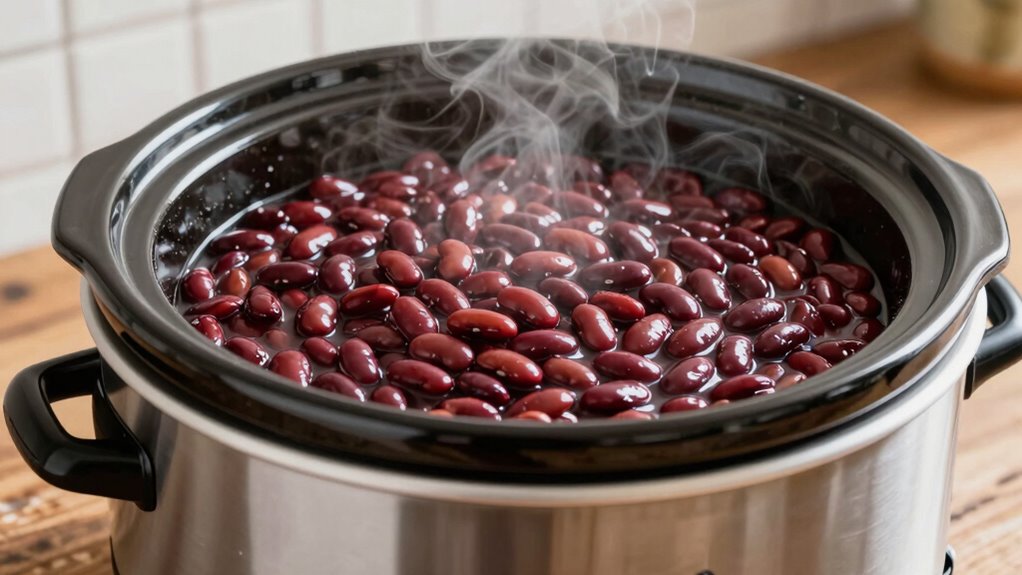
To guarantee your kidney beans cook safely and thoroughly in a slow cooker, set the temperature to low and cook them for about 6 to 8 hours. Following proper cooking guidelines is essential for kidney safety, as undercooked beans can contain toxins. Using the low setting allows the beans to simmer gently, ensuring even heat distribution and thorough cooking. Avoid high temperatures, which might cook the beans unevenly or leave them underdone. Always pre-soak kidney beans for at least 8 hours or overnight before cooking, and discard the soaking water. This process helps reduce toxin levels and speeds up cooking. Proper ventilation considerations can help prevent any lingering odors or safety issues in your cooking space. Good kitchen hygiene practices are also important to prevent cross-contamination and foodborne illnesses. Maintaining proper toilet maintenance and repairs is also important to prevent plumbing issues caused by improperly disposed of bean scraps or other waste. Additionally, ensuring proper food safety protocols during storage and handling can further safeguard against contamination. Being aware of foodborne illness prevention techniques can help you avoid potential health risks. By adhering to these guidelines, you ensure your kidney beans are safe to eat and retain their best flavor and texture.
bean toxin removal tools
As an affiliate, we earn on qualifying purchases.
As an affiliate, we earn on qualifying purchases.
How Can You Tell When Kidney Beans Are Fully Cooked and Safe?
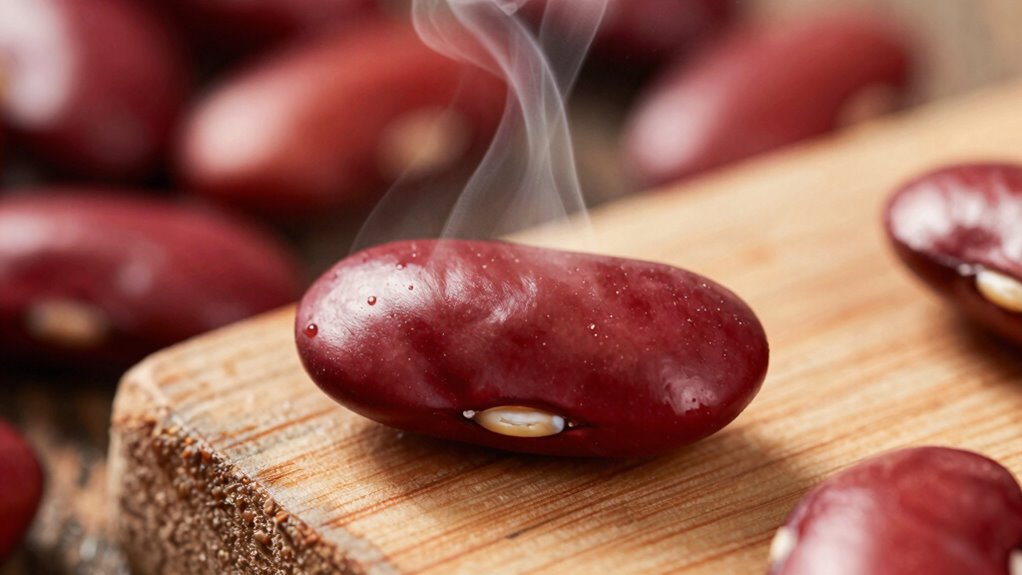
You can tell kidney beans are fully cooked and safe to eat when they’re tender and creamy inside, with no hard or chalky spots. Proper cooking techniques guarantee bean safety by breaking down toxins and making the beans digestible. To check, taste a few beans near the end of cooking—if they’re soft and smooth, they’re ready. Avoid eating undercooked beans, as they can be toxic. Using a fork or spoon to gently press the beans can help confirm their doneness; they should mash easily without resistance. Remember, thorough cooking is essential for bean safety. Rely on visual cues and texture to determine if kidney beans are fully cooked, and always follow recommended cooking times for slow cookers to ensure safety and maximum flavor. Cooking times and techniques are crucial for safe and effective preparation. Additionally, understanding toxin breakdown processes can help prevent potential health risks associated with undercooked beans.
Common Mistakes That Leave Kidney Beans Undercooked
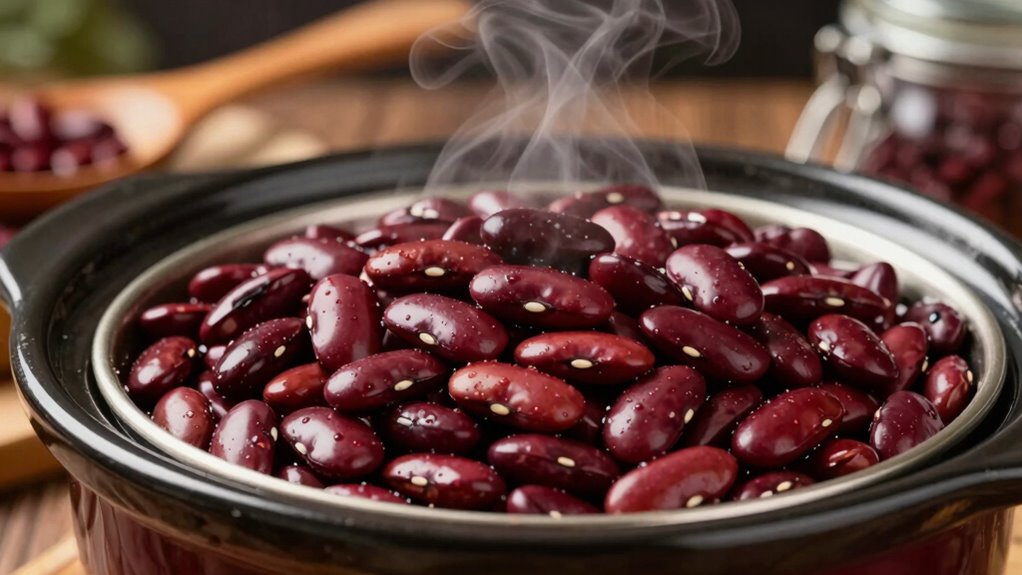
Many people assume that simply setting a slow cooker and waiting is enough to fully cook kidney beans, but common mistakes can leave them underdone and unsafe to eat. One major cooking mistake is skipping the initial boiling step, which is essential for bean safety. Without this, toxins may remain in the beans. Second, cooking at too low a temperature or for too little time can prevent beans from reaching a safe level of doneness. Lastly, not soaking the beans beforehand can cause uneven cooking, leaving parts undercooked. To avoid these mistakes, always boil kidney beans for at least 10 minutes before slow cooking, cook on high heat for the recommended time, and soak beans overnight. Proper preparation guarantees safe, fully cooked beans and prevents health risks.
What Are the Health Risks of Eating Undercooked Kidney Beans?

Eating undercooked kidney beans can expose you to natural toxins that cause illness. These toxins can lead to symptoms like nausea, vomiting, and stomach pain. It’s essential to cook beans thoroughly to avoid these health risks.
Toxins in Raw Beans
Undercooked kidney beans contain a potent toxin called phytohaemagglutinin, which can cause serious health problems. This bean toxin is responsible for the raw danger associated with eating uncooked or undercooked kidney beans. If you consume raw or improperly cooked beans, you risk:
- Nausea and vomiting
- Diarrhea and abdominal pain
- Potentially severe poisoning symptoms
The toxin is heat-sensitive, so thorough cooking destroys its harmful effects. Failing to cook beans properly leaves the toxin active, putting you at risk of these health issues. Always verify beans are soaked and cooked at high heat to deactivate the toxin and eliminate the raw danger. Avoid eating raw or undercooked kidney beans to stay safe.
Symptoms of Poisoning
Consuming undercooked kidney beans can lead to immediate and serious health issues due to the presence of the toxin phytohaemagglutinin. If you experience bean poisoning, you might notice toxin symptoms such as nausea, vomiting, stomach cramps, and diarrhea within a few hours. These symptoms indicate your body is reacting to the toxin and trying to rid itself. In severe cases, you could develop dehydration or more intense gastrointestinal distress. Recognizing toxin symptoms early is vital to prevent complications. If you suspect you’ve ingested undercooked beans and experience these symptoms, seek medical attention promptly. Properly cooking beans destroys the toxin, reducing the risk of bean poisoning and ensuring your safety when enjoying your slow-cooked dishes.
How to Prevent Phytohemagglutinin Poisoning When Cooking Kidney Beans
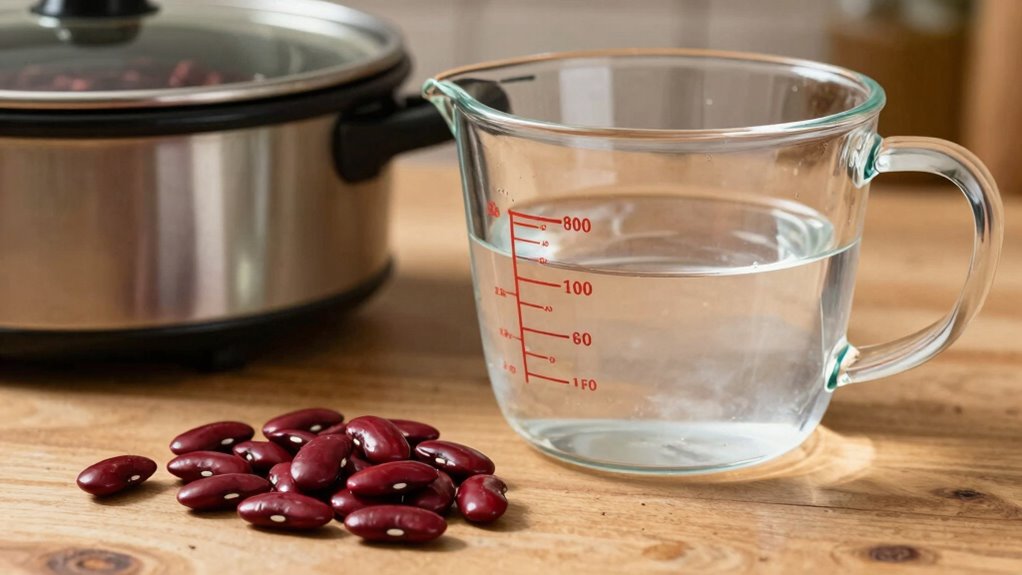
To prevent phytohemagglutinin poisoning when cooking kidney beans, it’s essential to thoroughly cook them before eating. Proper bean preparation is key to toxin elimination. Follow these steps:
- Soak the beans in water for at least 5 hours or overnight to loosen toxins.
- Drain and rinse the beans thoroughly to remove surface contaminants.
- Boil the beans vigorously for at least 10 minutes, ensuring the water reaches a rolling boil. Do not cook kidney beans in a slow cooker without pre-boiling, as this may not eliminate the toxin effectively.
This process destroys phytohemagglutinin, preventing poisoning. Remember, thorough cooking is vital to safe bean consumption and toxin elimination.
Are Other Beans Also Dangerous If Not Properly Cooked?
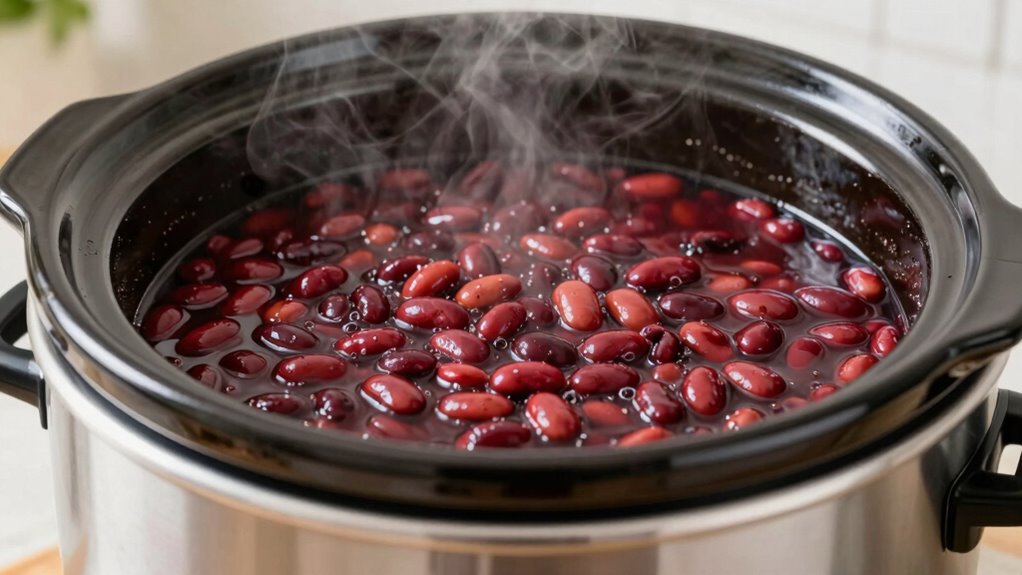
While kidney beans are well-known for their toxicity if not properly cooked, other types of beans can also pose health risks when mishandled. If you have a bean allergy, consuming undercooked beans might trigger severe reactions. Even if you’re not allergic, improper cooking methods can leave beans unsafe to eat. For example, some beans contain natural toxins that require thorough boiling to deactivate. Failing to cook beans correctly can cause digestive issues or poisoning. To stay safe, always follow recommended cooking methods—soaking and boiling beans thoroughly before slow cooking or eating. This ensures harmful substances are destroyed, reducing health risks and preventing allergic reactions. Proper preparation is essential for all beans, not just kidney beans.
Frequently Asked Questions
Can Undercooked Kidney Beans Cause Immediate Poisoning Symptoms?
Yes, undercooked kidney beans can cause immediate poisoning symptoms because raw bean dangers include a toxin called phytohaemagglutinin. If you don’t properly cook kidney beans, this toxin isn’t eliminated, leading to nausea, vomiting, and stomach pain. To avoid these risks, always soak and cook kidney beans thoroughly, ensuring the toxin is destroyed and safe for consumption. Proper preparation is key to preventing food poisoning.
Are Canned Kidney Beans Safe Without Additional Cooking?
You can safely eat canned kidney beans without extra cooking, but only if they’re properly cooked during processing. For example, a person consumed canned beans directly and experienced no symptoms, showing canned bean safety when properly prepared. However, beware of kidney bean toxicity; raw or undercooked beans contain toxins. Always rinse canned beans thoroughly and follow guidelines. Proper processing guarantees safety, but don’t skip heating if you’re using dried beans.
How Long Can Cooked Kidney Beans Be Stored Safely?
You can store cooked kidney beans safely for up to 3 to 4 days if you use proper refrigeration. Make sure to transfer them to an airtight container and keep them at or below 40°F. If you want to prolong their shelf life, consider freezing them for up to 6 months. Always reheat thoroughly before eating to ensure safety.
Does Boiling Eliminate All Toxins From Kidney Beans?
Boiling does a good job of reducing bean toxin levels, but it doesn’t eradicate them entirely. To stay safe, you should soak kidney beans overnight and then boil them vigorously for at least 10 minutes. Proper cooking methods break down the harmful toxins, making beans safe to eat. Always discard the soaking water and ensure thorough boiling to avoid any risk associated with bean toxins.
Are There Specific Beans That Are Safe to Eat Raw?
You should avoid eating raw beans, as most contain natural toxins that can cause illness. Raw bean precautions are essential because bean toxin awareness shows that cooking, especially boiling, destroys these harmful substances. For safety, always cook beans thoroughly before eating. Kidney beans are particularly dangerous when raw, so never consume them without proper preparation. Being cautious guarantees you avoid potential food poisoning from raw beans.
Conclusion
Just like a delicate dance, handling kidney beans with care guarantees you avoid a toxic misstep. Always soak, cook thoroughly, and follow proper temperatures to keep you safe. Think of your slow cooker as the stage—when you play your part correctly, the beans perform safely and tasty. Don’t let undercooking be the silent villain in your kitchen story. With a little attention, you’ll enjoy hearty, safe beans every time—your health’s own shining spotlight.