
When you let food rest after cooking, its flavors meld and become more balanced, making each bite tastier. Resting also helps juices redistribute within meats, improving tenderness and juiciness, while soft ingredients absorb liquids better. It reduces steam loss, locking in moisture and preventing dishes from becoming watery. Plus, resting makes foods easier to handle and serve, enhancing presentation. Keep exploring to discover even more reasons why this simple step can elevate your meals.
Listen free for 30 days with Audible
Thousands of audiobooks and originals — cancel anytime.
As an affiliate, we earn on qualifying purchases.
Key Takeaways
- Resting allows flavors to meld and intensify, creating a more balanced and layered taste.
- It helps redistribute juices in meats, increasing tenderness and juiciness.
- Resting reduces moisture loss, concentrating flavors and preventing watery dishes.
- It improves texture by allowing proteins and fibers to settle, resulting in a more cohesive bite.
- Slight cooling makes food easier to handle and serve, enhancing overall presentation.
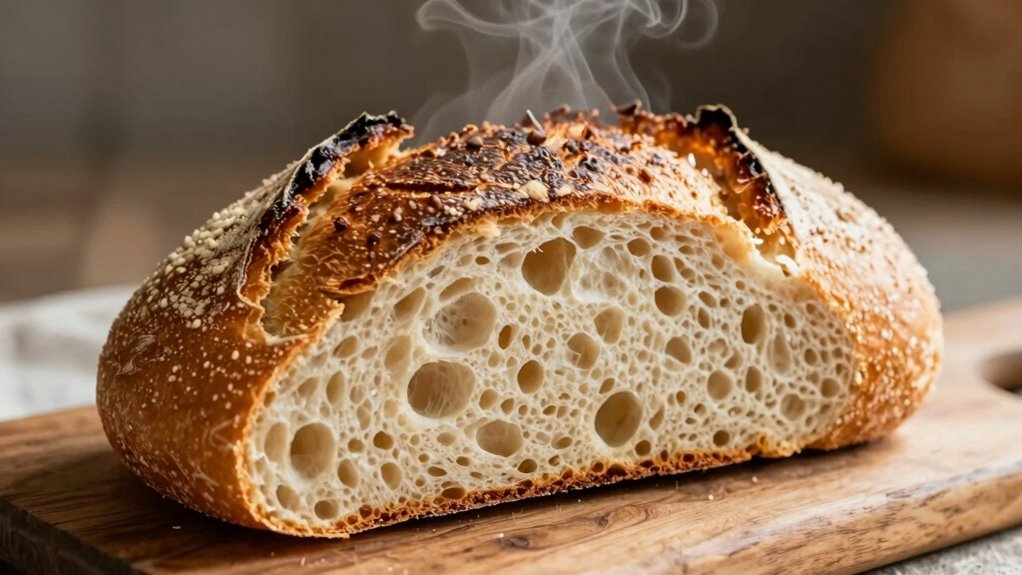
Have you ever noticed how certain dishes, like stews or roasts, taste even better the next day? It’s not just in your head—resting food allows flavors to meld and intensify, creating a richer, more balanced taste. When you let a dish sit for a few minutes after cooking, you’re giving the ingredients time to interact, leading to significant flavor enhancement. The initial burst of spices, herbs, and seasonings gradually integrates, resulting in a more harmonious and layered flavor profile. This process allows the subtle notes to come forward, making each bite more satisfying.
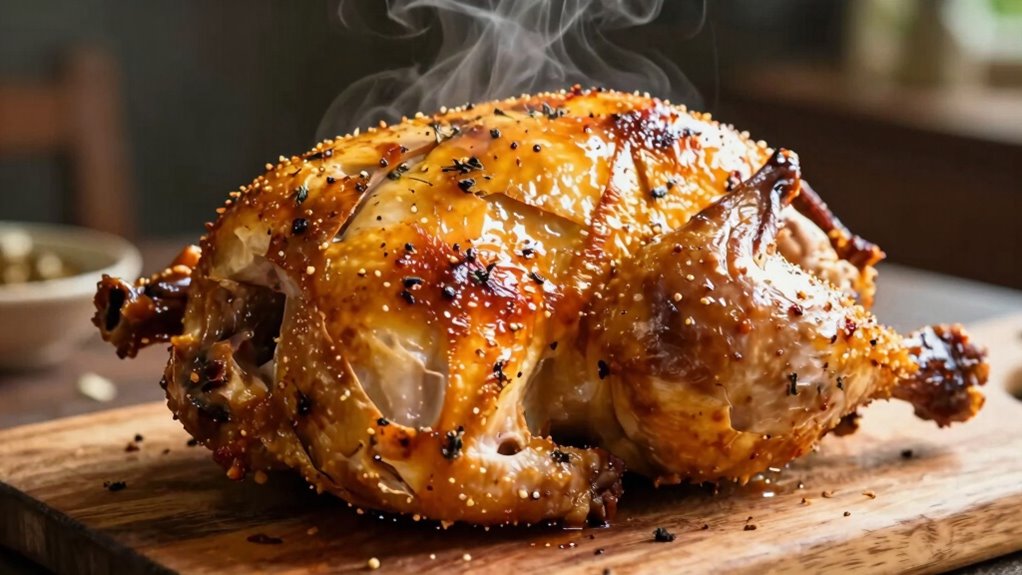
In addition to flavor, resting food also improves its texture. When hot food cools slightly, the proteins and fibers settle, creating a more tender, cohesive dish. For example, with roasts, resting helps the juices redistribute throughout the meat, preventing them from spilling out when you carve. This redistributing process not only increases juiciness but also makes the meat easier to cut and chew, providing a more pleasurable eating experience. Similarly, stews and braised dishes benefit from a brief resting period, as the softer ingredients absorb liquids better and develop a more uniform consistency. Allowing the flavors to develop further also helps in enhancing overall taste, as the ingredients have a chance to reach their peak. Additionally, resting food can also reduce steam loss, helping to retain moisture and flavor.
You might notice that when you serve food immediately after cooking, it can sometimes be overly hot or slightly watery, with flavors still in flux. Giving it a few minutes to rest allows excess moisture to evaporate or settle, resulting in a thicker, more concentrated sauce or broth. This subtle change enhances the overall flavor and makes the dish feel more refined. Plus, the slight cooling makes it easier to handle, whether you’re slicing a roast or spooning out servings of stew. Additionally, allowing time for flavors to develop can lead to a more balanced taste, as the ingredients have a chance to reach their peak. Resting food isn’t just about flavor and texture—it’s also about giving the ingredients time to reach their peak. Freshly cooked dishes often seem more vibrant and well-rounded after a brief pause. This period allows the heat to distribute evenly, ensuring each bite offers a consistent taste and mouthfeel. It’s a simple step that elevates your cooking, transforming a good meal into a memorable one. So next time you prepare a hearty meal, resist the urge to serve it immediately. Instead, give it a few minutes, and you’ll notice the difference—more flavor, better texture, and a more satisfying dining experience.
As an affiliate, we earn on qualifying purchases.
Frequently Asked Questions
Does Resting Food Improve Its Nutritional Value?
Resting food doesn’t necessarily improve its nutritional value, but it does enhance flavor and helps preserve nutrients. When you let food sit, flavors meld and intensify, making it tastier. Additionally, resting allows some nutrients to settle and become more bioavailable. While it doesn’t boost nutrients directly, taking a moment to rest your food can lead to a more satisfying and nutritious eating experience overall.
Are There Foods That Shouldn’T Be Left to Rest?
Think of your favorite spicy dish as a lively dance partner—it’s best enjoyed fresh, not left to rest. You shouldn’t leave hot, spicy dishes in cold storage for too long, as flavors can become dull and the heat may fade. Also, delicate foods like seafood or salads can lose their texture and freshness if they sit too long. For the best taste, serve spicy dishes promptly and avoid over-resting.
How Long Should Certain Foods Rest for Optimal Flavor?
For ideal flavor enhancement, you should let foods rest for specific durations: steaks for about 5-10 minutes, baked goods for at least 10-15 minutes, and roasted meats for 15-20 minutes. Resting allows juices and flavors to distribute evenly, enhancing taste. Keep in mind, too long a resting duration can diminish freshness, so aim for the perfect time to maximize flavor without sacrificing quality.
Can Resting Food Affect Food Safety?
Resting food can affect food safety if not done properly. During resting periods, bacteria can grow if the food stays in the temperature danger zone too long, which risks food hygiene. To prevent bacterial growth, you should keep hot foods hot and cold foods cold. Proper resting times help improve flavor and texture without compromising safety, but always follow safe handling guidelines to avoid any health risks.
Does Resting Food Change Its Texture Significantly?
Ever wondered if resting food changes its texture considerably? Yes, it does through texture transformation and moisture redistribution. When you let food sit, the moisture redistributes evenly, softening or firming textures as needed. This process enhances mouthfeel and overall eating experience. Without resting, some foods may feel overly dry or too hot. So, resting isn’t just about flavor; it actively improves the texture, making each bite more enjoyable.
As an affiliate, we earn on qualifying purchases.
Conclusion
So, next time you let your food rest, think of it as a symphony settling into harmony. Just as a song finds its true melody after a brief pause, your dish reaches its full flavor potential when given a moment to rest. This tiny pause allows the ingredients to mingle and develop, transforming your meal into a masterpiece. Embrace the quiet break — your taste buds will thank you for the encore.
As an affiliate, we earn on qualifying purchases.
As an affiliate, we earn on qualifying purchases.
Fall Picks
fall essentials
As an affiliate, we earn on qualifying purchases.