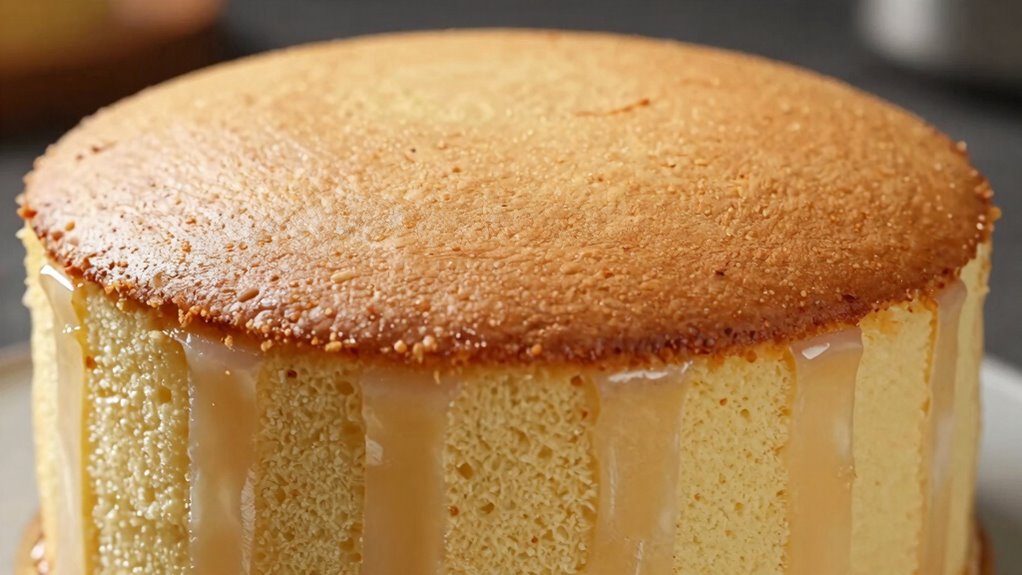

Using cake strips helps distribute heat evenly around your pans, preventing hot spots that cause doming and uneven layers. They insulate the sides, ensuring consistent baking temperatures and gentle, uniform rising. Proper attachment and material choice are key for effective performance. When you understand how heat flow impacts cake flatness, you’ll get cleaner, more professional-looking layers. Keep going to uncover the full science behind perfect, flat cake tops every time.
Key Takeaways
- Cake strips insulate pans, reducing hot spots and promoting even heat distribution during baking.
- Proper heat conduction prevents uneven rising and doming, resulting in flat, level cake tops.
- Consistent oven temperature and calibration are crucial for maintaining uniform heat flow across the cake.
- Using heat-insulating tools like cake strips minimizes rapid outer set, ensuring smooth, flat layers.
- Understanding heat transfer principles helps bakers troubleshoot and optimize baking conditions for flat, even layers.

Wilton Bake Even Cake Strips, Level Cakes, 2-Piece Set
- Prevent Dome and Cracks: Ensures moist, level cakes without trimming
- Even Heat Distribution: Heat-resistant fabric distributes heat evenly
- Universal Fit: Compatible with aluminum and non-stick pans
As an affiliate, we earn on qualifying purchases.
As an affiliate, we earn on qualifying purchases.
Why Heat Distribution Matters for Flat Cake Layers
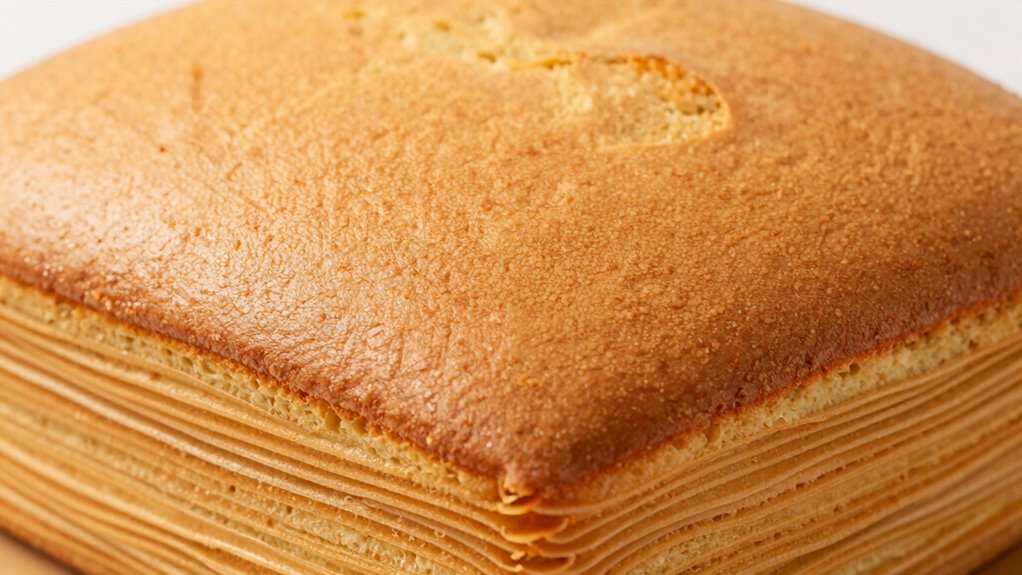
Even heat distribution during baking is essential for achieving flat, even cake layers. When heat is evenly spread through your batter, it ensures uniform heat conduction, allowing the cake to rise consistently. Materials with high thermal conductivity transfer heat more effectively, preventing hot spots that can cause uneven rising or doming. If heat isn’t dispersed properly, some parts of the cake may cook faster, leading to uneven layers or a dome shape. By understanding how heat flows through your baking pan, you can better control the baking process. Using strips or pans designed for even heat conduction helps maintain consistent temperatures across the batter. Incorporating smart temperature sensors into your baking setup can help monitor heat distribution in real-time, further improving your results. Additionally, selecting baking materials with optimal thermal properties can significantly enhance heat flow and cake uniformity, especially when combined with proper oven calibration. Understanding heat transfer mechanisms enables bakers to troubleshoot and optimize their baking environment more effectively.

Mity rain 2-Piece Cake Pan Dampen Strips
- Material: Cotton and polyester insulation fabric
- Preparation: Soak strips in cold water for 5 minutes
- Durability: Durable and easy to use
As an affiliate, we earn on qualifying purchases.
As an affiliate, we earn on qualifying purchases.
How Oven Temperature Affects Cake Flatness
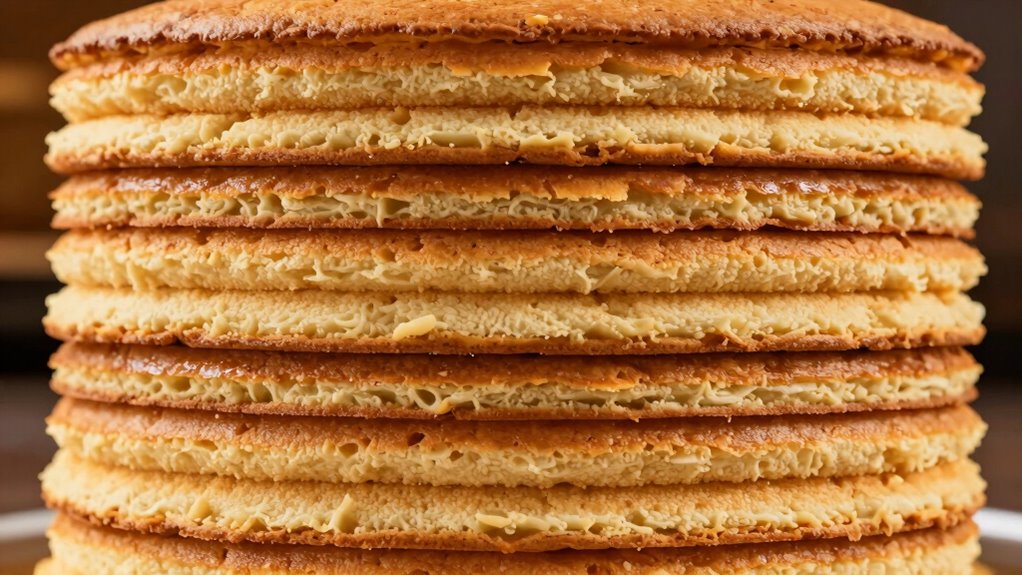
Your oven temperature directly influences how your cake rises and stays flat. If it’s too hot, excess heat can cause doming and uneven layers. Baking at the right temperature guarantees even rising and a smoother, flatter cake. Proper oven calibration ensures consistent heat distribution, which is essential for achieving the best baking results. Additionally, understanding heat transfer helps bakers optimize oven settings for perfect cake textures. Knowing how thermal conductivity affects heat movement within your oven can further improve baking outcomes. Recognizing how oven insulation impacts temperature stability can also lead to more consistent baking results.
Oven Temperature and Rising
Oven temperature plays a crucial role in determining how evenly your cake rises and how flat the final layers turn out. If your oven has hot spots, certain areas may cause uneven rising, resulting in domed or lopsided cakes. Maintaining a consistent temperature guarantees proper batter aeration, allowing the leavening agents to work effectively. Too high a temperature can cause rapid rising on the outside while the center remains undercooked, leading to uneven layers. Conversely, if the oven is too cool, the cake may not rise enough, resulting in dense, flat layers. Using an oven thermometer helps you monitor and control the heat, ensuring even rising. Proper oven temperature promotes uniform expansion of the batter, producing flatter, more level cake layers. Consistent oven temperature is essential for achieving optimal results in cake baking. Additionally, understanding the heat science behind baking can help bakers troubleshoot and perfect their cake layers for a professional finish. Recognizing how baking temperature effects influence the final product can greatly improve your baking outcomes.
Excess Heat Causes Doming
When the oven temperature is too high, the outer edges of your cake can set and rise rapidly, trapping moisture inside. This quick setting causes the center to lag behind, leading to dome formation instead of a flat top. Excess heat accelerates heat conduction to the cake’s surface, making it cook faster at the edges. The rapid expansion of the outer layers prevents even rising across the batter. As a result, the middle pushes upward, creating a dome. You might notice a cracked or uneven surface when this happens. To avoid doming, controlling oven temperature guarantees consistent heat conduction throughout the batter. Proper heat management allows the cake to rise evenly, preventing the rapid outer set that causes dome formation and ensuring a flat, level top. Understanding heat conduction helps in maintaining even baking temperatures to achieve perfectly flat cake tops.
Proper Baking Temperatures
Maintaining the correct baking temperature is essential for achieving a flat, even cake. If your oven is too hot, the outer layers will set quickly, causing doming or cracking. Conversely, too low a temperature can lead to uneven rising and a dense texture. Using cake flour, which has less gluten, helps create a tender crumb that responds well to proper heat. Baking soda, a leavening agent, reacts best within specific temperature ranges; too high or too low can cause uneven rise. Always preheat your oven fully and use an oven thermometer to guarantee accuracy. Temperature control is vital for consistent baking results, ensuring your cake rises evenly without doming, giving you a flat, professional-looking layer every time. Proper oven calibration and understanding heat distribution can also make a significant difference in achieving uniform results. Additionally, oven temperature accuracy plays a crucial role in preventing common issues like doming and uneven texture. Being mindful of how oven heat regulation impacts the baking process is essential for consistent, high-quality results, and investing in an oven with good temperature stability can help maintain even heat throughout baking.

2-Pack Oven Thermometer for Gas Oven with 431 Stainless Steel
- Clear Readability: Bold print, colored dials, high-definition glass
- Wide Temperature Range: 100°F to 600°F, Celsius and Fahrenheit
- Durable & Oven Safe: 431 stainless steel, anti-oxidation dial, heat resistant
As an affiliate, we earn on qualifying purchases.
As an affiliate, we earn on qualifying purchases.
What Are Cake Strips and How Do They Work?
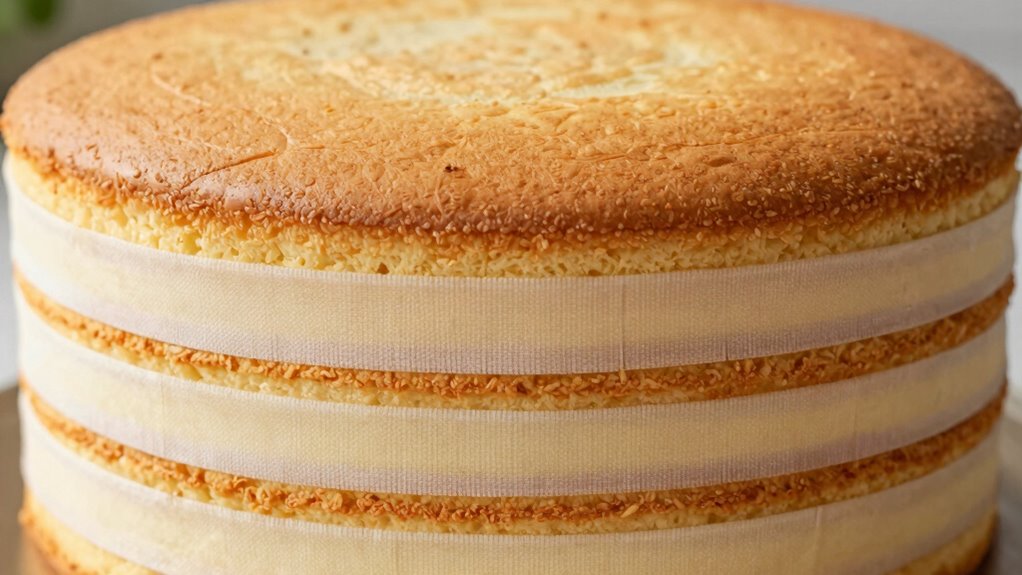
Cake strips are flexible bands wrapped around your cake pans that help distribute heat evenly. They provide insulation, preventing hot spots that cause the cake to rise unevenly or form a dome. By promoting uniform baking, they guarantee your layers come out flat and smooth. Additionally, understanding digital safety when baking or sharing recipes online can help protect your personal information. When storing or sharing digital recipes, practicing secure document management can prevent unauthorized access to your files. Using proper kitchen appliances and maintaining their efficiency can further contribute to consistent baking results. Incorporating sound healing science principles, such as controlling oven vibrations or using sound-based tools, could also support an even bake.
Insulation and Heat Distribution
Cake strips are essential tools that help guarantee your baked layers cook evenly by acting as thermal insulators. They reduce heat conduction from the outer edges, ensuring the heat distributes more evenly across the batter. This prevents the edges from overcooking while the center remains underdone, resulting in flat, level cakes. The strips slow down the transfer of heat, promoting uniform baking throughout the layer. When you use cake strips, you create a more consistent temperature profile, which leads to better rise and even texture.
- Maintains a steady temperature across the batter
- Minimizes hot spots caused by uneven heat conduction
- Enhances thermal insulation to prevent overbaking edges
- Promotes evenly baked, flat cake tops and layers
Preventing Dome Formation
By slowing the heat transfer to the edges of your batter, cake strips help prevent the formation of domes during baking. Without them, oven hot spots can cause uneven heating, leading to cake doming where the center rises more than the edges. Cake strips create a more uniform temperature throughout the batter, encouraging even rising. Here’s how different factors can influence cake doming:
| Factor | Effect | Solution |
|---|---|---|
| Oven hot spots | Cause uneven heat, leading to domes | Use cake strips, rotate during baking |
| Batter consistency | Thick batter rises unevenly | Adjust batter for even rise |
| Bake temperature | Too high causes rapid rising at center | Lower oven temperature slightly |
| Pan type | Dark pans conduct heat faster | Use lighter-colored pans |

Commercial Quality Baking Sheet Pan Set, Natural Aluminum Cookie Sheet, Umite Chef Warp Resistant Baker's Half Sheet Pan, Large Thick Cookie Tray Pans for Baking, Roasting(2 Pack, 18X13In)
- Material: Pure uncoated aluminum for safe cooking
- Heat Conduction: Superior, even heat distribution for perfect baking
- Durability: Heavy-duty 18-gauge, thick aluminum construction
As an affiliate, we earn on qualifying purchases.
As an affiliate, we earn on qualifying purchases.
Choosing the Best Cake Strips for Even Layers
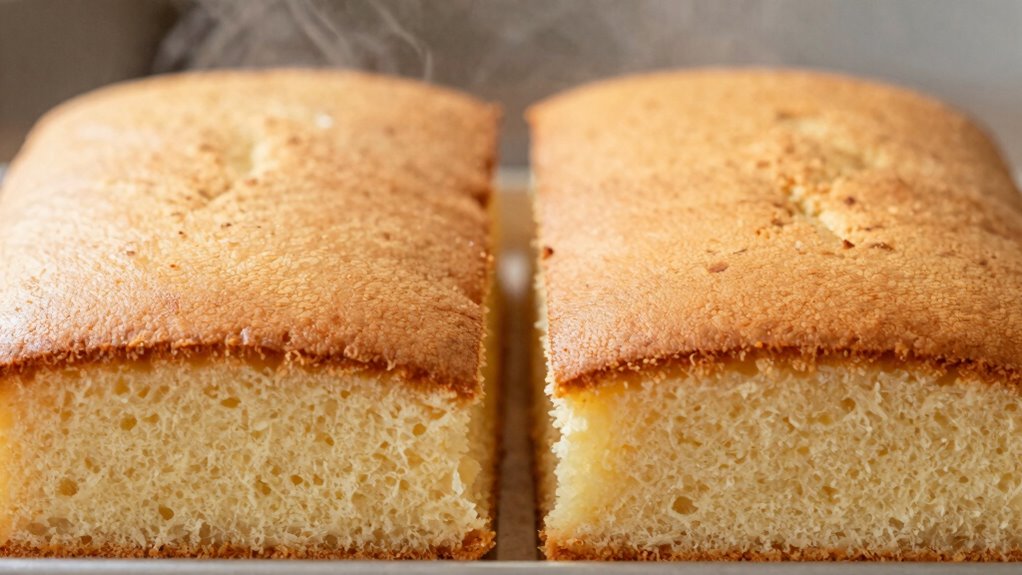
Choosing the right cake strips is essential if you want evenly baked layers that look professional and taste great. Your goal is to select strips that optimize heat conduction, ensuring uniform baking from top to bottom. When considering cake strip selection, look for materials like fabric or silicone that distribute heat evenly. Thickness also matters—thicker strips retain heat longer, promoting even cooking. Adjustable or stretchable strips help fit various pan sizes snugly, preventing gaps. Durability is key, so choose strips that can withstand repeated use without losing effectiveness. Keep in mind that well-chosen cake strips minimize hot spots and prevent doming, resulting in flat, even layers. Proper heat conduction and a good fit are your best tools for consistent, professional-looking cakes.
How to Attach and Use Cake Strips Correctly
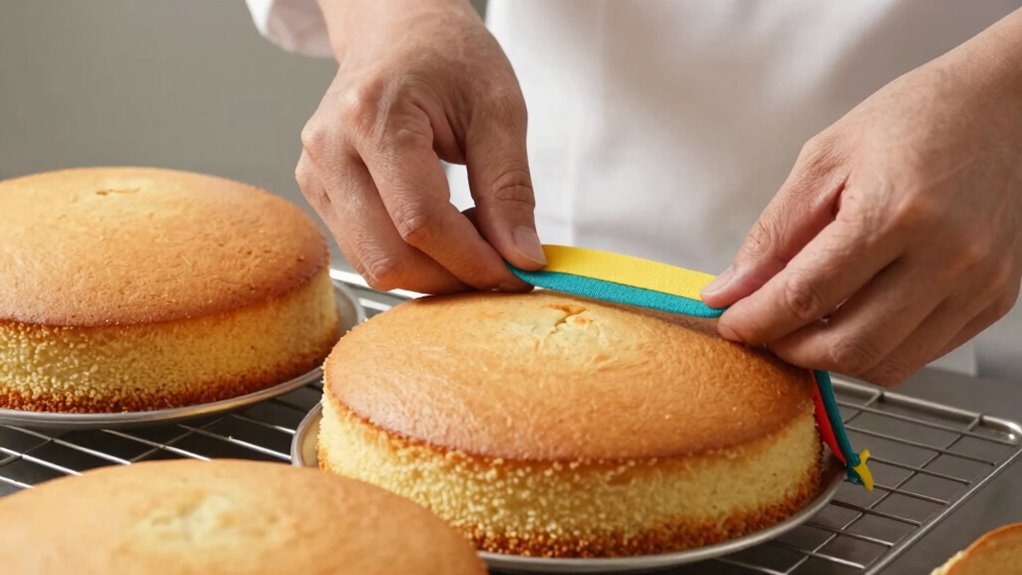
To guarantee your cake strips work effectively, you need to attach them securely around your baking pans before baking. Wet the strips thoroughly, then wrap them tightly around the pan’s exterior, ensuring there are no gaps. Use clips or clothespins to keep them in place if needed. Proper attachment ensures even heat distribution, which results in flat, level cakes perfect for cake decorating. Make sure the strips are snug but not too tight to avoid damaging the pan’s finish. When used correctly, cake strips help prevent domed tops, leading to more even layers and better flavor enhancement since the cake bakes uniformly. Consistent heat and even layers simplify decorating and improve the overall appearance of your finished cake.
Other Techniques for Achieving Flat, Even Cake Tops
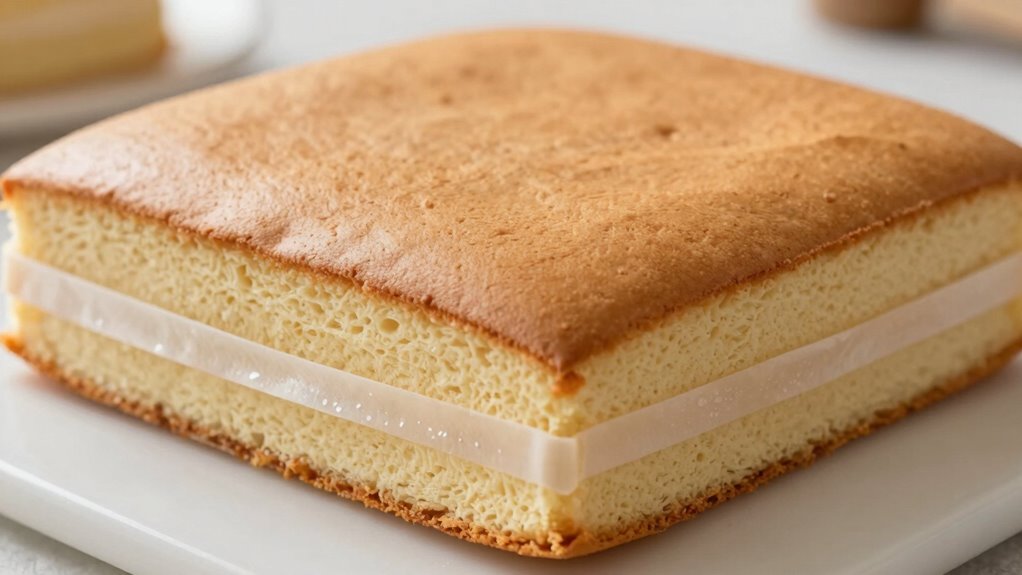
Achieving flat, even cake tops isn’t limited to using cake strips alone; there are several other techniques you can employ to improve your results. One effective method is cake leveling, where you trim domed tops with a serrated knife or a cake leveler for a uniform surface. Fondant smoothing also helps create a sleek, flat finish, especially on top of layered cakes. Additionally, using a turntable while applying fondant ensures even pressure and a smooth surface. In the end, applying a thin, even layer of buttercream or frosting under fondant can help fill in small imperfections, making the top level. These techniques, combined with your existing tools, give you more control over the final appearance of your cake.
Common Mistakes That Cause Domed or Uneven Cakes
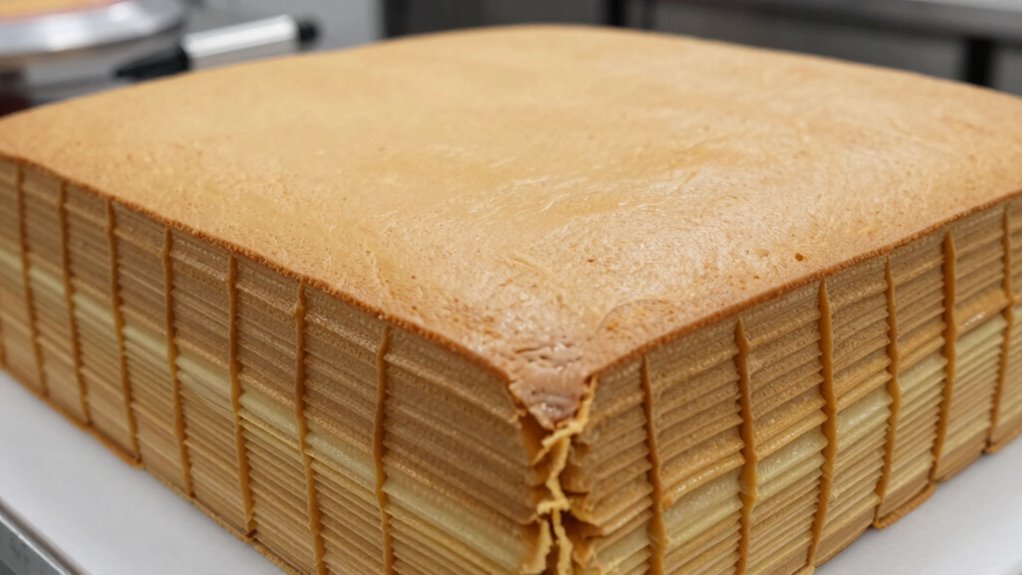
Even with techniques like cake leveling and batter smoothing, certain mistakes can still lead to domed or uneven cakes. Common errors include overmixing the batter, which causes excessive air bubbles and uneven rising, and uneven oven temperatures that create hot spots. Failing to properly prepare the pan or overfilling it can also cause the cake to dome. Additionally, rushing the baking process without allowing the cake to cool properly affects batter distribution. To prevent these issues, focus on consistent batter smoothing and even heat application. Here’s a quick comparison:
| Mistake | Result |
|---|---|
| Overmixing the batter | Air pockets, domed top |
| Uneven oven heat | Uneven rise, uneven layers |
| Overfilling the pan | Cracks, doming |
| Not cooling properly | Warped, uneven surface |
Troubleshooting Flatness Problems in Your Cakes
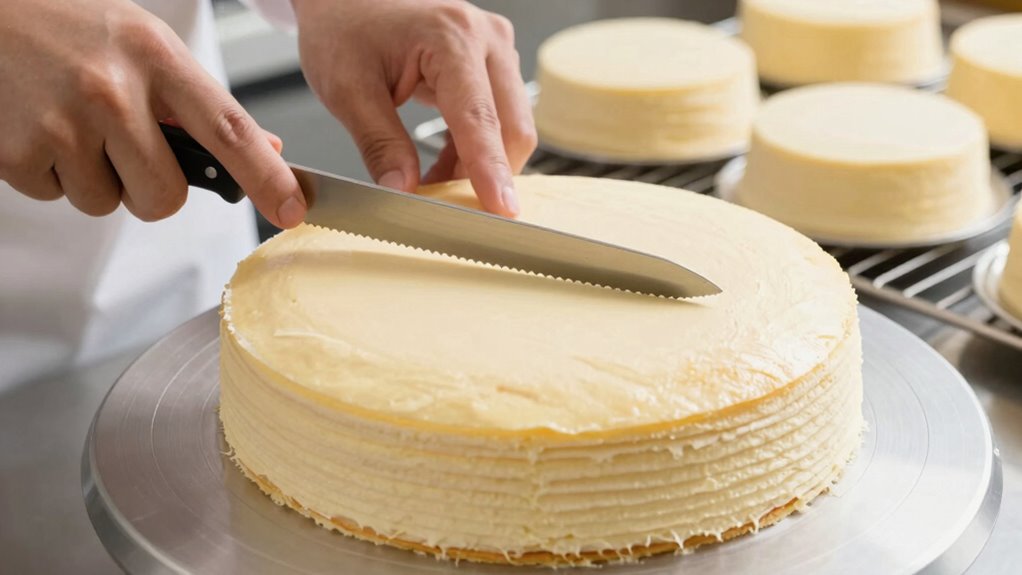
If your cakes turn out flat, start by checking your oven temperature; too low or too high can affect rise. Make sure your batter has the right consistency—neither too thin nor too thick—to help it rise evenly. Adjusting these factors can make a significant difference in achieving a perfect, level layer.
Oven Temperature Control
Oven temperature plays a crucial role in guaranteeing your cakes bake evenly and rise properly. If the temperature is too high, the outside may overbake while the inside remains underdone, causing uneven layers. Conversely, too low a temperature can delay baking and lead to a dense, flat cake. Proper air circulation within your oven helps distribute heat evenly, preventing hot spots that cause uneven rising. Also, starting with ingredients at room temperature promotes consistent baking and better structure. To troubleshoot, check your oven’s calibration regularly, use an oven thermometer for accuracy, avoid opening the door too often during baking, and ensure your batter is spread evenly to promote even heat exposure. These steps help maintain the ideal oven environment for flat, perfectly layered cakes.
Proper Batter Consistency
Achieving the right batter consistency is essential for preventing flat cakes. If your batter is too thin, it won’t provide enough support, leading to a flat top. Conversely, a batter that’s too thick can result in dense, uneven layers. To get it just right, pay attention to your mixing techniques. Mix until the ingredients are just combined; overmixing can develop gluten, making the batter tougher and less airy. Under-mixing can leave pockets of dry flour or uneven texture. Aim for a smooth, pourable consistency that flows easily but isn’t runny. Adjust your ingredients as needed—adding a bit more flour or liquid—to attain this balance. Proper batter consistency ensures your cake rises evenly and maintains a flat, beautiful top.
How Oven Settings and Bake Time Influence Heat Distribution
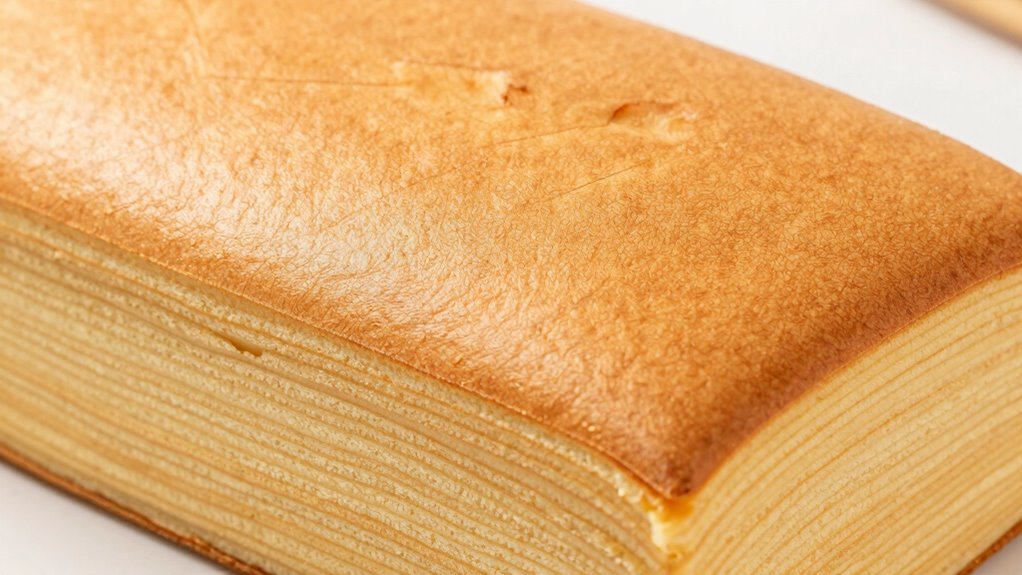
Adjusting oven settings and bake time plays a crucial role in how evenly heat is distributed throughout your cake. Proper oven calibration ensures accurate temperature control, preventing hot spots that can cause uneven rising. Understanding heat flow dynamics helps you choose the right settings to promote consistent baking. For example, using a convection oven can improve heat circulation for more even layers. Setting the correct temperature prevents overbaking or underbaking, which impacts layer flatness. Additionally, adjusting bake time allows the heat to penetrate the batter thoroughly. Keep in mind that opening the oven door too often disrupts heat flow, affecting the final result. By fine-tuning these factors, you better control heat distribution, leading to flatter, more even cake layers.
Expert Tips for Perfectly Flat Cake Layers Every Time
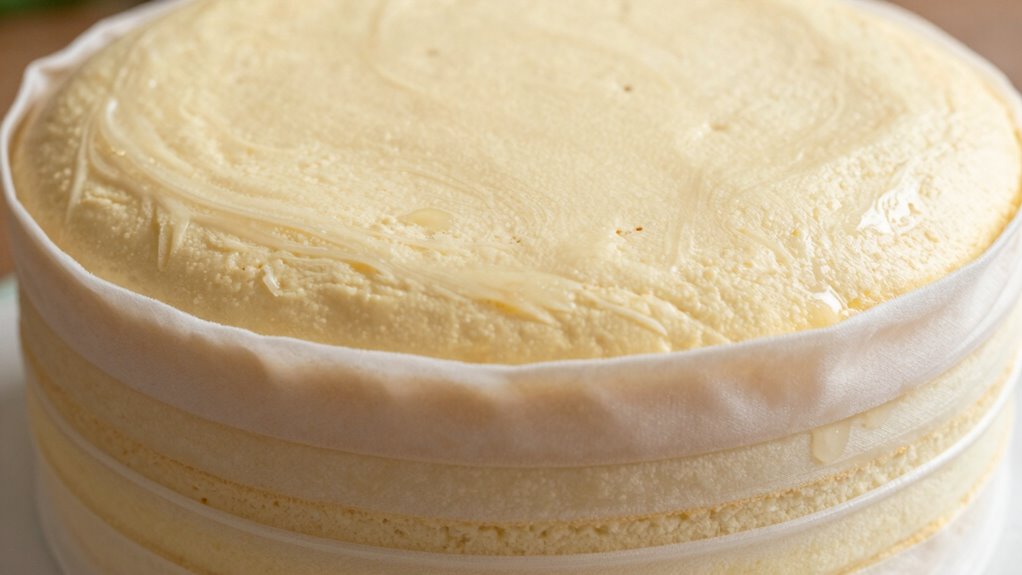
To guarantee your cake layers turn out perfectly flat every time, start with proper preparation and technique. Use cake strips around your pans to ensure even heat distribution, which prevents doming and creates a level surface ideal for cake decoration. When pouring batter, fill pans to the same height to promote uniformity. Use a serrated knife or cake leveler to trim any domed tops after baking, maintaining a flat layer for stacking. Keep in mind that even layers enhance flavor pairing by allowing fillings and frosting to sit smoothly, improving overall taste and appearance. Consistent layer thickness also simplifies decorating and achieves a professional look. With these expert tips, you’ll create beautifully even cake layers that showcase your skill and elevate your cake presentation.
Frequently Asked Questions
Can Cake Strips Be Reused for Different Recipes?
Yes, you can reuse cake strips for different recipes, but their longevity depends on how well you care for them. Rinse and thoroughly dry the strips after each use to extend their lifespan. Keep in mind that over time, their effectiveness might diminish, so check for wear. Generally, they’re compatible with most recipes, but for very delicate cakes, test to ensure even baking and flat tops.
What Materials Are Best for Cake Strips?
You should choose cake strips made from heat-conductive materials like cotton fabric or silicone. Cotton strips are popular because they evenly distribute heat, preventing domed tops, while silicone offers flexibility and durability. Both options excel in heat conduction, helping your cake bake evenly and flatten the top. Avoid materials that don’t conduct heat well, like foam or plastic, to guarantee consistent results and a professional finish.
Do Oven Types Affect Heat Distribution Differently?
Yes, oven types do affect heat distribution differently. You might notice oven unevenness where heat flow patterns vary, causing hot spots or cooler areas. Convection ovens, with their fans, promote more even heat distribution, while conventional ovens can have uneven heat flow patterns that lead to uneven baking. Knowing your oven’s tendencies helps you adjust baking times or use tools like cake strips for perfectly flat tops.
How Do Altitude Changes Influence Cake Flatness?
Altitude baking affects cake flatness because lower air pressure causes gases to expand faster, making cakes rise unevenly and often domed. To counter this, you can adjust your recipe by reducing leavening agents and increasing oven temperature slightly. These air pressure effects make it essential to modify baking techniques at high altitudes, ensuring your cake stays flat and even, rather than domed or cracked.
Are There Alternative Methods to Achieve Flat Cake Tops?
Did you know that nearly 60% of bakers prefer alternative techniques over traditional cake leveling? To get flat tops, you can use a serrated knife or a cake leveler for precise cuts. Additionally, freezing your cake before leveling makes it easier to trim. These methods help you achieve even layers without relying solely on cake strips, ensuring your cake looks as good as it tastes.
Conclusion
Think of baking your cake as tending a delicate garden. Just as even watering guarantees all plants grow straight and tall, proper heat distribution helps your cake rise evenly without domes. Use cake strips like your gardener’s tools—carefully placed to guide growth. When you master the heat and your tools, every layer blooms flat and perfect, turning your baking journey into a beautifully crafted landscape of consistent, flawless layers.