
When you see “BPA-free” and “food-grade” on kitchen appliances, it means they are designed to be safe for contact with food and avoid harmful chemicals like bisphenol A, which can disrupt hormones. Food-grade materials meet strict safety standards and are made from durable, high-quality plastics, stainless steel, or silicone that resist degradation. This helps prevent leaching into your food and guarantees your appliances stay safe and long-lasting. Keep exploring to learn more about choosing truly safe kitchen tools.
Key Takeaways
- “BPA-Free” indicates the absence of bisphenol A, a chemical linked to hormonal disruption, promoting safer exposure.
- “Food-Grade” means materials meet safety standards, ensuring they are safe for contact with food and beverages.
- These labels ensure appliances are made from durable, non-toxic materials that resist leaching and degradation.
- Food-grade materials are tested to prevent harmful chemical migration into food during use.
- Choosing BPA-Free and Food-Grade appliances supports long-term health and product safety.
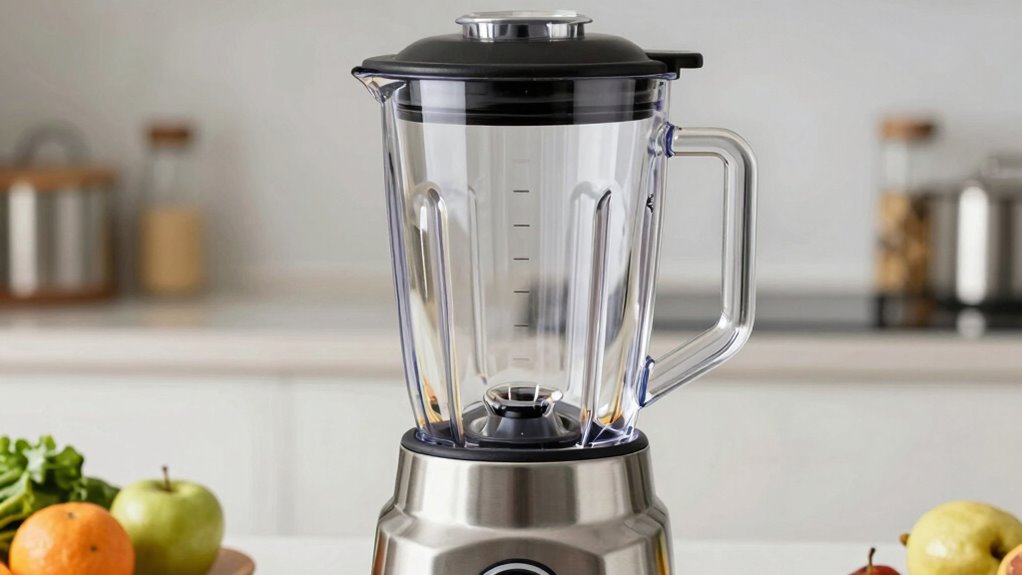
When choosing kitchen appliances, prioritizing food-grade and BPA-free options is vital for your health and safety. These labels aren’t just marketing buzzwords—they reflect important considerations about chemical safety and material durability. Food-grade materials are specifically designed to be safe for contact with consumables, meaning they won’t leach harmful substances into your food. BPA-free labels indicate that the product does not contain bisphenol A, a chemical linked to hormonal disruptions and other health issues. By selecting appliances that are both food-grade and BPA-free, you reduce your exposure to potentially dangerous chemicals, helping to protect your long-term health.
Understanding what these terms really mean helps you make smarter choices. Food-grade materials are tested rigorously to meet safety standards set by health authorities. These materials are usually made from high-quality plastics, stainless steel, or silicone that resist degradation over time. Material durability plays a vital role here; a durable appliance maintains its integrity through regular use, resisting cracks, wear, and leaching. If an appliance isn’t durable, it may break down faster and release chemicals into your food, defeating the purpose of choosing safer options. When you buy kitchen tools and appliances made from durable, food-grade materials, you’re investing in products that last longer and keep your food safe. Additionally, material safety testing ensures that these products meet strict safety standards before reaching consumers. Conducting regular quality control checks on kitchen appliances can further help ensure ongoing safety and durability. Recognizing material composition helps consumers better understand the safety and longevity of their kitchen products.
Chemical safety is a major concern, especially when it comes to plastics and coatings used in kitchen appliances. Some plastics contain additives or stabilizers that can migrate into food, especially when heated. BPA is one of the most well-known culprits, which is why many manufacturers now advertise their products as BPA-free. However, it’s important to look beyond just BPA. Other chemicals, like phthalates and certain dyes, can also pose health risks. That’s why choosing appliances labeled as food-grade ensures they meet strict safety standards, reducing your risk of exposure to these harmful substances. An understanding of chemical migration helps consumers better evaluate the safety of their kitchen tools.
Material durability also influences your overall safety and satisfaction. An appliance made from high-quality, food-grade materials will withstand daily use without degrading or leaching chemicals. This durability not only prolongs the lifespan of your investment but also ensures that your food remains uncontaminated. When you’re shopping, pay attention to the construction and material specifications. Opt for products with strong, well-finished surfaces and reputable brands known for safety and longevity. In the end, prioritizing chemical safety and material durability isn’t just about compliance—it’s about consciously choosing appliances that serve your health and stand the test of time.

Rubbermaid EasyStore Large Containers, 18-Piece Set, Food Storage Containers with Lids
- Neatly Stacks for Organization: Easy stacking for storage and use
- Sturdy Ridged Lids: Secure stacking in fridge and pantry
- Extended Lip Handle: Easy to carry and handle
As an affiliate, we earn on qualifying purchases.
As an affiliate, we earn on qualifying purchases.
Frequently Asked Questions
Are Bpa-Free Plastics Completely Safe for All Uses?
BPA-free plastics aren’t completely safe for all uses because they can still have environmental impacts and may contain other potentially harmful chemicals. Manufacturing standards vary, so some BPA-free plastics might leach substances over time, especially when heated. You should consider the specific product, how you use it, and the environmental effects. Always look for reputable brands that follow strict safety and manufacturing standards to guarantee better safety.
How Can I Verify if a Product Is Truly Food-Grade?
To verify if a product is truly food-grade, check its certification standards from reputable organizations like the FDA or NSF. Look for labels indicating compliance with safety regulations. Also, review the material composition—food-grade products typically use non-toxic, safe plastics or metals. Manufacturers often list this information on packaging or websites. Ensuring these certifications and transparent material details gives you confidence that the product is safe for food contact.
Do Bpa-Free Products Last Longer Than Non-Bpa Alternatives?
BPA-free products don’t necessarily last longer than non-BPA alternatives because their chemical stability varies. While they’re designed to be safer and reduce environmental impact, their durability depends on material quality. Some BPA-free plastics may degrade faster under heat or wear, but overall, high-quality BPA-free items can match or exceed the longevity of non-BPA options. Focus on product quality to guarantee both safety and durability.
Are There Any Hidden Chemicals in “Food-Grade” Plastics?
Food-grade plastics are generally safer, but some hidden chemicals can still leach over time, especially with heat or wear. You might not see these chemicals, but they can cause chemical leaching, which could impact your health. Plus, some plastics have environmental impacts when discarded, as they may contain additives that persist in ecosystems. Always follow usage instructions to minimize risks and reduce environmental impact.
Can Bpa-Free Materials Withstand High-Temperature Dishwasher Cycles?
BPA-free materials often boast bold, brave heat resistance, but their durability during dishwasher cycles varies. You should scrutinize specific plastics’ heat endurance because not all plastics can withstand high temperatures without warping or breaking down. While some BPA-free, food-grade plastics are designed for durability, many are better suited for hand washing. Always check manufacturer guidelines to guarantee your plastics can withstand the high-heat harshness of dishwasher cycles.

MMmat Best German Silicone Baking Mat – Half Sheet Baking Mat, Set of 2
- Premium German Silicone: Food-grade, BPA and PFOA free
- Non-Stick Surface: Effortless food release without oil or parchment
- Thick and Durable: 0.75mm thickness for longevity
As an affiliate, we earn on qualifying purchases.
As an affiliate, we earn on qualifying purchases.
Conclusion
Understanding what “BPA-free” and “food-grade” truly mean helps you make safer, smarter choices in your kitchen. It’s about knowing the materials, trusting the labels, and prioritizing your health. It’s about reading labels carefully, questioning claims critically, and choosing products wisely. It’s about safeguarding your family’s well-being, protecting your environment, and supporting ethical manufacturing. In the end, it’s about making informed decisions, embracing transparency, and ensuring safety—because your kitchen deserves nothing less.

Owala FreeSip Stainless Steel Water Bottle 40 oz Very, Very Dark
- Capacity: 40 oz insulated stainless steel
- Spout Design: Patented FreeSip spout for sipping or tilting
- Lid Features: Push-to-open lid with lock and carry loop
As an affiliate, we earn on qualifying purchases.
As an affiliate, we earn on qualifying purchases.

Canfanni 40 Piece Food Storage Containers with Lids, BPA-Free
- Complete Food Storage Set: Includes 20 containers, 20 lids, labels, and marker
- Variety of Container Sizes: Multiple shapes and sizes for versatile storage
- BPA-Free and Food Grade: Made from durable, transparent, food-safe plastic
As an affiliate, we earn on qualifying purchases.
As an affiliate, we earn on qualifying purchases.