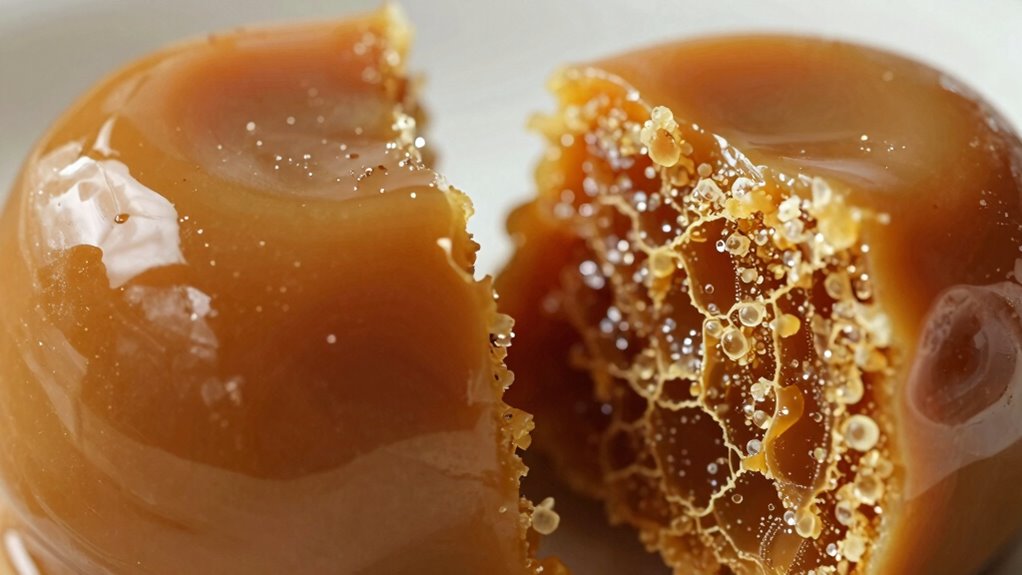
Lurking within sugar’s heating process is the key to mastering chewy versus crispy confections—discover how temperature and ingredients shape your perfect treat.
Browsing Category
Kitchen Science
63 posts
Why Acid, Salt, and Fat Change Flavor More Than Extra Seasoning
Ineffective seasoning alone can’t replicate the profound flavor shifts achieved through acid, salt, and fat—discover how they transform your cooking.
The Surface Area Rule That Explains Why Some Chops Taste Better Than Others
Optimize your pork chops’ flavor by understanding the surface area rule—discover how technique and preparation can elevate taste and tenderness.
Why Frozen Food Often Browns Unevenly
Many factors like poor packaging and freezing methods cause uneven browning in frozen food, and understanding these can help improve your cooking results.
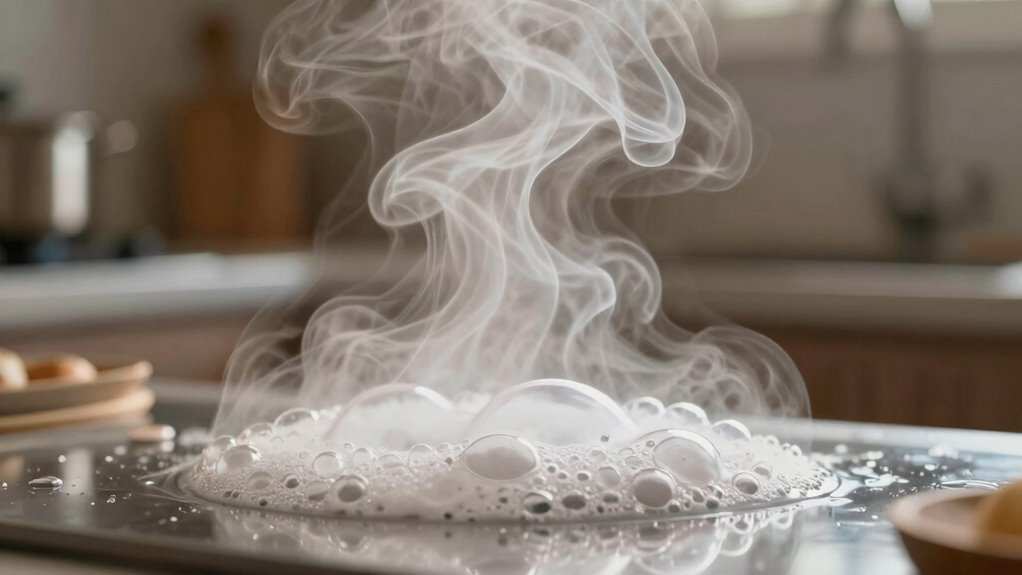
The Bubble, Steam, and Airflow Science That Changes Countertop Cooking
In countertop cooking, bubbles, steam, and airflow work together to create faster,…
Why Food Sticks Less When Heat Is Managed Correctly
Heat management prevents food from sticking by ensuring even cooking and proper surface conditions, but there’s more to perfect non-stick results than just temperature control.
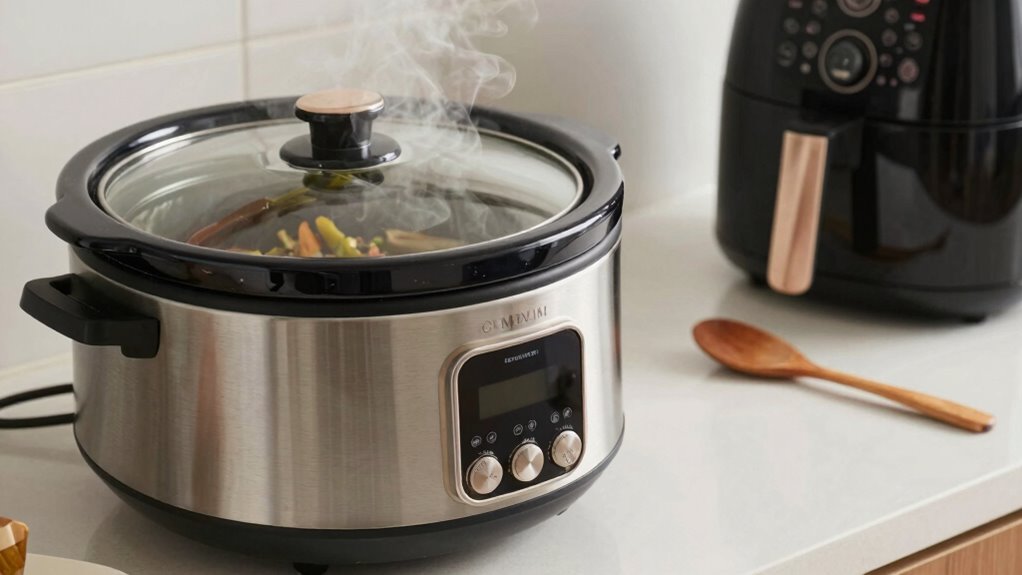
Why Carryover Cooking Matters More in Small Appliances Than Expected
Lingered heat in small appliances can unexpectedly overcook or compromise safety, making understanding carryover cooking essential for perfect results.
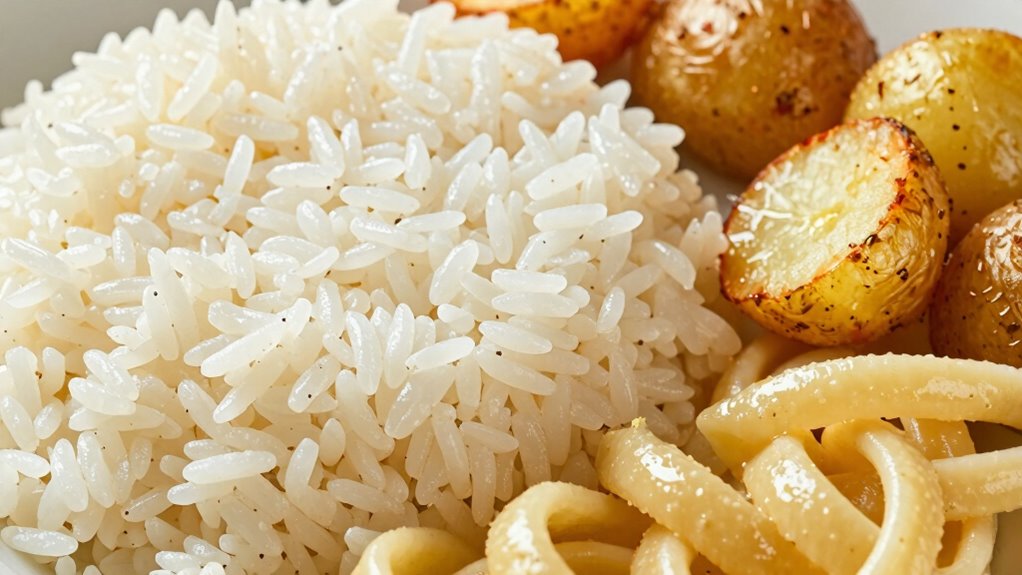
The Starch Rule That Changes Rice, Potatoes, and Pasta Texture
A simple cooking and cooling method transforms rice, potatoes, and pasta textures by increasing resistant starch, offering potential health benefits worth exploring further.
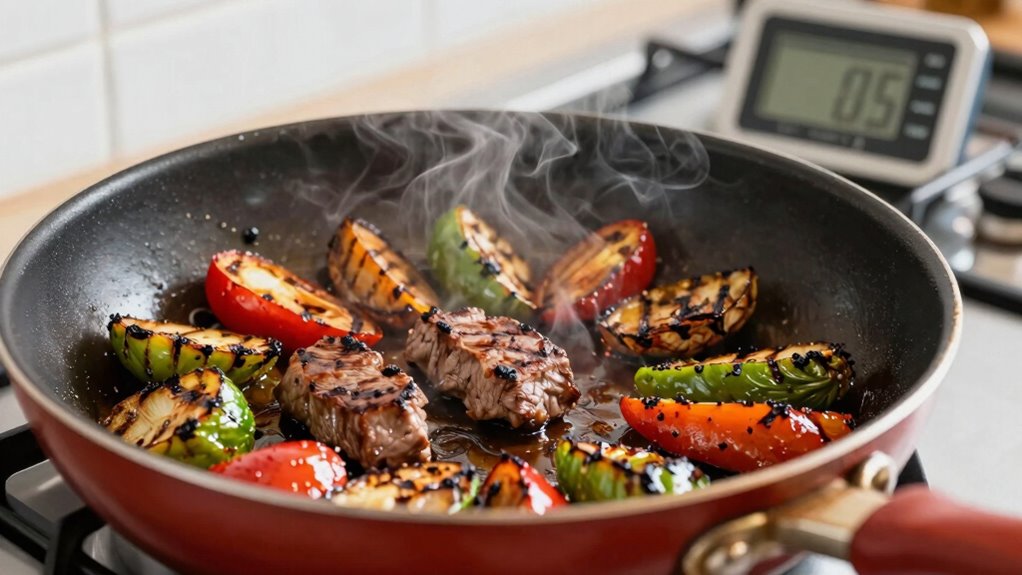
Why Browning Needs More Than High Heat
Browning isn’t just about turning up the heat; it depends on precise…
The Moisture Science Behind Soggy Fries, Wings, and Veggies
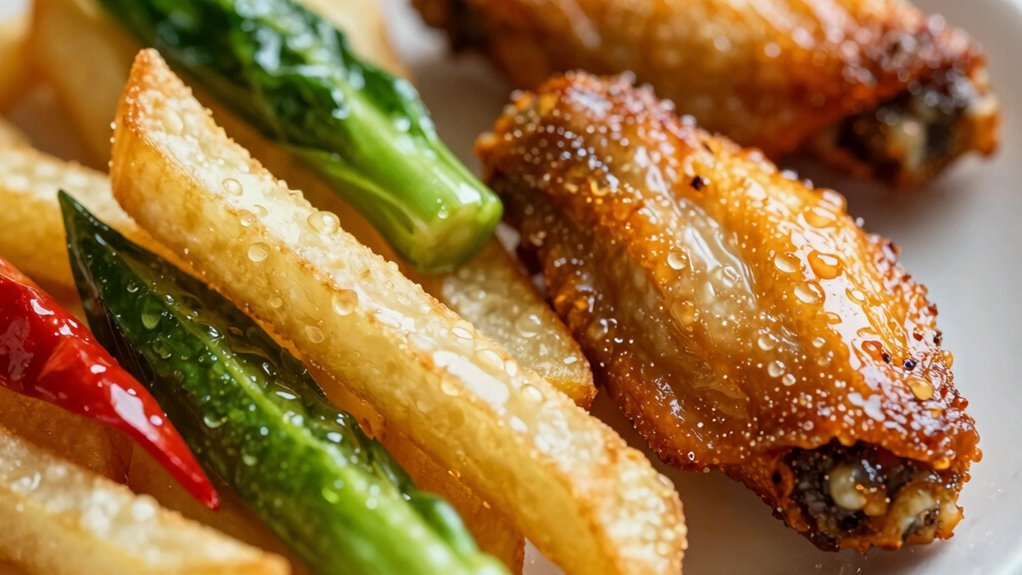
Unlock the science of moisture and discover how it causes soggy fries, wings, and veggies—learning this can help you keep foods crispy longer.